Arsenal’s long road back to Europe’s elite
Arsenal’s 19-year run of Champions League qualification remains one of the most stable streaks in modern football. Yet beneath that achievement were financial and structural challenges that shaped the direction of the club.
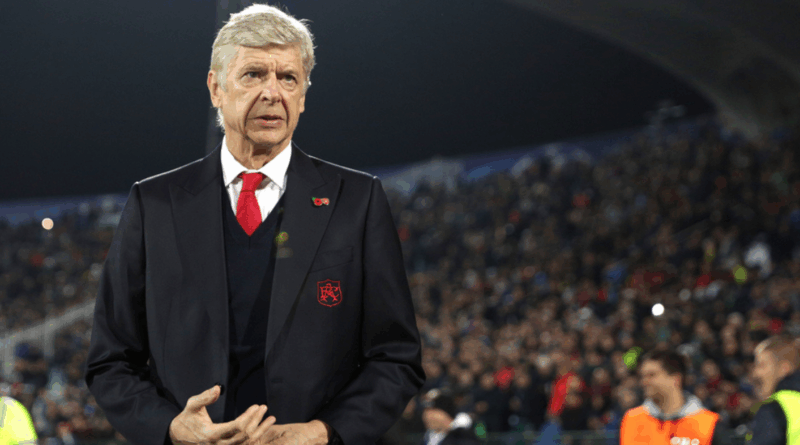
After the move to the Emirates Stadium in 2006, Wenger frequently spoke about the financial limitations that followed. While Europe’s wealthiest clubs expanded their resources, Arsenal were asked to control spending and operate within strict margins.
The effects became increasingly visible. Talented players came through, but keeping them proved difficult. Reinforcements often involved potential rather than proven match-winners.
Heavy defeats to Bayern Munich became symbolic of the widening gap between Arsenal and the continent’s true elite. The team still played attractive football, but the physical demands of high-level European knockout matches often exposed a squad stretched too thin.
Read also: Former Hurricanes bowler faces court in child abuse case
Arteta’s reset
When Mikel Arteta took charge, the shift felt immediate. Arsenal began recruiting players capable of meeting the physical and tactical requirements of the modern Champions League.
The arrivals of Declan Rice, Gabriel Jesus, Ben White and Oleksandr Zinchenko represented a clear pivot toward players already prepared for elite competition rather than long-term development projects.
Arteta’s most significant change, however, has been cultural. Players describe a manager who demands clarity, discipline and accountability. Leadership is now distributed across the squad.
Martin Ødegaard sets the tone as captain, while young core players like Bukayo Saka and William Saliba carry a level of responsibility that reflects both trust and expectation. Arsenal’s football has evolved into a blend of control, resilience and intensity that had been missing in the years defined by financial caution.
Read also: FIFA pushes for wider VAR authority ahead of 2026 World Cup
A new coherence
Previous attempts to rebuild after Wenger’s departure, most notably under Unai Emery, lacked the structural alignment needed for long-term progress. Arteta’s tenure has unfolded differently.
Recruitment, analytics, coaching philosophy and executive decision-making now move in the same direction. The manager operates with a stable platform rather than navigating gaps in planning or identity.
This coherence has changed how Arsenal are viewed across Europe. Opponents no longer see them as a team that plays attractive football without the robustness to compete deep into tournaments. Respect has begun to return, often before trophies follow.
What comes next
Arsenal’s return to the Champions League is important not only for prestige but for the practical advantages it restores. The competition brings revenue, global attention and recruitment strength that were missing during the club’s years outside it.
Read also: Real Madrid close to sacking Alonso after sharp downturn in results
As reported by GIVEMESPORT, the aim is not immediate triumph but the establishment of a team built to compete consistently at the highest level without compromising its identity.
If Arsenal continue on their current trajectory, they will measure success by their ability to challenge for the title, not by how long they stay in the tournament.
Wenger often spoke about his regret that financial limitations prevented him from building a squad capable of fulfilling his European ambitions. Nearly a decade after his departure, Arteta is attempting to complete that unfinished work with tools and structure Wenger seldom enjoyed.
Arsenal may not be conquering Europe yet, but for the first time in years they are preparing as though they expect to.
Read also: Trump linked to surprise FIFA peace prize ahead of draw
Sources: GIVEMESPORT
Read also: Man United’s summer attempt to sign Gallagher blocked, but situation now shifting