As the Premier League pauses for an extended three-week international break, a familiar tension hangs over several dugouts. For struggling managers, this hiatus, stretching longer than usual, presents both a reprieve and an intensified period of scrutiny just weeks into the new season.
The current landscape, as of September 20, 2026, already shows the brutal nature of the job, with three coaches having lost their positions in the lower leagues: Paul Heckingbottom at Preston North End, Michael Duff at Wycombe Wanderers, and Luke Williams at Peterborough. While Premier League clubs typically show more patience in the early stages, several top-flight bosses are feeling the heat.
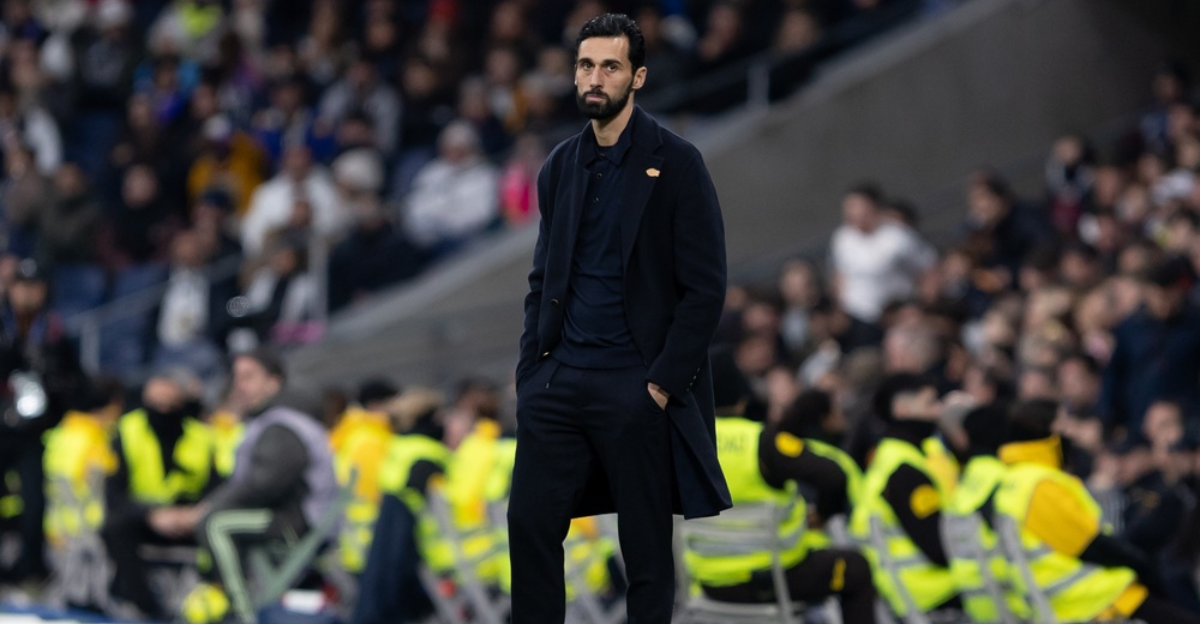
Arbeloa’s tough start at Fulham
Alvaro Arbeloa, appointed Fulham’s manager in the summer of 2026, finds himself under immediate pressure. His tenure has begun with no wins and three defeats in his first four Premier League matches, a stark contrast to his 28-game stint managing Real Madrid in the latter half of the 2025-26 season, as reported by BBC Sport‘s Nizaar Kinsella.
Further north, Michael Carrick’s Manchester United are also enduring a difficult spell. Their recent 3-2 EFL Cup defeat to Brighton on Wednesday was particularly galling, marking the first time since 1976 that United had led at home by two goals at home and gone on to lose. Their only victories this season have come against Ipswich Town and Sabah. Despite the mounting pressure, Carrick dismissed suggestions that an upcoming trip to Fulham would be ‘make or break’ for his job, calling the notion ‘ridiculous’, according to BBC Sport’s Simon Stone.
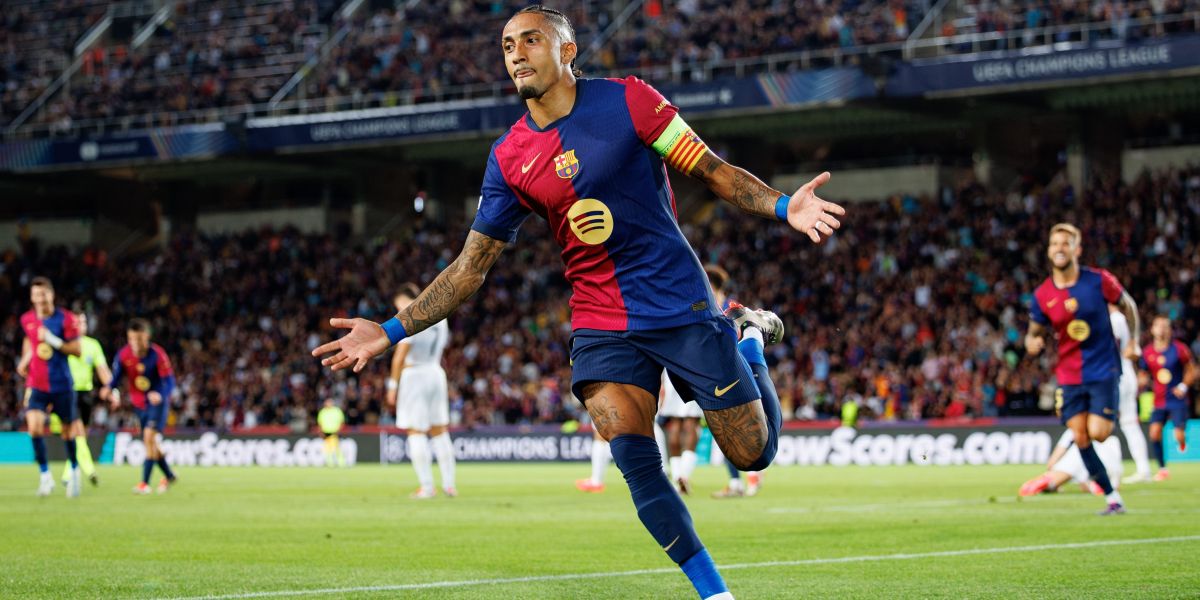
Read also: Raphinha's hat-trick fires Barcelona to the top of La Liga
Historical trends and expert opinion
Historically, the September international break has rarely been a trigger for Premier League sackings. In the past decade, only Javi Gracia (Watford, 2019) and Nuno Espirito Santo (Nottingham Forest, 2025) were replaced during this period. The October break saw Francesco Guidolin (Swansea, 2016) and Xisco Munoz (Watford, 2021) depart. Managerial changes become significantly more common in the November international break, with six bosses replaced in the last 10 years. Overall, nine coaches had lost their jobs by the time the second international break occurred in the past 10 campaigns.
Former Stoke, West Brom, and Middlesbrough boss Tony Pulis offered his perspective on the timing of such breaks. “Whether your team is winning or losing, on both accounts, it’s a nightmare,” Pulis stated. “If you’re winning you want to keep playing, and yet if you’ve started badly as a manager you want more time to put it right. Players travelling and the chance of injuries at such an early stage of the season is completely bonkers in my opinion.” Pulis, speaking to BBC Sport’s Dale Johnson, added, “I don’t see this September break as a flashing light, it is too early in the season, but from then on in, the dates I have mentioned really do come into play.”
Other Premier League managers are also under the microscope. Roberto de Zerbi’s Tottenham has no wins from five games this season, despite spending approximately £300 million on new talent over the summer, as reported by BBC Sport’s Sami Mokbel. Crystal Palace manager Pierre Sage has secured only one league win so far, though his side did achieve a convincing 4-0 victory against Lech Poznan in the Europa League on Thursday, also noted by Mokbel.
In the Championship, Nicky Hayen, who quit Genk to manage Burnley, finds his team winless in their first eight matches and rock-bottom of the league after a stoppage-time equaliser from Derby left them with a 1-1 draw. Burnley had started the season as third favourites for promotion, behind West Ham and Wolves. Alessio Dionisi, Watford’s 27th permanent manager in just under 18 years, has managed only two wins from his first eight league games, leaving the club in 19th position, three points above the drop zone.
Read also: Matthew Brennan calls for independent cycling safety body after Fin Tarling's death
This extended international break will test the resolve of club boards, determining whether the traditional patience for early-season struggles will hold, or if the extra time allows for a quicker, decisive change.
Read also: Zinedine Zidane ushers in new media era for France national team