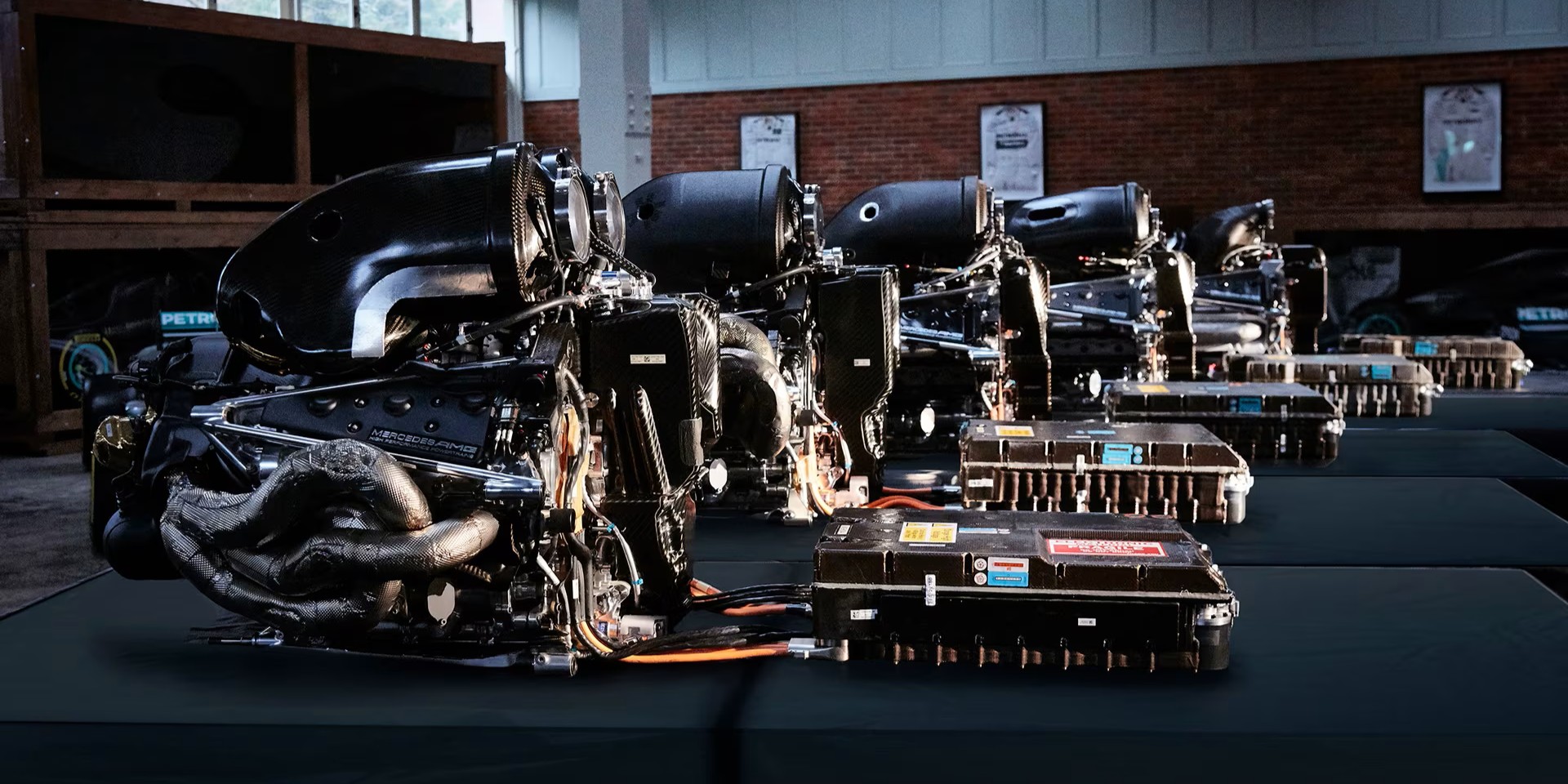
Formula 1 is poised to make a significant decision on its engine regulations for the 2031 season, with strong indications pointing towards a turbocharged V8 power unit that will feature significantly fewer electrical components than the current complex hybrid systems.
The finalization of these rules is expected before the summer, setting a new direction for the pinnacle of motorsport.
According to reports from AMUS (Auto Motor und Sport), cited by the instagram account GrandPrix, the consensus within the sport is gravitating towards a combination of a turbocharged V8 engine, integrated with an MGU-K (Motor Generator Unit – Kinetic), and powered by sustainable fuel.
This proposed architecture represents a notable departure from the intricate hybrid units that have defined the sport’s power landscape for the past decade, aiming for a balance between traditional engine appeal and modern environmental responsibility.
Read also: Hakimi ruled out of Bayern return leg, faces weeks out with World Cup in doubt
A shift towards simplified power
The most striking element of the impending regulations is the expected reduction in the electrical component of the power unit. While the current engines rely heavily on sophisticated energy recovery systems, the 2031 units are projected to scale back this complexity.
This move could potentially address concerns regarding the cost and development challenges associated with the current highly advanced hybrid technology, while also aiming to re-emphasize the internal combustion engine’s role.
The inclusion of a turbocharged V8 engine, a configuration last seen in F1 in 2013 before the hybrid era began, suggests a desire to blend heritage with contemporary demands.
Coupled with sustainable fuels, the sport aims to maintain its commitment to environmental targets without sacrificing the distinctive sound and power delivery often associated with V8 engines.
Read also: WADA announces over 300 sanctions against Russian athletes in "Operation LIMS"
Timeline for a critical decision
The urgency to finalize these regulations is clear, with key stakeholders pushing for a swift resolution. “I think we need to finalize it in the next two or three months. Something concrete has to be on paper by the end of the year,” stated Jan Monchaux, highlighting the tight schedule for the sport’s technical leadership.
This timeline underscores the importance of providing manufacturers with ample time to design, develop, and test new power units ahead of the 2031 season. The decision will not only shape the technical landscape of Formula 1 but also influence potential new entrants and the long-term investment strategies of existing teams and engine suppliers.
As the summer approaches, the motorsport world awaits official confirmation of these regulations, which promise to usher in a new era for Formula 1, balancing performance, sustainability, and potentially a return to a more visceral engine experience.
Sources: www.instagram.com
Read also: Erling Haaland's World Cup commercial controversy in Norway
Read also: Arbeloa addresses Mbappé commitment and Carvajal future ahead of El Clásico