Iran’s participation in the FIFA World Cup 2026, secured more than a year ago, is now clouded by a list of ten demands issued to FIFA and the host nations – the United States, Canada, and Mexico. These demands, which include a controversial ban on Pride rainbow flags, arrive amidst escalating political tensions and military conflict involving Iran, the US, and Israel.
The tournament, scheduled between June 11 and July 19, 2026, faces a significant diplomatic challenge. Tensions heightened after the US and Israel launched strikes on Iran in February, followed by Iranian retaliatory attacks on Israel and US-allied states in the Gulf. A fragile ceasefire is currently in place, but the political fallout continues to affect sporting relations.
Political tensions and visa hurdles
The complexities were underscored when Iranian FA chief Mehdi Taj was denied entry to Canada ahead of last month’s FIFA Congress. Reports, including those from BBC News, indicate Taj was refused entry due to alleged links with Iran’s Islamic Revolutionary Guard Corps (IRGC), an organization designated as a terrorist group in both Canada and the US. Following this incident, Taj “quickly accused Canadian personnel of ‘unacceptable behaviour’ and issued FIFA and the host nations with a list of demands if Iran are to compete,” according to the main article.
Among the key demands, as reported by BBC News, are assurances over the national team’s treatment, respect for the Iranian flag and national anthem, and enhanced security at airports, hotels, and stadiums. Crucially, Iran is also seeking guarantees that all players, coaches, and officials travelling with the team will receive visas, including those who may have completed military service with the IRGC. US Secretary of State Marco Rubio has stated that while Iranian footballers would be welcome, individuals with IRGC links could still face restrictions on entering the United States.
Clash over stadium flags and human rights
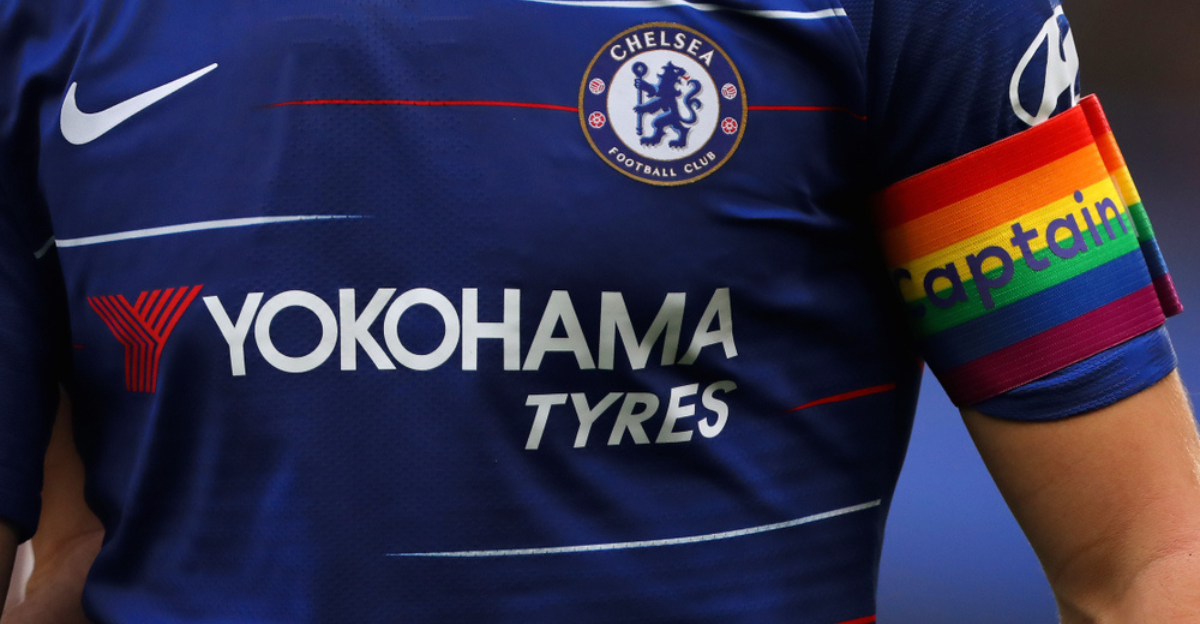
Perhaps the most contentious demand is a “guarantee that only existing national flags be shown within stadiums,” as reported by Out Sports. This stipulation is a direct attempt to prevent the display of Pride rainbow flags, which would put Iran in direct conflict with FIFA’s own World Cup 2026 human rights framework. The issue is further amplified by Iran’s Group G schedule, which includes matches against New Zealand and Belgium in Los Angeles, and a final group fixture against Egypt in Seattle. This particular match against Egypt falls on Seattle’s Pride weekend and has already been designated as a Pride Match.
Iranian officials have reportedly instructed journalists to avoid questions beyond “technical football matters,” suggesting a desire to keep the focus strictly on the sport despite the surrounding political and human rights controversies. While there is currently no indication that Iran intends to withdraw from the tournament, the unresolved demands present a significant hurdle for FIFA and the host nations as they prepare for the global spectacle.
Sources: www.bbc.co.uk, www.outsports.com
Read also: Mbappe's 'fourth striker' claim sparks Arbeloa rebuttal amid Real Madrid tensions
Read also: EFL confirms 'Spygate' hearing for Southampton ahead of Championship play-off final