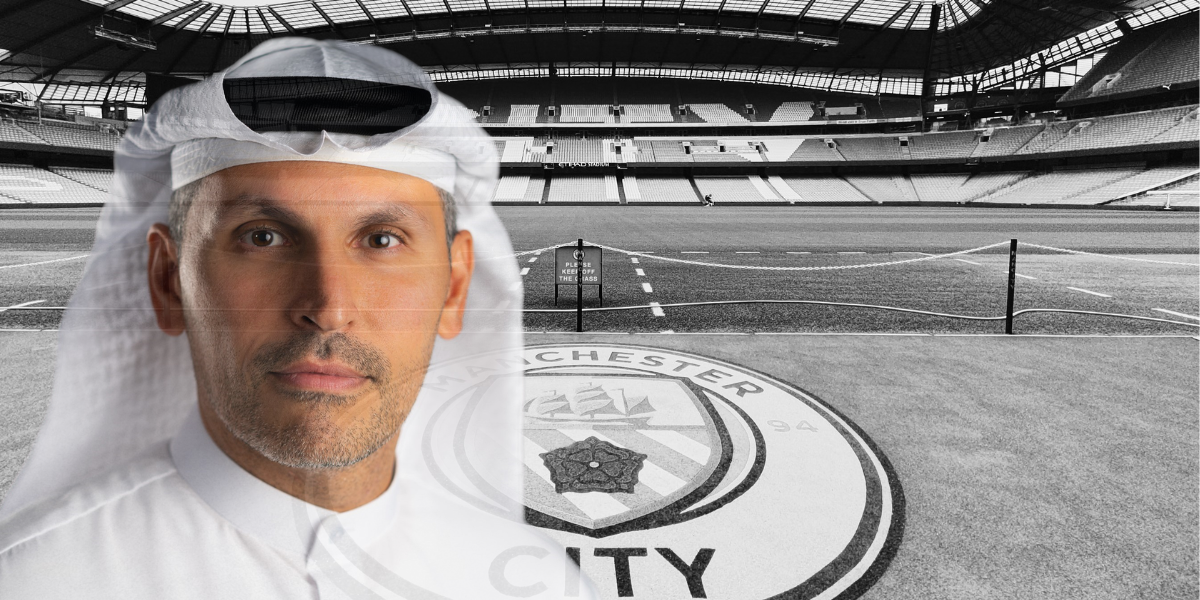
On the UK Foreign Office’s current list of foreign diplomats in London, the name “Mr Khaldoon Khalifa Alshaikhahmad Almubarak, Counsellor (Economic)” is accredited to the United Arab Emirates embassy. He has been there since 2020. He is also the chairman of Manchester City.
That dual role, first reported by the Financial Times and relayed this week, carries a specific legal weight: an accredited diplomat is immune from any criminal proceedings and from most civil action in British courts. The protection flows from Al Mubarak’s roles in Abu Dhabi’s government, where he is CEO of state fund Mubadala and sits on the emirate’s executive council, rather than from his position at the Etihad.
Legal experts cited by the FT noted that there could still be argument over whether specific activities fall under official duties or private affairs. For now, the position is clear enough. As a sitting UK-accredited diplomat, Al Mubarak cannot be prosecuted in Britain, and cannot be sued in most cases, unless the UAE waives the status.
Why the timing matters
The diplomatic file surfaced in the middle of the biggest financial case in Premier League history. On 29 September, an independent commission found City guilty of 114 of 115 charges, concluding the club arranged “sham” contracts with commercial partners to inflate revenues and reduce costs by more than £900m between 2009/10 and 2017/18.
Read also: Juventus call Yildiz ‘too important’ at €100m: Arsenal turn away, Real Madrid move in
City’s appeal deadline is today, Friday 2 October. The club has confirmed it will appeal, arguing the ruling contains material errors of law, principle and fact. Under section W of the Premier League rules, a fresh three-person commission would hear the appeal and reach a decision within 12 weeks of filing. No points deduction, transfer ban or expulsion can be imposed while the appeal is live.
Chief executive Ferran Soriano told staff in an internal video that the entire case is “based on a single false accusation” over whether owner funds were routed through Abu Dhabi sponsors.
What immunity does not change
Diplomatic immunity does not undo the commission’s findings. Those apply to the club, not to any individual, and the Premier League’s own sanction process runs separately from the UK courts. The immunity question matters for routes outside football.
Two have already been floated. The newly empowered Independent Football Regulator has statutory powers to disqualify owners, directors and executives on honesty and integrity grounds. The Serious Fraud Office could investigate any suggestion of deliberate falsification of accounts in breach of UK law. Either route would meet the same obstacle on Al Mubarak personally: a sitting diplomat cannot be prosecuted or, in most cases, sued in Britain unless Abu Dhabi waives the status.
Read also: Michael Olise makes huge Bayern demand that could open door to Real Madrid
Rival clubs are already backing away from expulsion
Any expulsion from the Premier League requires 15 of 20 clubs to vote for it. Two senior top-flight executives told Sky Sports, as reported by Football365, that they would be “staggered” and “amazed” if clubs went that far.
One of the executives described the scenario as a “self-inflicted commercial disaster”.
“If Man City were expelled, that would have massive commercial consequences for everyone in the league, and ultimately it would cost the other clubs an awful lot of money,” he said, pointing to broadcaster refunds, sponsor exposure and the loss of the league’s biggest stars from fixtures.
A separate sanction hearing will be scheduled once the appeal is concluded.
Read also: Tour de France is coming to Wales: Businesses are being told to act now
Read also: Vitinha speaks out after Ronaldo exit with clear message on Jorge Jesus