Why the Nordic federations are stepping back
According to Ukrainska Pravda’s report by Oleh Didukh, which cited Delfi, Erkki Susi, president of the Estonian Swimming Federation, said the Nordic federations had discussed the issue repeatedly and reached a joint position against World Aquatics’ decision. He said the disagreement has also been felt at the European federation level, and that the countries do not intend to host international swimming events in the coming years unless the current situation changes.
Susi said the group is not calling for a boycott of competitions that include Russian and Belarusian athletes. Instead, the line they have drawn is over hosting. The federations involved are Denmark, Estonia, the Faroe Islands, Finland, Iceland, Latvia, Lithuania, Norway and Sweden, which means World Aquatics loses a sizeable group of potential hosts in Northern Europe under the current policy.
What changed at World Aquatics
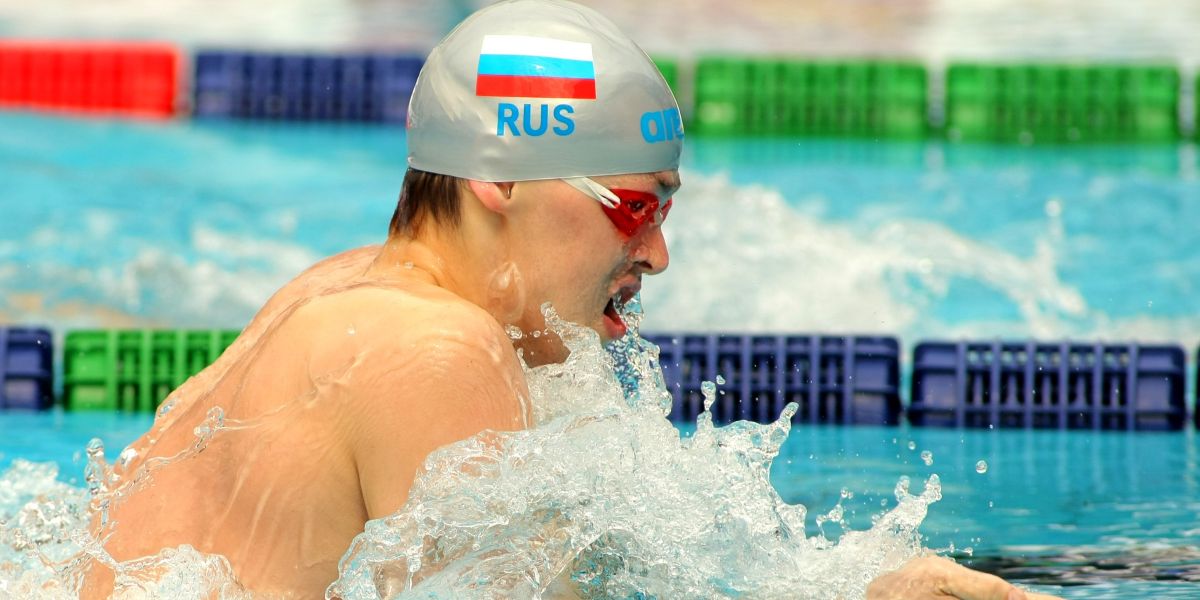
According to World Aquatics’ April 13 announcement, senior athletes from Russia and Belarus can now compete in World Aquatics events in the same way as other national teams, including with their own uniforms, flags and anthems. The federation also restored full membership rights to Russia and Belarus and said athletes from those countries must still pass anti doping controls and background checks before they compete.
The move ended the system that had kept Russian and Belarusian senior athletes under neutral status in aquatics competition. It also shifted the argument from athlete eligibility to event hosting, with the Nordic federations making clear they do not want their countries used as venues while the policy stands.
Read also: Manchester City face new panel that could reopen the 115-charge verdict
How Ukraine responded
According to Ukrainska Pravda’s April 14 report by Oleksii Murzak, Ukraine’s Ministry of Youth and Sports condemned the decision and argued that bringing back Russian and Belarusian national symbols in competition ignores the reality Ukrainian athletes are still living through during the war. Sports Minister Matvii Bidnyi said the move sends a damaging message to the sporting world at a time when Ukrainian athletes continue to train and compete under Russian attacks.
That criticism came after Ukraine refused to play a water polo match against Neutral Athletes B, a team made up of Russian players, and was handed a technical defeat. The World Aquatics decision landed on the same day, making the policy shift even more politically charged for Ukrainian sport.
Where the hosting dispute now stands
The Nordic position does not block World Aquatics from holding events elsewhere, and it does not amount to a competitive boycott. It does, however, create a practical problem for the federation by removing a cluster of established host countries from consideration unless the policy on Russia and Belarus changes again.
Read also: UK Tax-service (HMRC) is coming after Manchester City now