Superliga to speed up the game
The Superliga is preparing for a faster version of Danish football.
Several rules currently being used at the World Cup are on their way to Denmark, with the clear aim of increasing effective playing time and reducing time-wasting.
According to TV 2 Sport’s report on the new Superliga rules, the changes will affect restarts, substitutions and on-field treatment.
The five-second countdown will apply to throw-ins and goal kicks if the referee believes the restart is taking too long or being deliberately delayed. Substituted players must also leave the pitch quickly, while players who receive medical treatment on the field will normally have to stay off for 60 seconds afterwards.
Read also: Phil Taylor comes out of retirement for stunning darts return
According to IFAB’s official explanation of the new measures, the package is designed to “enhance match tempo and reduce time-wasting across the game.”
Frøkjær backs the changes
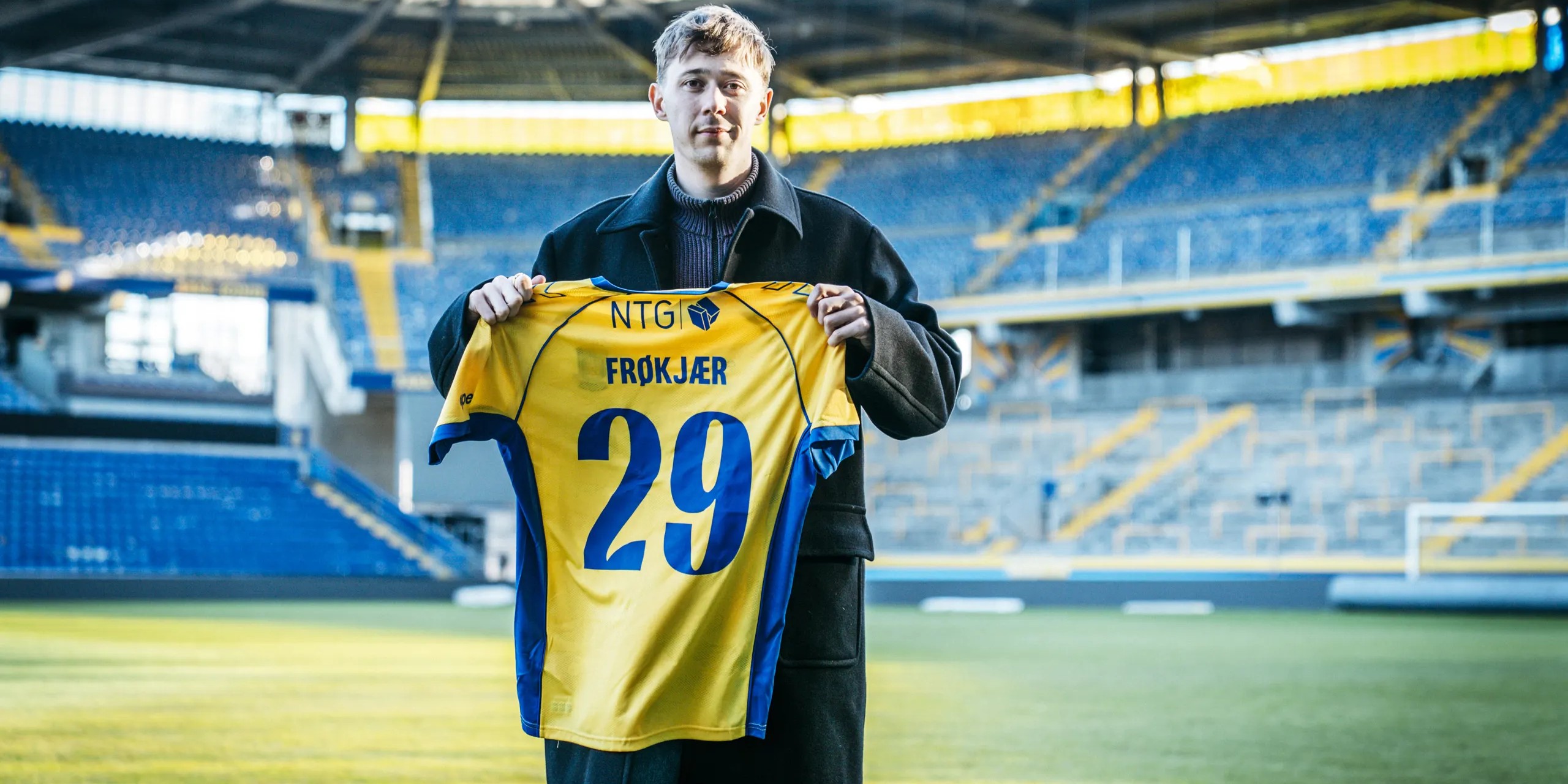
Mads Frøkjær-Jensen is among those who welcome the new direction.
The Brøndby midfielder has previously been highly critical of VAR, but he sees the new time-wasting rules differently.
According to Campo, citing TV 2 Sport, Frøkjær believes the changes could help bring more rhythm and flow to matches.
Read also: ‘If you lie to me, I will leave’: Guardiola’s City warning takes on new weight
“Personally, I feel that everything that helps create more effective playing time is something I am pretty excited about,” he said.
Set pieces still matter, he stressed, but not at the expense of the spectacle.
“Set pieces are hugely important, that has to be acknowledged, but nobody goes to the stadium to watch people throw long throw-ins and take corner kicks 24/7. It is not that romantic and sexy.”
He added: “So everything we can do to get the ball back in play and see footballers with the ball at their feet will benefit the game in the long run.”
Read also: Harry Kane’s Bayern future suddenly comes with a Tottenham escape route
Not all innovation wins him over
Frøkjær’s support for the new rules does not mean he has changed his broader view on football technology.
The Brøndby player has made no secret of his dislike for VAR, and his frustration was clear after last season’s European playoff defeat against FC Copenhagen.
“Fuck VAR,” he said at the time.
That makes his support for the new measures more notable. For Frøkjær, the difference appears to be simple: VAR slows the game down, while the new rules are designed to do the opposite.
Read also: ‘I’m not confident’: Red Bull chief delivers troubling verdict on Verstappen’s car
Brøndby already testing the tempo
Brøndby have already had a chance to work with the rules during their summer friendlies.
The club beat Hvidovre 8-1 and later drew 3-3 with FC Nordsjælland, giving the squad an early feel for how the new rhythm may look in practice.
Before the Superliga returns, Brøndby are scheduled to face OB and then Hibernian in their final warm-up matches.
Their league campaign begins away to defending champions AGF on 25 July, according to the official Superliga fixture list.
Read also: Man City hit back at Premier League with explosive accusation
By then, the new rules will no longer be a World Cup experiment. They will be part of everyday Danish football.
A small change with a big purpose
The changes may sound technical, but the idea behind them is simple.
Football wants less waiting, less time-wasting and more actual play.
For supporters, that should mean fewer long pauses before restarts. For players, it means adapting to a quicker tempo and less room for tactical delays.
The Superliga is not being reinvented, but it is being pushed towards a sharper version of itself.
For a player like Frøkjær, that is the right kind of reform: less interruption, more football.