The Senate passed the bill by unanimous consent on Thursday 19 November, sending the first major rewrite of federal boxing law since the original Muhammad Ali Act of 2000 back to the House of Representatives. The measure, attached as a substitute amendment to H.R. 4624, cleared with no objections and no roll-call vote.
At the center of the legislation is a new legal category called Unified Boxing Organizations. A UBO would be able to sign fighters to exclusive contracts, match them against each other and run its own ranking system. It is the model UFC has used in mixed martial arts for more than two decades, and one US boxing law has never allowed.
A $200-a-round floor and new brain scans
Fighters signed to a UBO would be guaranteed at least $200 for every scheduled round, with first promotional deals capped at three years and subsequent agreements at four. UBOs would have to offer each boxer two matches every 12 months or pay ten times the minimum round rate. A 90-day negotiation window at the end of each contract would let fighters open talks with rivals.
The medical floor also rises. Every licensed boxer would have to clear a physical with bloodwork, eye exams, an EKG and antibody testing, plus MRI brain imaging, with an additional MRA scan required for fighters aged 40 and over. Ringside physicians would have to be certified within two years. Promoters would have to carry at least $50,000 in medical coverage and $15,000 in accidental-death coverage per bout. UBOs that run their own rankings would have to file the voting criteria annually with the Federal Trade Commission and the Association of Boxing Commissions.
Read also: Lothar Matthäus criticises Bayern bosses over public remarks on Jamal Musiala’s contract
Senate Commerce chair Ted Cruz, who co-wrote the amendment with Nevada Democrat Jacky Rosen, kept to his usual register in a joint statement.
“We’re going to make boxing great again.”
Lonnie says yes, Nico says no
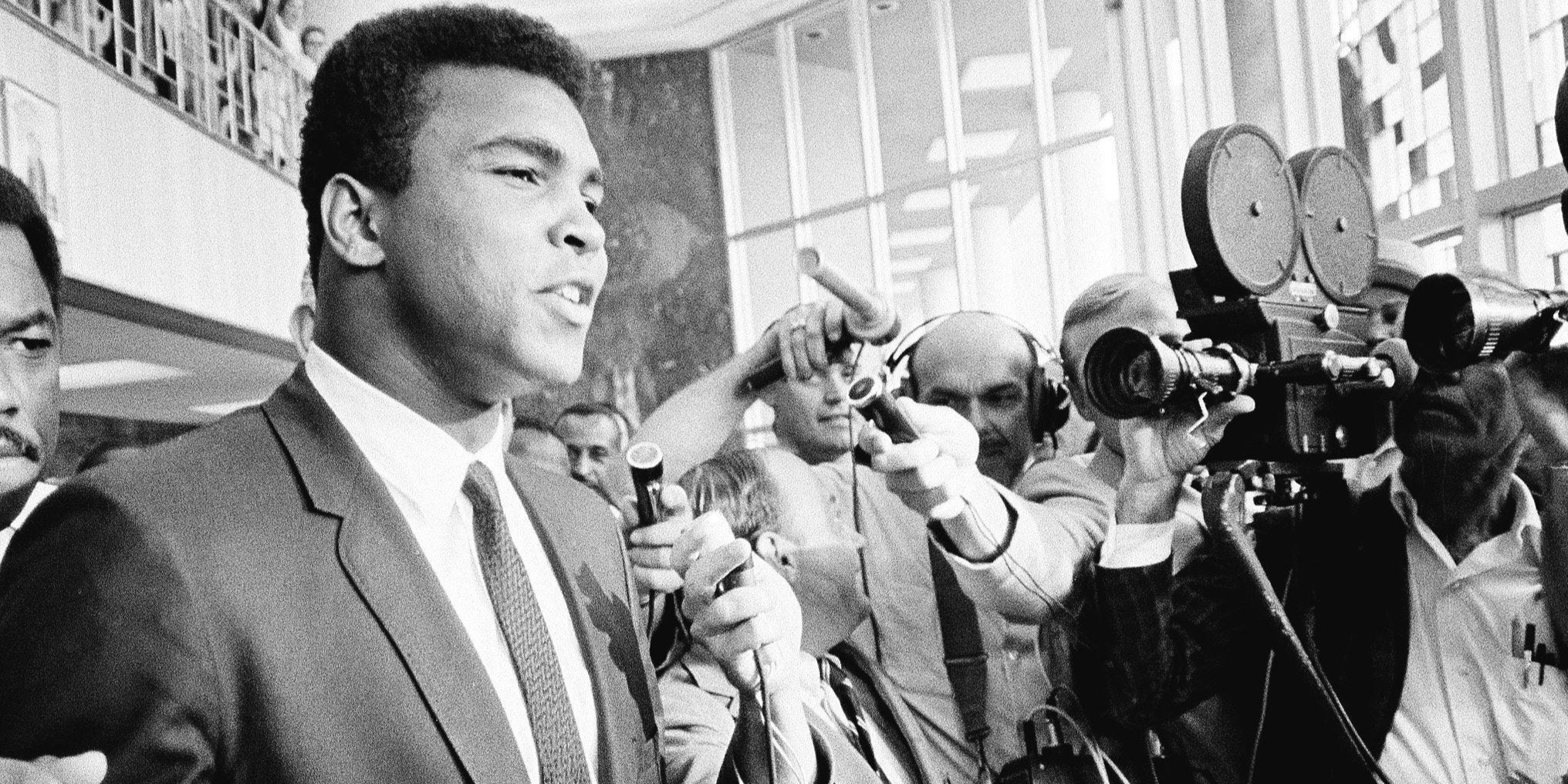
Muhammad Ali’s widow Lonnie Ali backs the bill, saying in a statement released during the Senate push that her late husband would have wanted US boxing to stay strong and viable for future generations.
Her view does not travel through the family. Nico Ali Walsh, Ali’s grandson and an active middleweight, rejected the overhaul on X.
Read also: Arteta blames Arsenal, not Newcastle, as Jaissle’s half-time reshuffle rescues a point
“As an Ali, I’m completely against altering the Muhammad Ali Act. My grandfather fought for it to protect fighters from getting screwed over.”
Established promoters are on the same side of the argument as Ali Walsh. Oscar De La Hoya of Golden Boy told Yahoo Sports the act would “legalize the very conflicts of interest the original Ali Act was written to outlaw,” and Matchroom’s Eddie Hearn and Top Rank’s Bob Arum have opposed the proposal since the House version was introduced. Their common objection is that the UBO structure hands a single corporate owner the kind of control over who fights, when and for how much that the 2000 Ali Act was designed to prevent.
The clearest beneficiary is Zuffa Boxing, the venture Dana White’s TKO Group formed with Saudi-owned Sela. It has already signaled it wants to operate as a UBO once the bill becomes law, running its own roster, titles and rankings.
Combat sports lawyer Erik Magraken told the same outlet the bill strips out the core protections of the original Ali Act and could leave a single promoter in near-total control of the sport. Commentator Luke Thomas was blunter on his show the day after the vote, calling the Senate version a “disaster”.
Read also: What Hansi Flick told Barcelona at halftime before stunning comeback against Villarreal
The House must now vote on the Senate’s amendments before the bill reaches President Trump’s desk. If it is signed, the new rules would take effect in mid-August 2027.
Read also: Denmark’s ‘budget Lamine Yamal’ is making a serious case for a national team call-up