Trump blames a judge for “destroying” the system
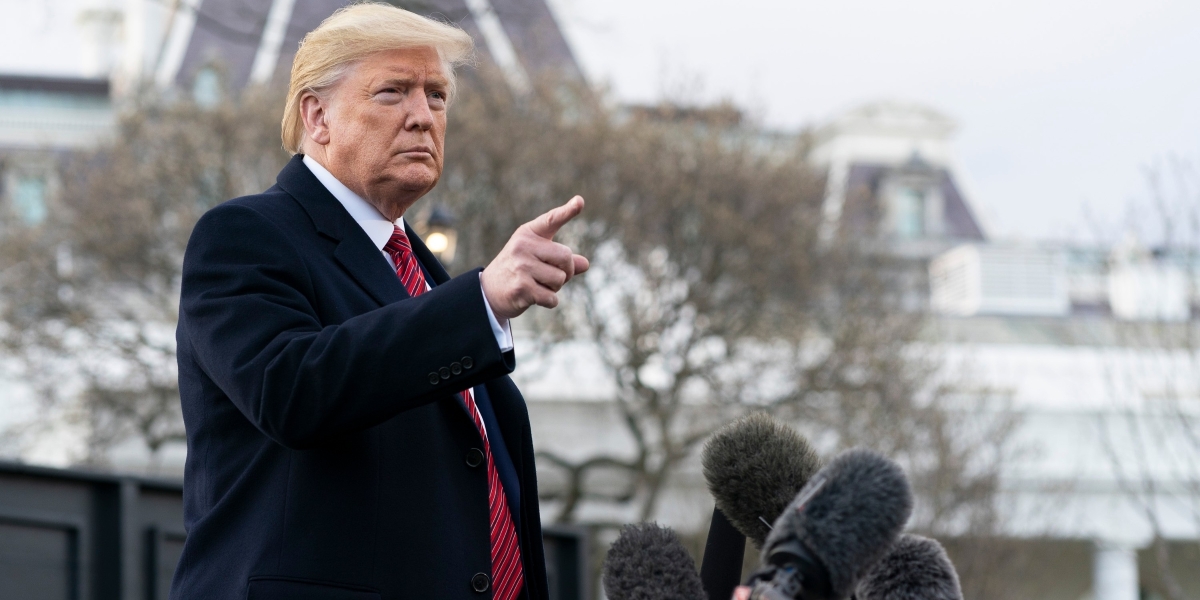
Donald Trump stood in the Oval Office holding a football and reduced one of the most complicated legal battles in American sport to a few explosive sentences. He said a judge had made a “terrible ruling” and “destroyed college sports,” before warning that people were now leaving the NFL to play at universities. In Trump’s words, the movement was supposed to happen in the opposite direction.
The comments, made in a video circulated on September 5 and reported by MEAWW, were not accompanied by the name of the judge or a precise description of the case. The timing, however, leaves little doubt about the dispute occupying the president’s attention. Courts in Louisiana have issued orders allowing players with recent professional experience to challenge NCAA eligibility restrictions and pursue another college season.
The result is a genuinely strange possibility. Players who signed professional contracts, attended NFL training camps or appeared during the preseason could terminate those arrangements, repay their earnings and return to a university roster. For Trump, this is evidence that the boundary between college and professional sport is collapsing. For the athletes, it is the consequence of the NCAA changing its eligibility model after they had already made career decisions under the previous rules.
The disagreement is no longer limited to the NCAA, individual players or the Southeastern Conference. Trump has placed the authority of the federal government behind an effort to restore stricter limits on eligibility, transfers and athlete compensation. His intervention turns a dispute over several roster places into a much larger question: Should the president be able to use federal funding relationships to enforce the rules of college sport?
Read also: FIS tears up winter’s old rhythm: More world championships and Russia’s return
These are not established NFL stars returning to campus
Trump’s description creates the image of established NFL players abandoning professional careers to dominate younger college athletes. The cases are more complicated. Many of the players concerned were undrafted prospects who briefly joined NFL organisations, participated in training camps or preseason games and were then released before securing lasting professional careers.
The underlying dispute emerged after the NCAA introduced an age-based model giving athletes five seasons of competition within a five-year period. Players who began college in 2022 argued that they had been unfairly excluded from the benefit of the new system. Some had already pursued professional opportunities because, under the rules they knew at the time, their college eligibility appeared to be exhausted.
A Louisiana judge initially granted temporary protection to a group that included 16 football players. According to Front Office Sports’ detailed account of the ruling, the order prevented the NCAA from excluding those plaintiffs merely because they had signed professional or agent contracts or appeared in a professional event. They would have to end those contracts and return any money before playing at college level.
That is still a radical challenge to the traditional separation between college and professional sport, but it is not quite the mass reverse migration suggested by Trump’s remarks. These are not NFL veterans returning after years in the league. They are largely players caught between a changing NCAA rulebook, short-lived professional opportunities and court decisions questioning whether the governing body has applied its eligibility limits fairly.
Read also: Leclerc into the Parabolica barriers on lap 2 as Ferrari's home race unravels at Monza
LSU became the centre of the rebellion
The controversy intensified when LSU pursued former professional signees for its football roster. Dae’Quan Wright and Zxavian Harris, who had spent time with NFL organisations after previously playing college football, became prominent examples of athletes seeking an additional season. The SEC opposed their return and adopted potential sanctions against member universities using players who had signed professional contracts.
On September 3, East Baton Rouge Parish Judge William Jorden issued a preliminary injunction that strengthened the players’ position. The ruling cleared a path for LSU to list former NFL players on its roster, although their eligibility for every game remained uncertain. As Associated Press described the case, the SEC argued that allowing former professionals back would undermine competitive fairness and the traditional identity of college athletics.
The athletes’ legal argument is different. They contend that they should not lose access to a fifth college season merely because the NCAA failed to extend its new eligibility structure to their class at the appropriate time. Some testified that they would not have signed professional agreements if they had known another university season could become available.
LSU ultimately kept Wright and Harris out of its season-opening team while the legal conflict continued. That caution demonstrates how little certainty the injunction created. A player can win temporary protection from a state court and still face opposition from the NCAA, the conference and future opponents. Universities risk building rosters around athletes whose legal status may change during the season.
Read also: Wirtz in his second Liverpool season: the message and the bold prediction experts are making
Trump’s real weapon is federal money
Trump had already moved to intervene before his latest video. His executive order entitled “Urgent National Action to Save College Sports” was signed on April 3, with its central provisions taking effect on August 1. It seeks a five-year participation limit, prevents professionals from returning to college sport and proposes one transfer with immediate eligibility, plus another after completing a four-year degree.
The most controversial element is the enforcement mechanism. Under the full White House executive order, federal agencies are instructed to consider whether serious violations of applicable college-sports rules should affect a university’s fitness to receive federal grants and contracts. The order specifically includes rules concerning eligibility, transfers, revenue sharing and improper financial activity.
That creates leverage far beyond an NCAA punishment or the loss of a player’s eligibility. Major universities receive federal money for medical research, defence projects, scientific programmes and numerous activities unrelated to their football teams. Trump’s order argues that the financial health of those institutions is important to the federal government and links that relationship to compliance with national college-sports rules.
The order does not automatically remove federal funding whenever an athlete makes an unauthorised transfer or receives a disputed payment. Agencies must act within existing law, and the text repeatedly recognises legal limitations. Even so, it introduces the possibility that a sports-governance violation could become part of a federal assessment involving contracts and grants worth far more than any athletic penalty.
Read also: Alonso's £349m Chelsea lead the Emirates after 77 seconds and still leave with nothing
This is the article’s most consequential angle. Trump is not simply supporting the NCAA’s right to exclude former professionals. He is attempting to connect compliance with privately administered sporting regulations to the federal government’s enormous financial relationship with American universities.
Athlete payments are also in the firing line
The order reaches beyond professional returnees. It directs action against what the White House defines as fraudulent name, image and likeness arrangements, including payments made above fair market value through collectives or similar organisations. Legitimate third-party endorsements remain permitted, but payments tied to an athlete joining or remaining at a particular university can be treated as disguised pay-for-play.
Trump’s administration argues that unrestricted payments and constant transfers have created an unsustainable financial arms race. The White House says major football and basketball programmes are driving universities into debt and placing women’s and Olympic sports at risk. Under that argument, stricter limits on the most profitable sports are necessary to protect the hundreds of thousands of athletes whose programmes do not generate comparable revenue.
Critics see a different struggle. Courts have repeatedly expanded the economic and mobility rights of college athletes after finding that NCAA restrictions went too far. Trump is now backing the institutions, conferences and governing bodies seeking to restore some of that control. Limits presented as protection for smaller sports could also reduce the ability of individual athletes to change universities, negotiate payments or challenge eligibility decisions.
The order additionally tells the attorney general to support meritorious legal challenges against state laws that conflict with national college-sports rules. Rather than accepting the patchwork created by different states and court decisions, the administration wants a single national system. The unresolved legal question is whether the executive branch can create that consistency without Congress passing new legislation.
The people affected were missing from Trump’s room
Trump’s position has received strong backing from major college-sports figures, including NCAA president Charlie Baker, former Alabama coach Nick Saban and commissioners from powerful conferences. They have welcomed federal attention, national standards and greater protection for women’s and Olympic programmes. Baker has nevertheless stressed that permanent stability still requires bipartisan legislation from Congress.
The composition of Trump’s earlier White House roundtable exposed another side of the controversy. University leaders, conference commissioners, television executives, politicians and prominent former coaches attended, but there was no current college athlete and no formal representative from an athlete-led NIL collective. The people whose transfers, income and eligibility would be restricted did not have a direct seat at the table.
As The Washington Post reported, Trump acknowledged during that meeting that his planned intervention would be challenged in court. He also expressed a desire to return to the previous system, even if doing so meant forcing the issue through the judiciary. That admission makes his latest attack on an unnamed judge especially revealing: The courts are not an unexpected obstacle to his plan but the arena in which he always knew the fight would be decided.
The judge did not end college sports, he exposed its power struggle
The Louisiana ruling does not apply automatically to every former professional athlete, and the litigation is not finished. It offers temporary protection to particular plaintiffs while the broader eligibility dispute continues. Trump’s statement that one judge has destroyed college sport therefore goes much further than the current legal position supports.
The president is correct about one part of the controversy. The old border between college and professional athletics has become increasingly difficult to defend. Athletes are paid, represented by agents, transferred between programmes and treated as valuable commercial assets. Court orders allowing recent NFL signees to return make that transformation impossible to ignore.
The deeper argument concerns who should control the new system. The NCAA wants authority over eligibility. Conferences want to protect competitive balance. Athletes want mobility and compensation. State lawmakers want advantages for their universities, while federal politicians want one national framework. Trump has now entered that struggle with the threat of federal financial scrutiny behind him.
His football video makes the dispute sound simple: A judge broke college sport, and the president intends to save it. The reality is more controversial. Trump is asking whether the federal government should be able to pressure universities into following sporting rules that courts and athletes are actively challenging. The answer could determine far more than whether a handful of former NFL hopefuls are allowed back onto a college field.