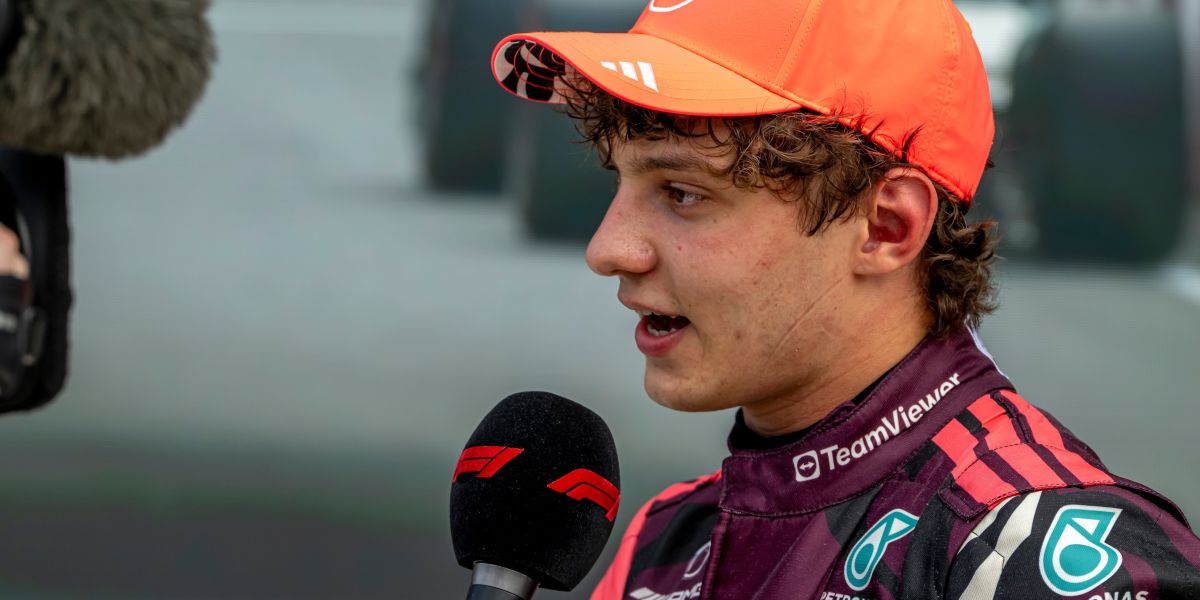
Fourteen rounds in, the 2026 Formula 1 title fight is barely a fight. Antonelli sits on 292 points, and the three drivers behind him wear Mercedes silver or drive Mercedes power. Ferrari, Red Bull and McLaren, the three teams expected to trade the championship, have been reduced to arguing about the podium.
The gap is not a fluke. According to the latest standings, Mercedes hold 503 constructors’ points, 145 clear of Ferrari. A technical and strategic analysis published by The Race this month walks through what each rival got wrong under the new regulations, and it is not one thing. It is many.
Ferrari chose the wrong compromise
Ferrari’s problem started with a bet on chassis over engine. The Scuderia leaned into aerodynamic ambition and traded away power-unit headroom, a choice that has punished them at every circuit where energy management decides the race. The Race frames the central question that the Maranello engineers now have to answer internally: should the team have committed to a bigger turbo from the start?
A second in-season engine upgrade brought to Monza produced no meaningful step forward. Lewis Hamilton has publicly denied reports that he pushed for personnel changes after miscalculations at Zandvoort and Monza, but the fact that the denial had to be issued at all is a signal of the mood inside the team.
Read also: Ferrari announces big Leclerc change ahead of Singapore GP
Red Bull built the wrong strengths
Red Bull are third in the pecking order at best and Max Verstappen is still winless. Laurent Mekies, who took over from Christian Horner in July 2025, inherited a project that had spent too much of 2025 fighting Lando Norris and not enough preparing for a rules reset.
The internal combustion side of the new Red Bull Ford power unit was, by The Race’s account, so strong that the FIA moved to freeze further updates. The Energy Recovery System, the half of the 2026 unit that actually decides races, has not kept pace. On track the car is unhappy over kerbs, hard on its tires and losing performance through a session in ways the engineers cannot fully explain.
Mekies himself warned before the season that Red Bull would be trailing at the start of 2026 as the team absorbed the new engine architecture, a pre-season admission that has aged into an in-season reality.
McLaren shortened when they should have lengthened
McLaren went into 2026 chasing weight savings by shortening the car’s wheelbase, and lost floor area they needed for downforce. Engineering director Neil Houldey has already told The Race that next year’s car will be longer, because a bigger floor gives the aerodynamicists more to work with.
Read also: Reports: Tottenham plotting £125m January move for England midfielder Gibbs-White
The team also relied on a customer engine deal that has left them at a deployment and gear-ratio disadvantage against the works Mercedes package. A flip-flop rear wing built specifically for Monza worked at Monza and nowhere else, which tells its own story about how narrow the McLaren car’s operating window has become.
The smaller teams that overpromised
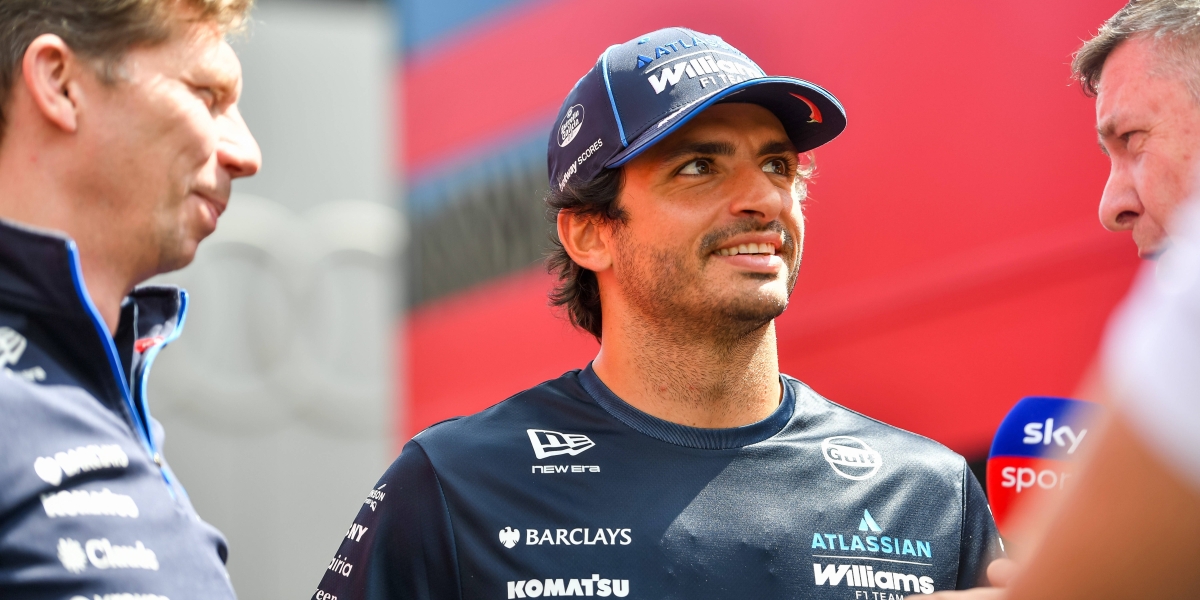
Aston Martin’s expensively assembled Adrian Newey era has started with a car that is heavy, aerodynamically unstable at speed and built on simulation tools that The Race describes as generations behind the front-runners. Williams are in a similar hole. Carlos Sainz has already called it “a wasted year”, a rare on-record verdict from a driver who joined the team expecting a step forward.
The next round is the Azerbaijan Grand Prix in Baku on Saturday 26 September, moved off its traditional Sunday slot for scheduling reasons announced by the promoter.
Read also: Rosberg says Williams 'messed up the winter' and have no way back in 2026
Read also: 'No rivalry justifies this': Juventus condemn their own Curva Sud over the Mazzola tribute