Updated: 12:26, 02-07-2026
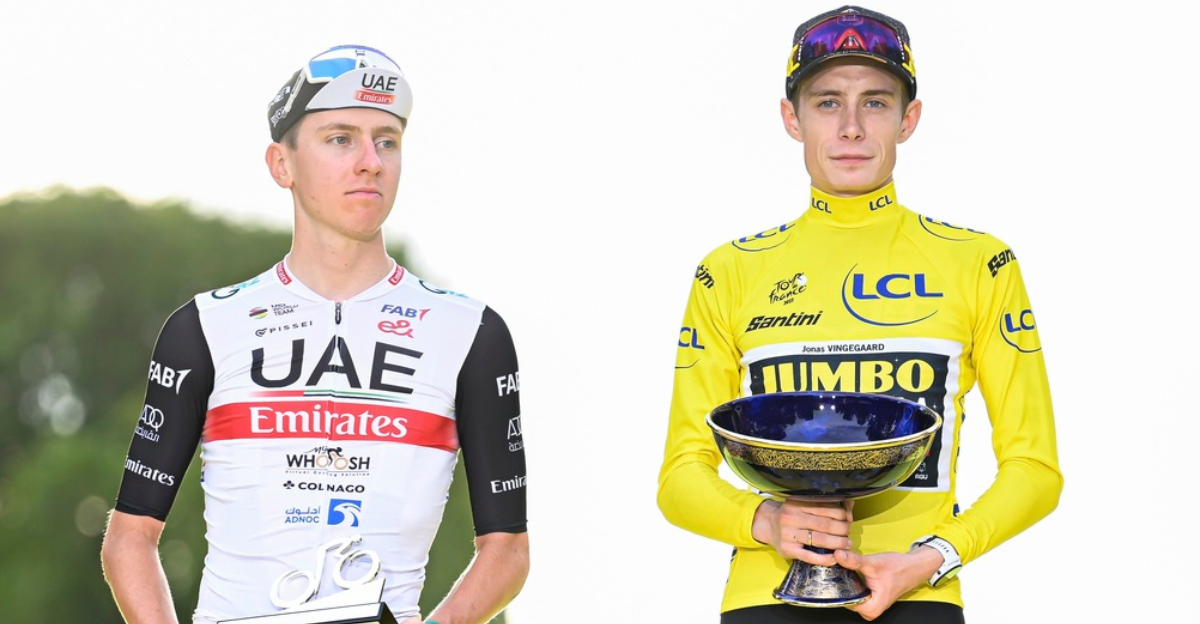
For the sixth consecutive year, the Tour de France is expected to revolve around Tadej Pogacar and Jonas Vingegaard. The pair have dominated cycling’s biggest race like few rivalries before them, but this edition feels different. A new generation is arriving much faster than expected, with Paul Seixas, Isaac del Toro and Florian Lipowitz leading a wave of young contenders eager to challenge the established order. At the same time, proven names such as Remco Evenepoel, Juan Ayuso and Mattias Skjelmose are all searching for the breakthrough performance that could finally move them into genuine Tour-winning conversations. Before the race begins, here are the 15 riders with the strongest claims to leave Paris wearing yellow.
15. Richard Carapaz – EF Education-EasyPost
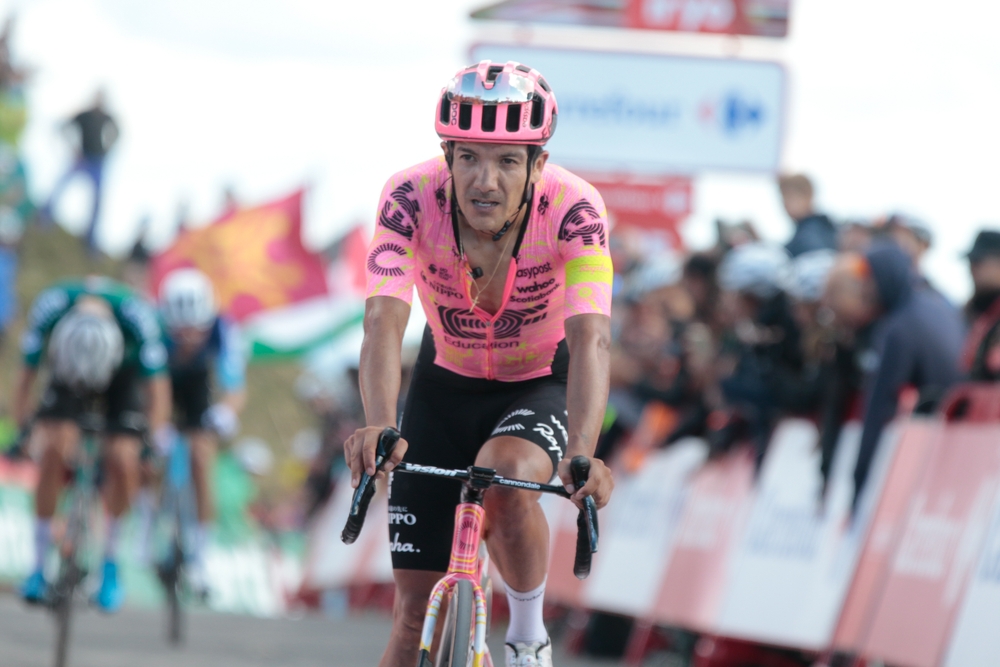
Richard Carapaz may no longer be viewed as one of the overwhelming favourites for Grand Tours, but writing him off completely has always been a dangerous game. The Ecuadorian has built a career on peaking when it matters most, and even though his results outside the three-week races have become increasingly inconsistent, he continues to show flashes of the rider who once conquered the Giro d’Italia, stood on the Tour de France podium and claimed Olympic gold in Tokyo.
The biggest concern is his preparation. Missing the Giro due to surgery disrupted his entire season, and although he returned to racing in Switzerland, the performances were hardly convincing. His second place in the overall standings looked respectable on paper, but it owed much to an early advantage rather than dominant climbing. On the decisive mountain stage, he struggled to distance riders who are unlikely to trouble the Tour’s elite, suggesting he still has significant work to do before reaching his best condition.
Fortunately for Carapaz, his greatest strength has never been early-season sharpness. Throughout his career, he has repeatedly improved as Grand Tours have progressed. Few riders in the peloton possess his ability to recover day after day, and that trademark third-week engine remains one of the strongest in professional cycling. Last year’s Tour provided another reminder when he transformed himself into one of the race’s most aggressive riders, winning a mountain stage and securing the polka-dot jersey after repeatedly finding the right breakaways.
That experience could once again define his Tour. EF Education-EasyPost are unlikely to control the race for the general classification, meaning Carapaz will almost certainly be given freedom once the yellow jersey battle moves beyond his reach. If he limits his early losses and then begins targeting mountain stages, he has the quality to climb back into the overall standings through successful breakaways, much like Ben Healy managed twelve months ago.
Nobody realistically expects Carapaz to challenge Pogacar or Vingegaard anymore, but that is not necessarily the benchmark for success. A stage victory, another mountains classification and perhaps even a return to the top 10 would represent an outstanding Tour for the 33-year-old. His best years may be behind him, but his ability to seize opportunities remains as dangerous as ever.
14. Matteo Jorgenson – Visma | Lease a Bike
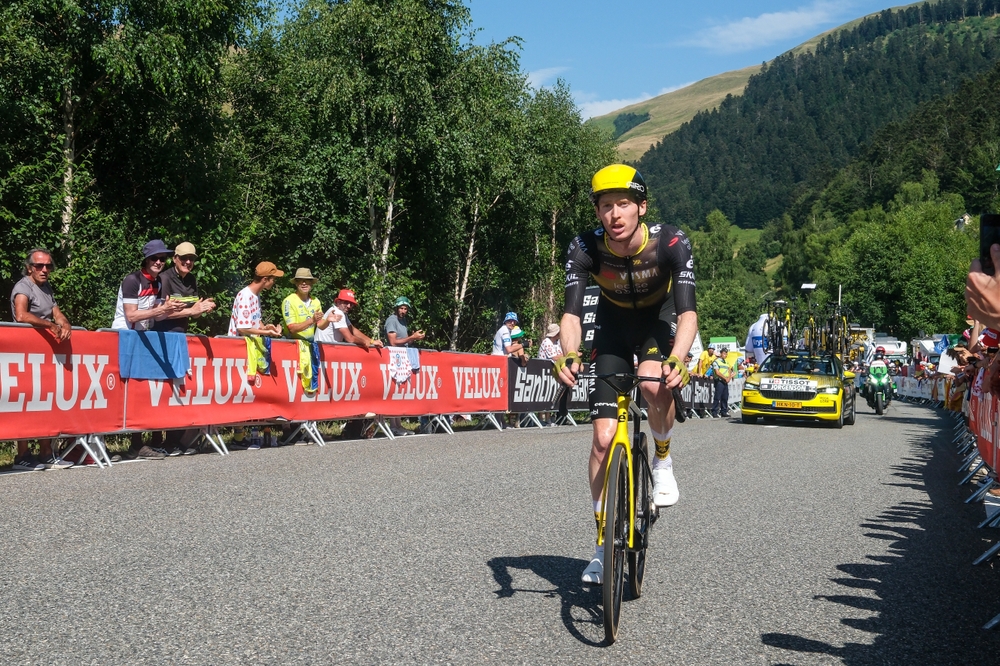
Few riders in modern cycling are as versatile as Matteo Jorgenson. While most Grand Tour contenders focus exclusively on climbing, the American has shown he can compete on cobbles, punchy classics and mountainous stage races alike. That rare skill set makes him one of Visma’s most valuable riders, even if it also raises questions about whether he can ever specialise enough to become a genuine Grand Tour winner.
Last season offered encouraging signs. Jorgenson finished eighth overall in the Tour despite sacrificing much of his own race to support Jonas Vingegaard, proving that he possesses the endurance required to survive three demanding weeks. His spring this year was arguably even stronger, with excellent performances across a variety of terrain suggesting he had taken another significant step forward.
The warning signs arrived in Auvergne. Against Isaac del Toro, Florian Lipowitz and Juan Ayuso, Jorgenson looked increasingly uncomfortable once the gradients became steeper and the mountain stages grew longer. While he remained competitive on explosive climbs, the decisive summit finishes exposed a limitation that has followed him throughout his career. He is undoubtedly an exceptional all-round cyclist, but perhaps not quite an elite pure climber.
That reality does not necessarily damage his Tour prospects. The route this year contains fewer marathon mountain stages than many previous editions, and several summit finishes favour riders with punch rather than endless diesel power. That plays directly into Jorgenson’s strengths and increases his chances of remaining alongside the best riders deeper into the race.
His primary responsibility, however, will always be Jonas Vingegaard. Visma rely heavily on Jorgenson as the Dane’s final mountain lieutenant, particularly given the team’s comparatively weaker climbing squad this year. If Vingegaard comes under pressure from UAE, Jorgenson’s own ambitions will inevitably become secondary.
Even so, history suggests that elite domestiques can still finish high on general classification. Adam Yates, João Almeida and others have demonstrated exactly that in recent Tours. Should Jorgenson remain protected during the opening week, another top-10 finish looks well within reach, even if the podium still appears a bridge too far.
13. Matthew Riccitello – Decathlon CMA CGM Team
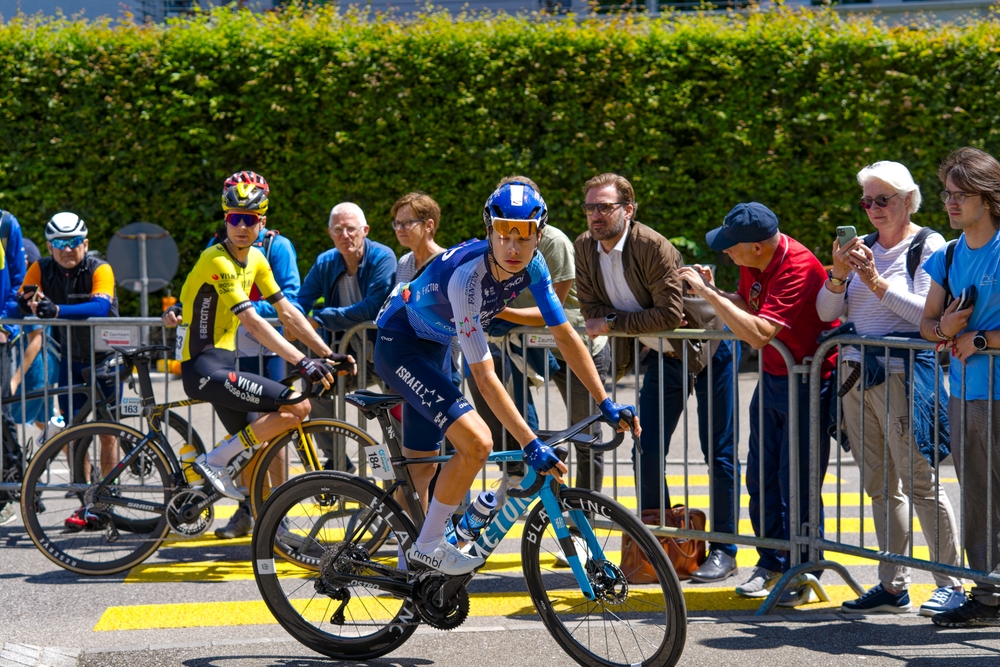
Matthew Riccitello’s appearance at this year’s Tour is largely the result of Paul Seixas’ astonishing rise. At the beginning of the season, Decathlon’s plans looked completely different. Riccitello was expected to lead the team’s Vuelta ambitions while Seixas gained valuable experience later in the year. Instead, the French teenager developed so quickly that the entire programme had to be rewritten.
That change leaves Riccitello in an unusual position. Officially, he arrives as Seixas’ mountain lieutenant, yet his own ability means he could easily become far more than simply another domestique. Decathlon know that placing all of their hopes on a 19-year-old carries enormous risk, so maintaining Riccitello within striking distance on general classification provides valuable insurance if circumstances change.
His credentials should not be underestimated. Riccitello has been regarded as one of America’s brightest climbing talents for several years, and his fifth-place finish in last season’s Vuelta confirmed that he possesses genuine Grand Tour quality. Even before that breakthrough, he had already impressed with outstanding performances in races such as the Tour de l’Avenir and Tour de Suisse, repeatedly demonstrating that he thrives once races become longer and harder.
Consistency, though, remains his greatest obstacle. Few riders fluctuate as dramatically between races. His spring campaign never truly caught fire, and illness interrupted his preparations just as he appeared ready to find his best condition. As a result, he arrives at the Tour without having produced the kind of standout climbing display many expected earlier in the year.
The route could help him recover that missing form. With the hardest mountain stages concentrated in the latter part of the race, Riccitello has valuable time to ride himself into peak condition. If that happens, Decathlon may suddenly find themselves with two riders capable of finishing comfortably inside the top 10.
Even if Seixas fulfils expectations, Riccitello could quietly become one of the revelations of this Tour. His role should allow him enough freedom to protect his own position while supporting his young leader, making him one of the most intriguing outsiders in the entire field.
12. Mattias Skjelmose – Lidl-Trek
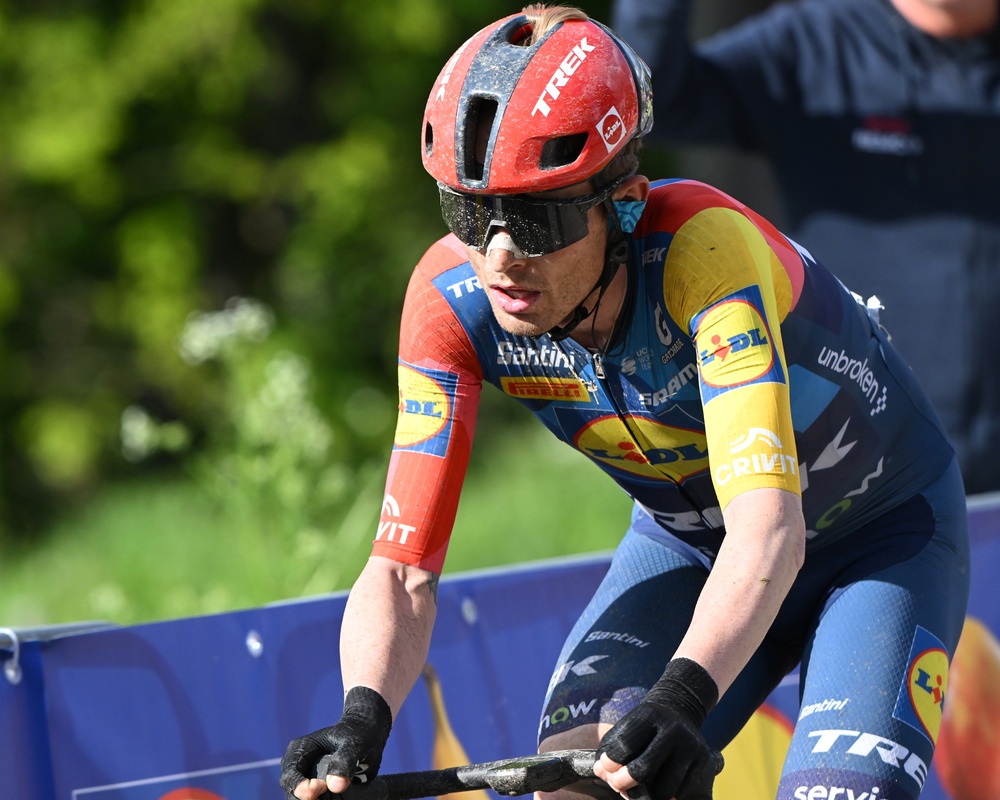
Mattias Skjelmose has spent much of his career balancing two different identities. On one hand, he is clearly among the world’s finest riders on hilly classics, capable of matching almost anyone outside Tadej Pogacar in races like Amstel Gold Race and Flèche Wallonne. On the other, he has never hidden his desire to become a genuine Grand Tour contender.
That ambition became more complicated over the winter when Lidl-Trek recruited Juan Ayuso. Suddenly, Skjelmose was no longer the team’s undisputed stage-race leader. Ayuso became the primary Tour captain, while Skjelmose found himself preparing for a supporting role, despite continuing to harbour ambitions of his own.
Recent performances have reopened that conversation. His climbing in Auvergne suggested he may have reached a new level, convincing Lidl-Trek that protecting his general classification could prove worthwhile. Rather than sacrificing everything for Ayuso immediately, Skjelmose is expected to ride his own race for as long as possible before team tactics demand otherwise.
The route certainly works in his favour. Unlike previous Tours dominated by brutal Alpine marathons, this edition features numerous shorter, more explosive mountain stages that resemble the terrain where Skjelmose excelled during his impressive Vuelta campaign. His time-trialling ability also ensures he should lose very little against the majority of his direct rivals.
Questions remain about consistency. Throughout his career, Skjelmose has occasionally suffered inexplicable off-days capable of destroying an otherwise excellent general classification challenge. Those moments have often arrived in the biggest mountain stages, making them particularly costly in Grand Tours.
If he avoids those collapses, however, this could finally become the Tour where Skjelmose establishes himself among cycling’s elite stage racers. A podium probably remains beyond reach given the strength assembled above him, but another top-10 finish would further strengthen the belief that his Grand Tour ambitions remain entirely justified.
11. Thymen Arensman – Netcompany INEOS
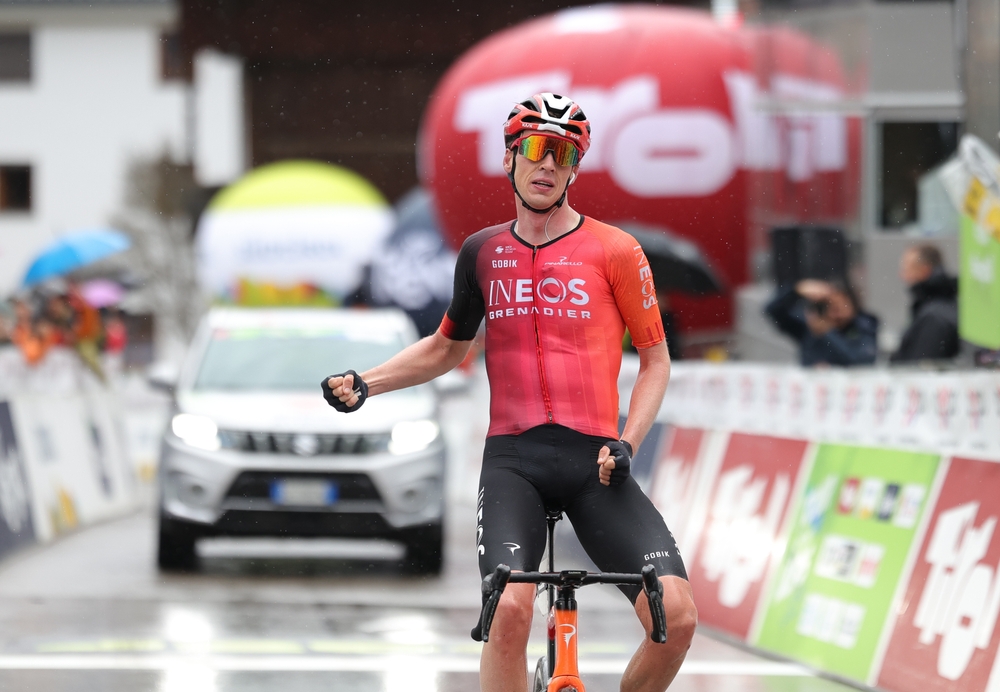
Thymen Arensman may not attract the same headlines as many riders around him on this list, but few possess a profile better suited to Grand Tour racing. The Dutchman has built his reputation on resilience rather than brilliance, relying on an enormous aerobic engine that allows him to become stronger as races become longer.
That quality transformed his Tour campaign last season. Initially overlooked in the general classification battle, Arensman gradually found his rhythm before claiming two magnificent mountain stage victories against the very best climbers in the world. His performances demonstrated not only exceptional endurance but also the confidence to attack rather than simply defend.
This year, he arrives after the strongest Giro d’Italia of his career. Although he narrowly missed the podium, Arensman consistently matched many of the race’s leading climbers and looked significantly more complete than ever before. The question is whether those efforts have left enough energy for another demanding three-week campaign immediately afterwards.
The design of this Tour offers encouragement. The hardest mountain stages arrive deep into the race, exactly when Arensman’s diesel engine typically reaches maximum efficiency. Unlike explosive climbers who rely on early accelerations, he often benefits from cumulative fatigue, making the final week his favourite hunting ground.
INEOS are unlikely to place enormous pressure on him by demanding a podium challenge from the start. Instead, Arensman should enjoy considerable tactical freedom, allowing him to adapt depending on how the race develops. If opportunities arise through breakaways or clever positioning, he has already shown that he can exploit them brilliantly.
A repeat of last year’s spectacular stage victories would already represent another excellent Tour, but Arensman may quietly harbour greater ambitions. If he remains close enough in the overall standings through the opening fortnight, few riders would relish seeing him arrive at the decisive Alpine stages with fresh legs and growing confidence.
10. Tom Pidcock – Q36.5 Pro Cycling Team
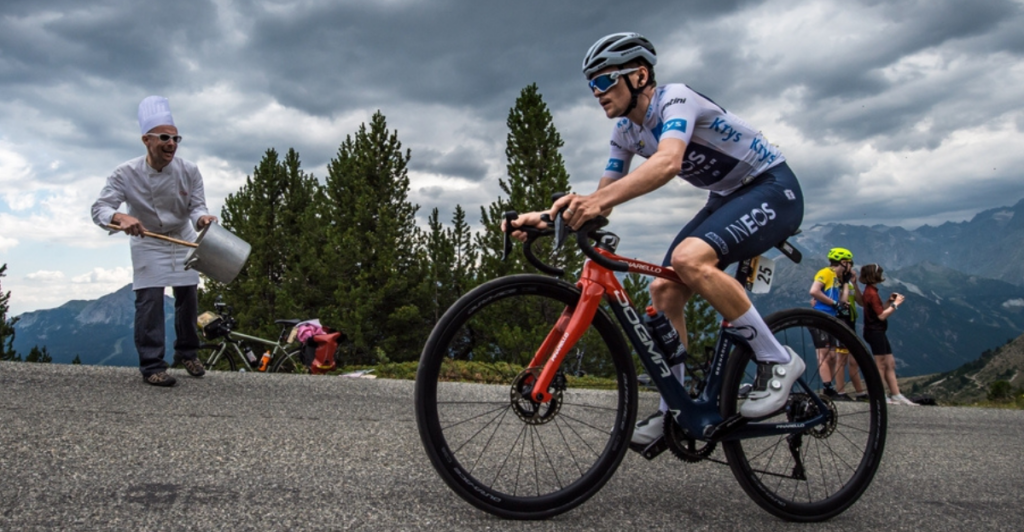
Tom Pidcock has spent years trying to convince the cycling world that he belongs among the Grand Tour contenders. Many questioned whether that ambition was realistic, pointing to his extraordinary success in one-day races instead. After all, few riders in the peloton can boast victories at Strade Bianche, Amstel Gold Race and Brabantse Pijl while consistently challenging Tadej Pogacar in the biggest classics. It seemed obvious that his greatest future lay there rather than in three-week stage races.
Then came the Vuelta. Pidcock finally produced the kind of performance that justified his persistence, riding to an impressive third place overall and proving that he could survive three weeks against elite climbers. It was a breakthrough that changed perceptions. He was no longer simply an explosive classics specialist experimenting with stage racing. He had demonstrated that, under the right circumstances, he could compete for the general classification.
This year’s Tour offers perhaps the most favourable route he has ever encountered. Many of the mountain stages are shorter and more explosive than usual, reducing the number of opportunities for pure diesel climbers to wear him down. The only truly enormous mountain stage comes late in the race, while several summit finishes resemble the terrain where Pidcock has repeatedly excelled throughout his career.
There are still legitimate doubts. His preparation was far from ideal after illness disrupted the latter part of his build-up, and his performances on the biggest Alpine climbs have never fully convinced. Against riders like Pogacar, Vingegaard, Lipowitz or Del Toro, he is still likely to lose significant time when gradients become relentless over long distances.
Even so, Pidcock enters this Tour with far more credibility than ever before. A podium may still be unrealistic, but a place inside the top ten would confirm that his Grand Tour ambitions are more than simply a childhood dream. More importantly, it would prove that last year’s Vuelta was not an isolated success but the beginning of a genuine transformation.
9. Tobias Johannessen – Uno-X Mobility
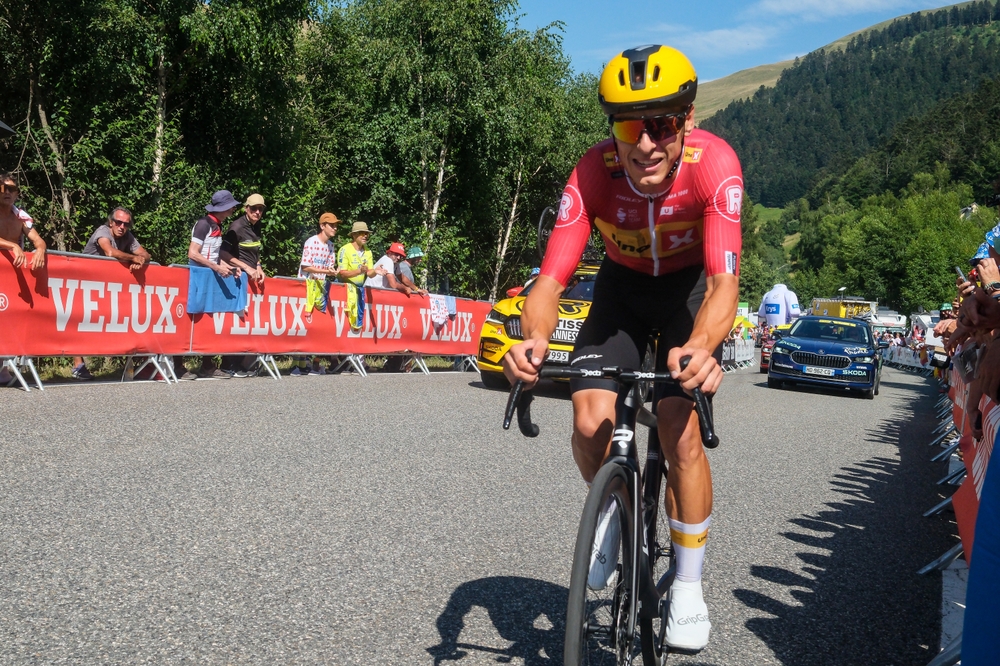
Norwegian cycling has waited a long time for a rider capable of challenging for the general classification at the Tour de France. For decades, the country produced outstanding classics specialists and sprinters, but while Denmark celebrated riders such as Bjarne Riis and Jonas Vingegaard, Norway searched in vain for its own Grand Tour leader. Tobias Johannessen finally looks capable of ending that wait.
His rise has not been straightforward. Ever since winning the Tour de l’Avenir, Johannessen was viewed as one of cycling’s brightest prospects, but it took several seasons before he truly fulfilled that promise. Initially known more for his explosive acceleration than his climbing, he gradually developed the endurance needed to compete over three weeks, culminating in an outstanding sixth-place finish at last year’s Tour.
What makes Johannessen particularly dangerous is the way he improves as races progress. Few riders recover as consistently from day to day, and last season he climbed from eighth to sixth during the final week, producing some of his strongest performances when others were beginning to fade. That pattern has continued throughout 2026, where he repeatedly looked stronger in the latter stages of stage races than he did at the beginning.
His route could hardly be more suitable. The back-loaded nature of this Tour plays directly into his strengths, allowing him time to build form before the decisive mountain stages arrive. Unlike previous editions dominated by endless Alpine marathons, many of the climbs also suit his explosive style, giving him multiple opportunities to stay with the favourites.
The only slight concern comes from his inconsistent spring. There were moments where his form appeared to disappear completely before returning just as suddenly. Fortunately for Uno-X, his performances in Auvergne suggested that those problems are now behind him, with Johannessen once again climbing alongside some of the world’s very best riders.
If he reproduces that level over three weeks, Norway may finally have the Grand Tour contender it has been waiting for. Matching last year’s sixth place will already be difficult given the stronger field, but everything suggests Johannessen has improved enough to challenge the riders immediately above him.
8. Cian Uijtdebroeks – Movistar Team
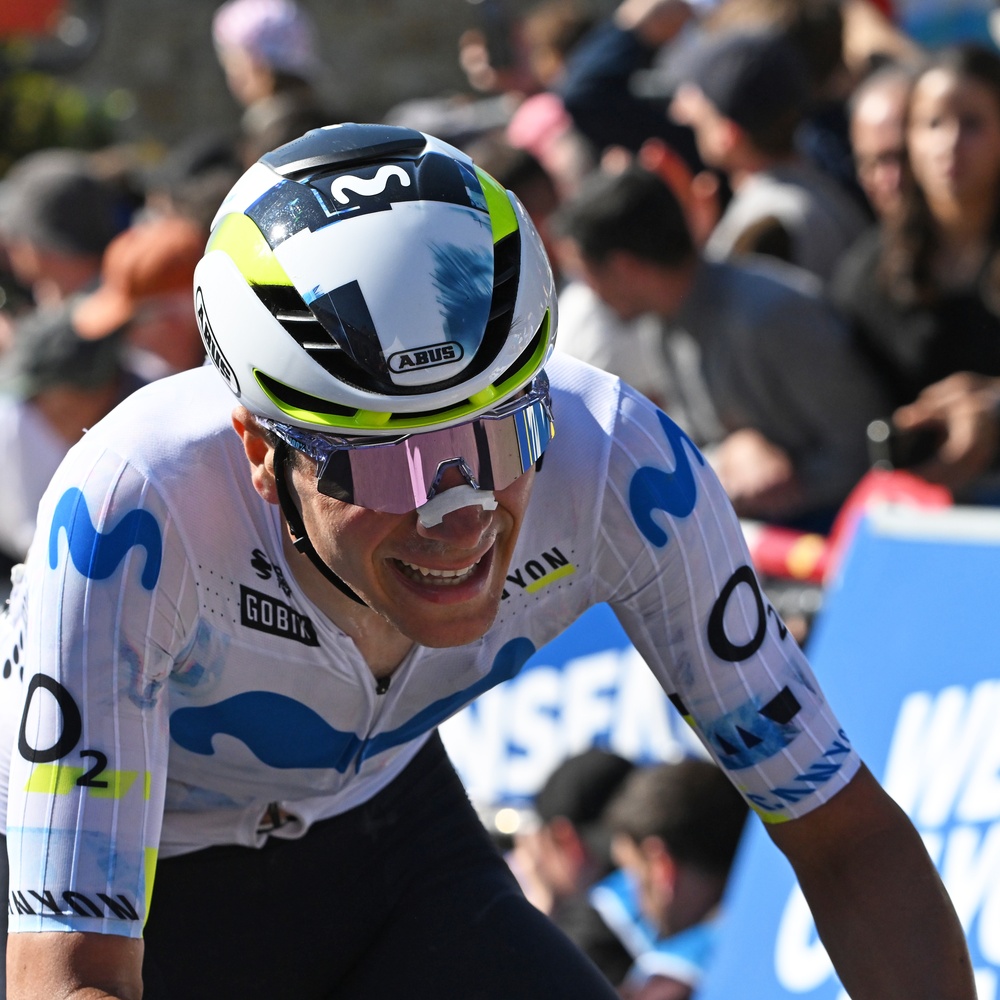
Few young riders have experienced a more turbulent journey than Cian Uijtdebroeks. Just a few years ago, he was regarded as one of the brightest Grand Tour talents in the sport, with several major teams fighting aggressively for his signature. His dominant Tour de l’Avenir victory only reinforced the belief that Belgium had discovered another future Tour contender.
Instead, his development stalled. Persistent physical issues robbed him of almost an entire season, leaving both his confidence and reputation damaged. While riders such as Paul Seixas, Isaac del Toro and Florian Lipowitz accelerated past him, Uijtdebroeks quietly disappeared from discussions about cycling’s next generation of Grand Tour stars.
His move to Movistar may prove exactly what he needed. Rather than competing for leadership inside one of cycling’s super-teams, he now has an opportunity to build patiently around his own ambitions. The pressure is lower, expectations are more realistic and, perhaps most importantly, he once again enjoys complete confidence from those around him.
There were encouraging signs throughout the spring despite the results rarely making headlines. Injuries and illness interrupted his preparation, yet he still produced enough strong climbing performances to suggest the underlying engine remains intact. Those who have followed his development closely know that few riders possess his combination of endurance and recovery when fully fit.
The route offers additional encouragement. With only one major time trial and several mountain stages arriving deep into the race, Uijtdebroeks has every opportunity to ride himself into form. He may lack the explosiveness of Seixas or Evenepoel, but over three demanding weeks his diesel engine could gradually move him further up the standings.
A podium remains unrealistic this year, but a return to the top ten would represent an enormous statement. More importantly, it would remind the cycling world that Uijtdebroeks remains one of the sport’s most naturally gifted Grand Tour riders despite the setbacks that temporarily slowed his rise.
7. Remco Evenepoel – Red Bull – BORA – hansgrohe
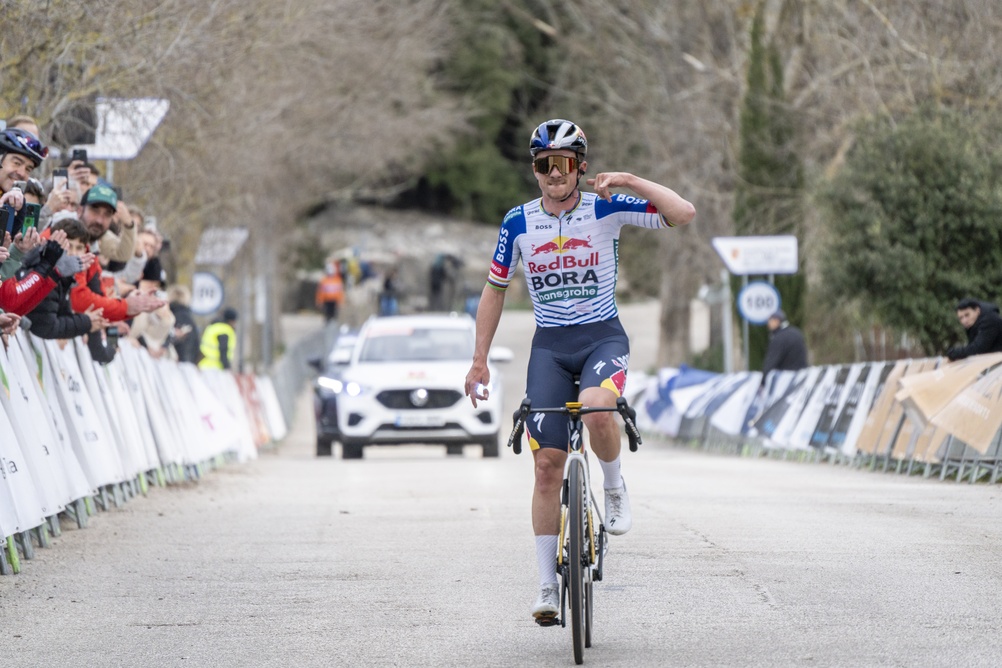
No rider enters this Tour carrying more pressure than Remco Evenepoel. Red Bull invested heavily to bring the Belgian superstar to the team, not because they wanted another Monument winner or time trial champion, but because they believe he can eventually win the Tour de France. That ambition now faces perhaps its biggest test.
On paper, Evenepoel should still belong among the favourites. He has already won the Vuelta a España, stood on the Tour podium and remains arguably the finest time triallist in the peloton. Few riders possess his ability to gain time against the clock while remaining competitive in the mountains.
The concern is that his climbing has failed to progress. Since his outstanding Tour performance two years ago, he has repeatedly struggled whenever races have reached the biggest mountain stages. Dauphiné, UAE Tour and Catalunya all exposed similar weaknesses, with Evenepoel unable to match the very best climbers despite arriving with solid preparation.
The route offers some relief. Unlike previous Tours, this edition contains relatively few brutal mountain marathons, reducing the opportunities for rivals to exploit his biggest weakness. The individual time trial should also allow him to recover valuable seconds, even if the course is more demanding than he would ideally prefer.
Still, questions remain unavoidable. Riders like Florian Lipowitz, Isaac del Toro and Juan Ayuso appear to have made significant progress over the last twelve months, while Evenepoel has largely remained at the same level. That means he no longer arrives as the clear favourite for third place behind Pogacar and Vingegaard.
Everything now depends on whether he can rediscover the climbing level that carried him onto the Tour podium before. If he does, another top-three finish becomes possible. If he cannot, difficult conversations about his long-term Grand Tour ambitions may become impossible to avoid.
6. Juan Ayuso – Lidl-Trek
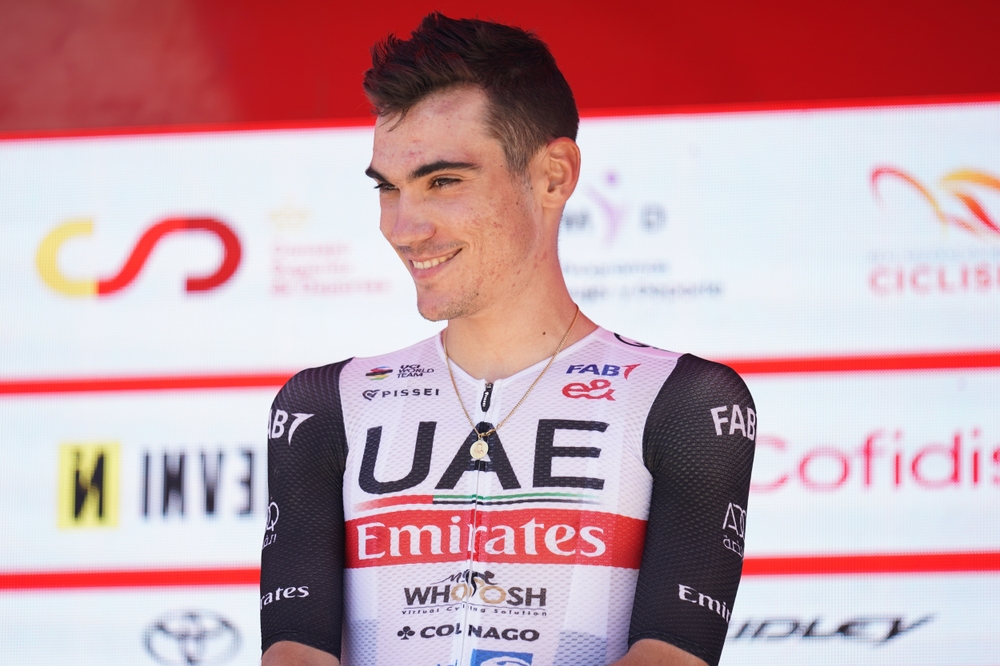
Juan Ayuso begins one of the most important races of his career with something he has wanted for years: complete leadership. After leaving UAE Team Emirates to escape Tadej Pogacar’s shadow, the Spaniard now has the opportunity to build his own Grand Tour legacy at Lidl-Trek. The Tour de France is where that journey truly begins.
His talent has never been questioned. Ever since finishing on the Vuelta podium as a teenager, Ayuso has been viewed as one of cycling’s future champions. Few riders combine such elegant climbing with world-class time trial ability, and on his best days he looks capable of matching almost anyone in the peloton outside the two dominant figures of this generation.
The frustration has been consistency. Injuries, illness and unfortunate crashes have repeatedly interrupted his progress, preventing him from putting together the complete Grand Tour performance many expected after his early breakthrough. Even when he has shown outstanding form in shorter stage races, setbacks have often followed before he could translate that level into a three-week race.
This season, however, there are genuine reasons for optimism. His victories and podium finishes have shown that he is once again climbing close to his very best, while Lidl-Trek have built a team capable of supporting him throughout the mountains and limiting losses in the team time trial. Everything points towards an organisation fully committed to helping Ayuso fight for the podium.
The biggest challenge will come from the remarkable depth of this year’s field. Florian Lipowitz, Paul Seixas and Isaac del Toro have all reached new levels, making the battle for third place behind Pogacar and Vingegaard significantly tougher than in previous editions. Ayuso has the talent to beat them, but he will need three perfect weeks to do so.
Should everything finally come together, this could become the Tour that re-establishes him among cycling’s elite Grand Tour riders. For Lidl-Trek, a podium would fully justify the enormous investment they made to bring him to the team and confirm that they have acquired one of the sport’s future leaders.
5. Isaac del Toro – UAE Team Emirates – XRG
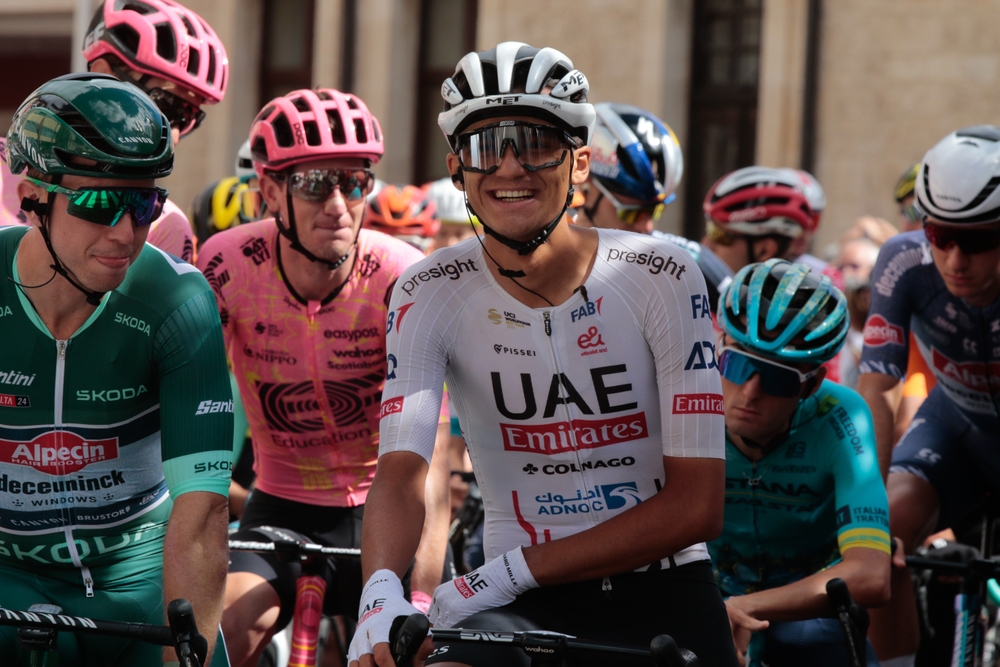
Isaac del Toro’s rise has been nothing short of extraordinary. Just a few years ago, the Mexican was virtually unknown outside development circles, with few expecting him to become one of the brightest young stars in professional cycling. Winning the Tour de l’Avenir changed everything, and since joining UAE Team Emirates he has developed at a breathtaking pace, evolving from an exciting prospect into one of the strongest climbers in the world.
The biggest question surrounding Del Toro has never been talent. It has always been whether his explosive style could translate into the sustained efforts demanded by the Tour de France’s biggest mountain stages. While he impressed during last year’s Giro, there were still moments when he looked vulnerable on the longest climbs, leading some to wonder whether he was better suited to punchier terrain than to true Grand Tour racing.
This season has largely answered those doubts. His performances in Auvergne, particularly on the final mountain stage, suggested he has developed into a much more complete climber. Rather than simply surviving the longest ascents, he was arguably the strongest rider in the race, producing one of the most convincing climbing displays of the entire season. Just as importantly, he looked stronger as the race progressed, reinforcing the belief that his recovery over three weeks is already among the best in the peloton.
There is, however, one obstacle standing between Del Toro and a realistic podium challenge: his teammate. Tadej Pogacar remains UAE’s undisputed leader, meaning Del Toro will spend much of the Tour working for the defending champion. That responsibility could force him to sacrifice valuable energy on key mountain stages, particularly if Visma manage to isolate Pogacar and UAE need their young Mexican to respond.
History suggests that such a role does not necessarily eliminate his own ambitions. UAE have repeatedly placed two riders near the top of the general classification while riding for Pogacar, and Del Toro is more than capable of following that pattern. If the race unfolds favourably, he may even find himself benefiting from the tactical attention given to his teammate, allowing him to quietly climb the standings while others focus exclusively on the battle for yellow.
Even if victory remains unrealistic, Del Toro looks perfectly capable of finishing on the podium. More importantly, this Tour could confirm that he belongs alongside the riders expected to dominate Grand Tours once the Pogacar-Vingegaard era eventually comes to an end.
4. Florian Lipowitz – Red Bull – BORA – hansgrohe
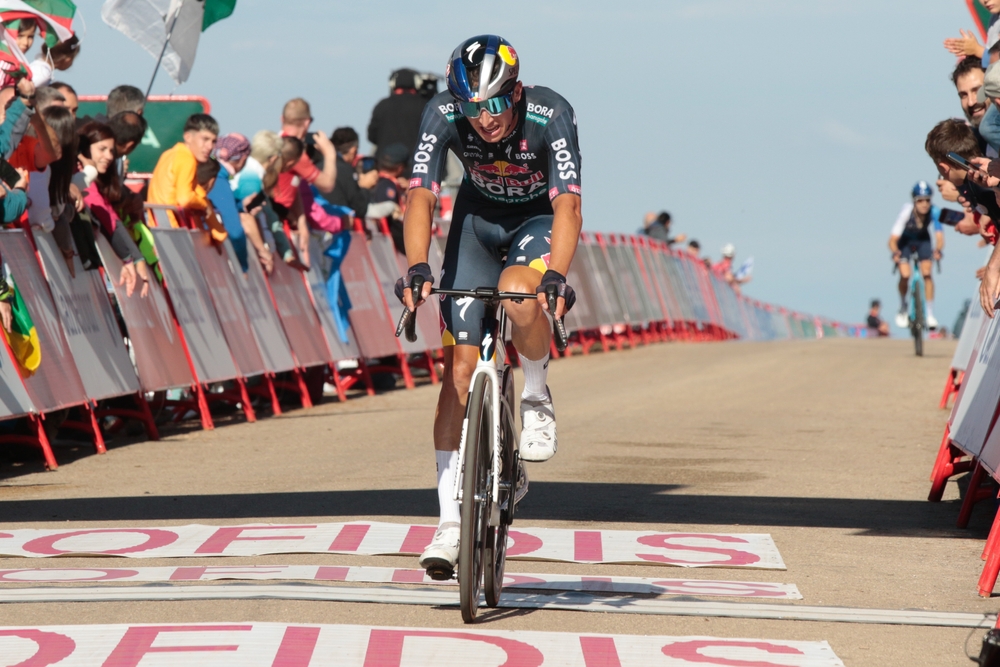
Few riders have improved as dramatically over the past two seasons as Florian Lipowitz. The German was once viewed as a promising climber with potential, but few imagined he would develop into arguably the safest bet behind the sport’s two dominant figures. Today, he arrives at the Tour not as an outsider but as one of the leading contenders for the final podium place.
What makes Lipowitz so dangerous is his consistency. Unlike many of his rivals, spectacular victories rarely define his reputation. Instead, he delivers the same exceptionally high level almost every time he races. Last season’s Tour illustrated that perfectly, as he established himself as the clear third-best rider in the mountains behind Pogacar and Vingegaard while comfortably outperforming everyone else.
His spring only strengthened that impression. Despite illness interrupting part of his preparation, Lipowitz repeatedly demonstrated that he had continued to improve. Particularly encouraging were his performances on terrain that should not have suited him. Climbs requiring explosive accelerations had previously been considered one of his weaknesses, yet he handled them with increasing confidence, suggesting that even the gaps in his skillset are beginning to disappear.
The Tour route is perhaps slightly less favourable than previous editions. Lipowitz thrives on brutal mountain stages where his enormous endurance gradually wears rivals down, whereas this year’s race contains fewer opportunities to exploit that strength. Nevertheless, his climbing has become so complete that it would be surprising if he were not among the strongest riders on virtually every summit finish.
His time trialling provides another significant advantage. Few climbers can match him against the clock, allowing him to limit risks elsewhere in the race. Combined with Red Bull’s powerful team, Lipowitz possesses one of the most balanced profiles among all the general classification contenders.
The biggest challenge will simply be the competition. The emergence of Paul Seixas, Isaac del Toro and Juan Ayuso means the battle for third place is stronger than ever. Yet if reliability counts for anything, Lipowitz may still be the safest prediction outside cycling’s two established superstars.
3. Paul Seixas – Decathlon CMA CGM Team
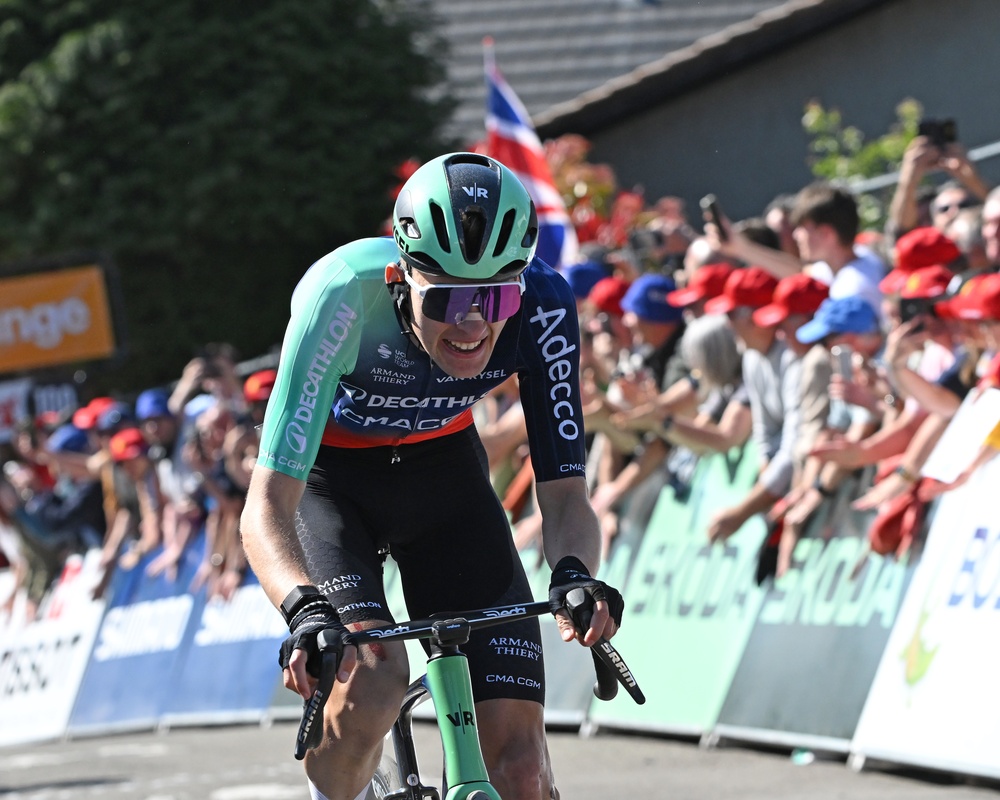
Every Tour de France introduces a rider capable of capturing the imagination of cycling fans around the world. This year, that rider is Paul Seixas. At just 19 years of age, the Frenchman arrives carrying expectations that would normally be reserved for multiple Grand Tour winners, a remarkable reflection of how extraordinary his development has been.
Even within Decathlon, few expected him to progress this quickly. The original plan was cautious. Seixas would gain experience, learn alongside established riders and gradually develop into a future Grand Tour contender. Instead, he has accelerated so rapidly that he now begins the Tour as many experts’ strongest candidate to challenge Pogacar and Vingegaard in the mountains.
The excitement surrounding him is entirely justified. Throughout the spring, Seixas repeatedly produced performances that simply should not be possible for a teenager. Whether climbing alongside seasoned Grand Tour specialists or dominating difficult stage races, he consistently displayed maturity well beyond his years. His raw climbing talent appears unmatched by any rider of his generation.
There is, however, one question nobody can answer before the race begins. Three-week Grand Tours demand far more than climbing ability. They require flawless recovery, physical resilience and the capacity to absorb day after day of relentless fatigue. No matter how gifted Seixas may be, nobody knows how his body will respond once the Tour enters its decisive third week.
Decathlon have attempted to reduce that uncertainty by surrounding him with one of the strongest support teams of his young career. Riders such as Matthew Riccitello provide valuable security should problems arise, while the team itself has embraced the reality that Seixas is now their central project rather than simply another promising youngster.
If he handles the physical demands of three weeks, the possibilities become extraordinary. A podium finish would already represent one of the greatest debut performances in modern Tour history, while anything more would immediately alter cycling’s balance of power. Whether that moment arrives this July or a few years from now remains uncertain, but there is little doubt that Seixas represents the future of Grand Tour racing.
2. Jonas Vingegaard – Team Visma | Lease a Bike
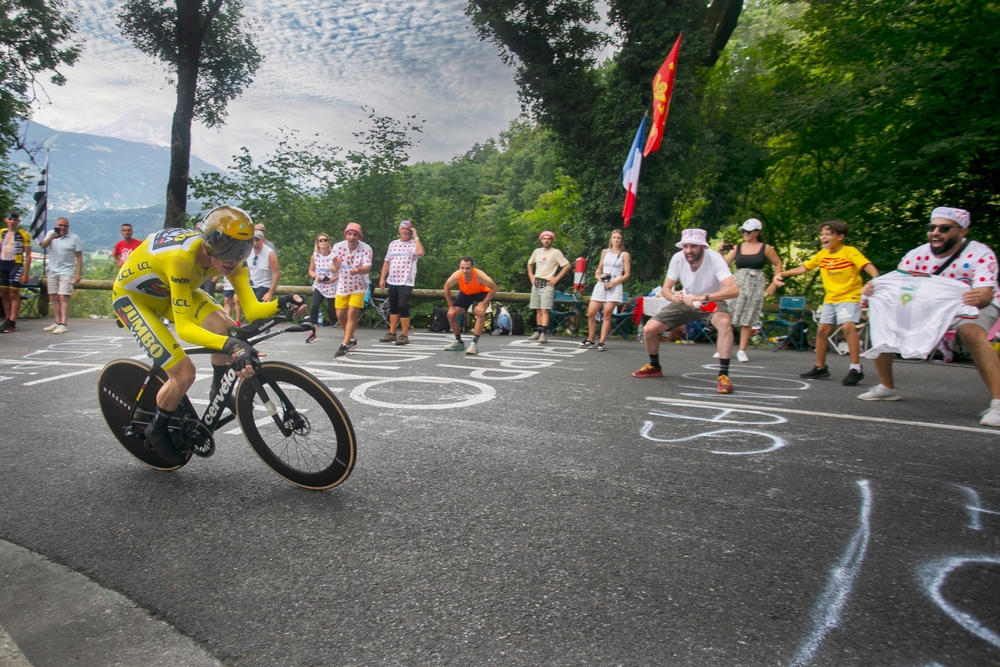
Jonas Vingegaard has become accustomed to entering the Tour with one objective: defeating Tadej Pogacar. No other rivalry currently defines professional cycling more clearly, and once again the Dane appears to be the only rider capable of denying the Slovenian another yellow jersey.
Unlike previous years, however, the challenge is arguably greater than ever. Pogacar arrives with perhaps the strongest all-round team in the race, while Visma’s mountain squad lacks some of the overwhelming depth that characterised its greatest victories. That means Vingegaard may find himself isolated earlier than he would like during the decisive mountain stages.
The route presents another complication. Historically, Vingegaard has excelled on relentless Alpine marathons where repeated long climbs gradually wear down the opposition. This year’s Tour contains fewer opportunities of that nature, favouring riders with greater explosiveness rather than pure endurance. While the final mountain stages still offer chances to make differences, the terrain overall appears slightly more favourable to his great rival.
None of that changes the fact that Vingegaard remains one of the greatest Grand Tour riders of his generation. His Giro performances suggested he may actually be stronger than he was twelve months ago, particularly on sustained climbs where his power output remains almost impossible to match. If Visma succeed in making the race as difficult as possible, few would be surprised to see him gradually break even the strongest opponents.
His tactical intelligence also remains a significant weapon. Vingegaard rarely wastes energy, almost never panics and consistently identifies the moments where maximum pressure can be applied. Those qualities have earned him multiple Tour victories and ensure that Pogacar can never afford even the slightest lapse in concentration.
Everything points towards another unforgettable duel. Vingegaard may not begin as the favourite, but anyone expecting him to settle for second place misunderstands both his character and his ability. If anyone can turn the race upside down, it is the quiet Dane from Visma.
1. Tadej Pogacar – UAE Team Emirates – XRG
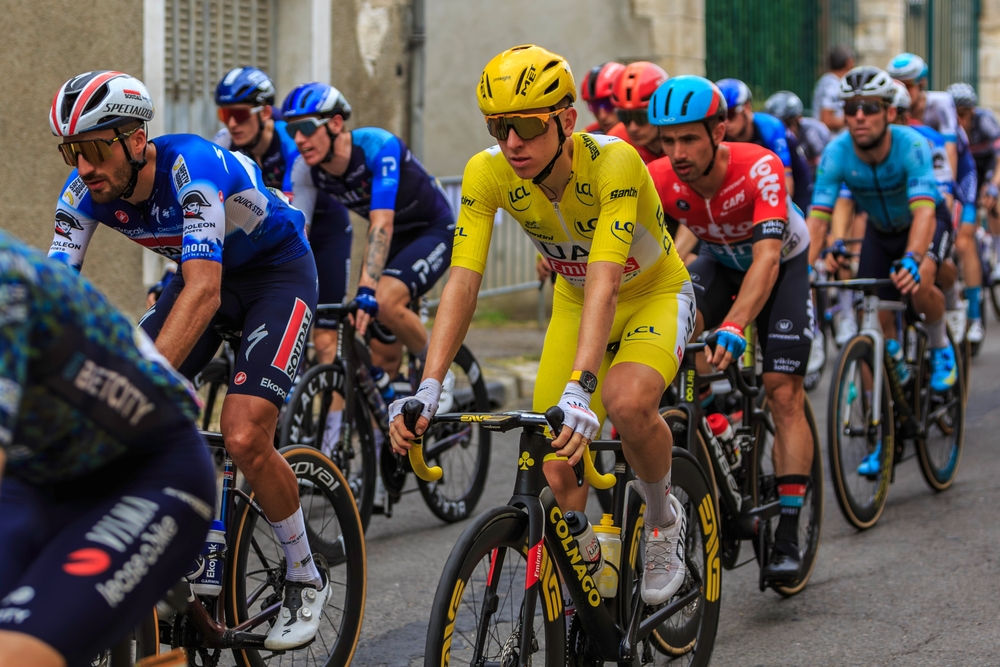
It has become increasingly difficult to identify weaknesses in Tadej Pogacar. Every season seems to add another dimension to an already extraordinary rider, and the reigning champion enters this Tour looking once again like the man everyone else must beat. Whether the race heads into the high mountains, technical descents, explosive finishes or individual time trials, Pogacar remains capable of dominating almost every terrain placed in front of him.
His greatest strength is no longer simply his climbing. Plenty of riders can produce exceptional numbers uphill on their very best day. What separates Pogacar is his astonishing completeness. He accelerates like a classics specialist, descends with remarkable confidence, time trials at world-class level and recovers effortlessly across three demanding weeks. There is simply no obvious area where rivals can reliably expose him.
The route appears almost tailor-made for his qualities. Several mountain stages reward explosive climbing rather than endless attrition, precisely the type of terrain where Pogacar has repeatedly distanced Vingegaard in recent years. The individual time trial should also favour the Slovenian, while UAE arrive with perhaps the strongest and deepest support team in the race. Having riders such as Isaac del Toro available gives Pogacar tactical options that few leaders have ever enjoyed.
That does not mean victory will come easily. Vingegaard remains close enough in ability to punish even the smallest mistake, while the emergence of riders such as Lipowitz, Seixas and Del Toro has made the overall competition stronger than at any point during the past five years. Pogacar can no longer expect only one rival to worry about when the mountains begin.
Even so, he deserves to start as the clear favourite. His consistency over the past two seasons has been remarkable, his confidence is at an all-time high and virtually every aspect of the route appears designed to suit his style of racing. Unless something unexpected happens, the Slovenian looks well placed to add another yellow jersey to an already extraordinary collection.
The Tour may once again become a duel between cycling’s two modern giants, but this year there is a growing sense that the next generation is finally ready to join the fight. Whether that happens immediately or in years to come, the battle for Paris promises to be one of the most fascinating editions in recent memory.