As the 2026 FIFA World Cup, primarily hosted by the United States, draws closer, questions surrounding US immigration policies and their impact on participants and fans are intensifying. Recent incidents, including the denial of entry to a Somali referee and concerns raised by a national team, have brought the issue to the forefront, prompting responses from US President Donald Trump and FIFA President Gianni Infantino.
Referee denied entry highlights challenges
The most striking incident involved Somali referee Omar Artan, who was denied entry to the US on Monday despite having previously been granted a visa. Artan was scheduled to officiate several World Cup matches. According to Gazzetta.it, his entry was blocked due to “vetting concerns” and because he shares a name with a leader of the Al Shabab military group. Artan was reportedly interrogated for 11 hours and held in a cell in Miami before being sent back.
Speaking to the New York Times from Istanbul, cited by Gazzetta.it, Artan expressed his dismay: “I am simply a referee who is trying to live his dream, the biggest dream of my life, to come to the World Cup. I had all my documents in order, but I was interrogated for hours, put in prison and then expelled. I believe they have a problem with my country.”
This incident follows other reports of stringent checks. Footage emerged showing players and staff from the Senegal camp being checked on the tarmac by airport security while traveling domestically from Raleigh, North Carolina to San Antonio, Texas. Additionally, Iranian fans reportedly had their entire allocation of tickets revoked ahead of the tournament, according to GIVEMESPORT.
Read also: 2026 World Cup: Fans brace for 'criminal' prices amid extreme heat concerns
FIFA defends vetting process
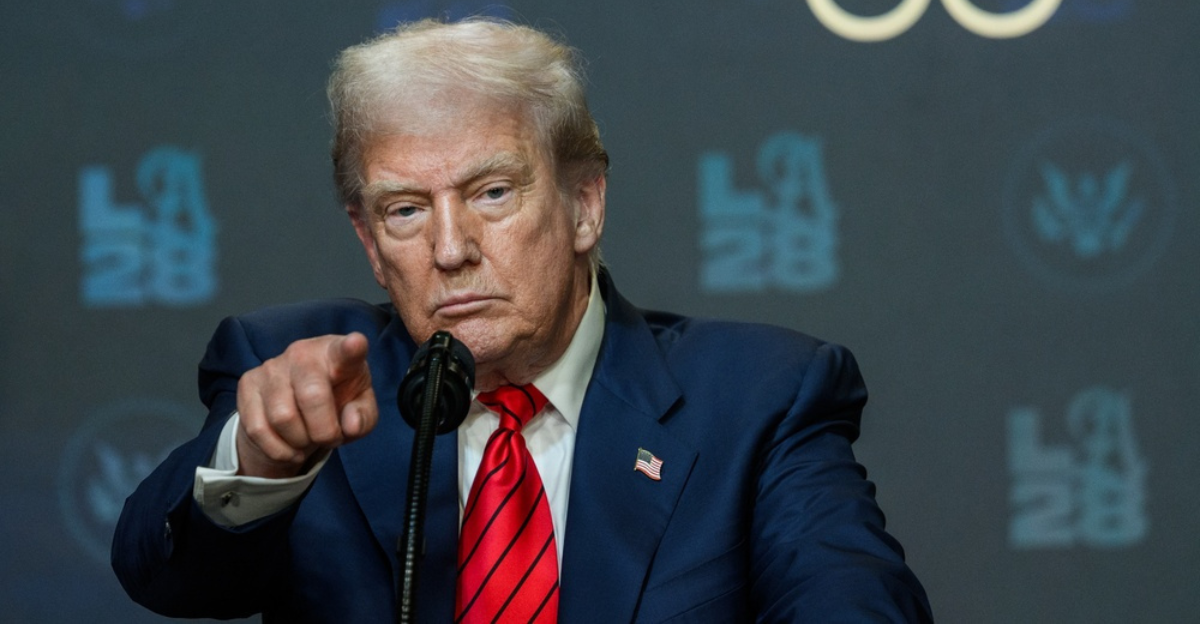
US President Donald Trump addressed the mounting concerns during a press briefing in the Oval Office on Wednesday, stating that the administration was “working on it very closely to make sure the right people come into our country.” He also highlighted the commercial success of the tournament so far, touting the number of tickets sold and calling it “the most successful World Cup they [Fifa] have ever had.”
FIFA President Gianni Infantino also weighed in on Wednesday, defending the actions of the US regarding visa issues. He acknowledged the significant logistical challenge of processing and vetting the vast number of individuals involved in the tournament.
“It’s not easy when you have 300,000 accredited people, majority of which from outside of the US, to process them to vet them, you don’t know,” Infantino told the media. He stressed the paramount importance of security in what he described as “a very aggressive world.” Infantino urged trust in the ongoing efforts, stating, “you need to respect the decisions which are taken and when I say to chill, I don’t mean to chill and do nothing. I mean to trust us, that we are working behind the scenes, we are trying to understand and there are things we can know, things we cannot know, things we are told, not told. We always try to make the situation as positive as possible and to find solutions. Sometimes we manage, other times not.”
Infantino further noted the complexity of international relations, citing the “success” of bringing Iran to play in America. “I don’t know who would have managed to do that, and of course, everyone here believes it’s the right thing to do but again, we don’t live on the moon; we live on planet earth, and you have to deal with different situations. We try to do our best and I hope we’ll have some good news.”
Read also: Thierry Henry stuns fans with surprise 2026 World Cup dark horse picks
With the majority of the 2026 World Cup matches set to take place in the USA, alongside co-hosts Mexico and Canada, the balance between national security protocols and facilitating a global sporting spectacle remains a critical challenge for organizers and governments alike.
Read also: Dana White fires back at Sean Strickland's White House UFC ban claim