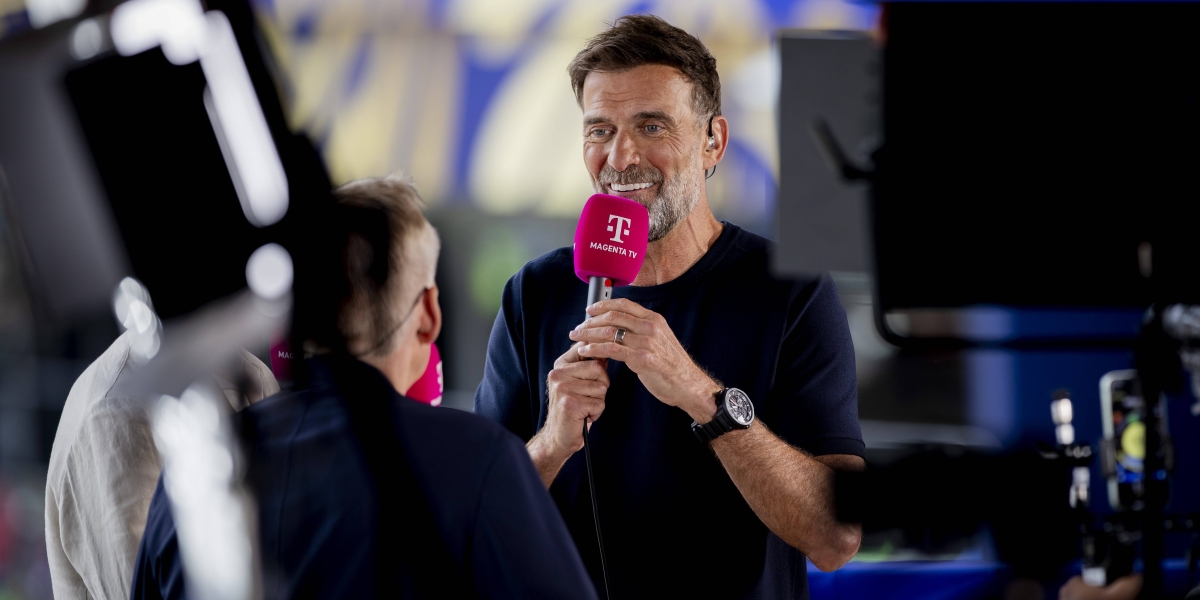
Jurgen Klopp is set to embark on his first venture into international management, with reports indicating his imminent confirmation as Germany’s new head coach. The appointment brings an end to weeks of speculation following Julian Nagelsmann’s departure, who left the role after Germany’s World Cup Round of 32 exit on penalties to Paraguay.
The 59-year-old German tactician, renowned for his high-energy football and charismatic leadership, takes the reins of his national team after a storied club career. Klopp famously departed Liverpool in 2024 after a transformative nine-year spell, during which he guided the Reds to their first Premier League title in 2020 and a Champions League triumph in 2019. Following a brief break from football, he took on the role of Red Bull’s Head of Global Soccer in early 2025, a position that involved no on-pitch involvement.
Salary comparison: A shift in earnings
Klopp is reportedly poised to sign a four-year deal with the German national team, a contract that will see him through to the conclusion of the 2030 World Cup, as reported by Yahoo Sports, citing SB Nation. Under this new agreement, he is expected to earn approximately €7 million (£6 million) annually. This figure positions him among the highest-paid international managers in world football, yet it marks a significant reduction from his previous roles.
According to GiveMeSport, this new salary is notably more than 50% less than what he commanded at Anfield. In his final season at Liverpool, Klopp was pulling in an impressive £15 million annually, a figure reported by The Sun. His subsequent role as Red Bull’s Head of Global Soccer also came with a more lucrative pay packet, reportedly between €10 million and €12 million annually.
Read also: Manchester United told to ‘nick’ two Man City stars if relegation hits
The economics of international management
The substantial financial gap between Klopp’s new role and his previous club and corporate positions reflects the inherent economic differences between club and international football. Major clubs like Liverpool generate vastly greater revenue streams from matchday attendance, broadcast rights, and commercial partnerships compared to national federations.
Club managers also shoulder a far heavier workload, being in the dugout weekly and working daily with their squads across multiple demanding competitions, including domestic leagues, the Champions League, and various domestic cups. In contrast, international managers engage with their players only a handful of times a year, primarily during short training camps ahead of qualifiers or major tournaments. This reduced intensity and direct involvement are typically reflected in a comparatively smaller compensation package, even for a coach of Klopp’s calibre and reputation.
Read also: Thierry Henry issues blunt warning over Liverpool’s £123m signing