Russia is still shut out of international football, and the Kremlin wants that to change.
In a message read to delegates at the 14th Russia: Country of Sports forum in Krasnoyarsk on 23 October, Vladimir Putin framed Russia as a country ready to come back in from the cold.
“Russia has always been and will remain an integral and important part of this family, while reaffirming its commitment to strictly following all the international obligations and justified requirements it assumes,” he said in the message, carried by state agency TASS.
He added that the country was “open to dialogue and cooperation” and claimed the international sports community was “in the process of returning to the fundamental principles governing the world of sports.”
Read also: “It would be deeply unfair to Spurs” – Pedro Porro responds to Real Madrid and Barcelona links
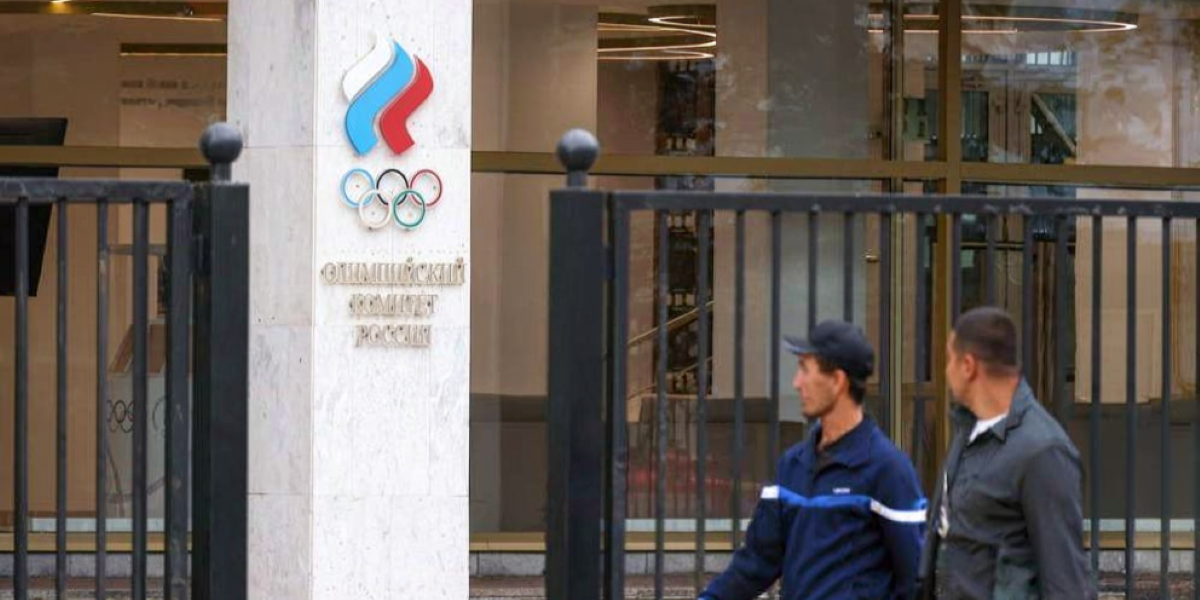
The intervention lands three months after a shift at the Olympic level. On 7 July, the IOC provisionally lifted its suspension of the Russian Olympic Committee, nearly two years after the body was first barred. IOC president Kirsty Coventry said at the time that she did not believe athletes should “pay the price” for government actions, opening a path for Russian competitors to be reintegrated ahead of Los Angeles 2028.
FIFA has moved the opposite way, in words at least
Football’s governing body has not followed. Russian clubs and national teams have been suspended from all international competition since February 2022, and FIFA has given no indication it is close to a vote on reinstatement.
In public, FIFA president Gianni Infantino has made clear he would prefer to lift the ban. In an interview with Sky Sports published on 3 February, he said reinstatement should happen.
“Because this ban has not achieved anything, it has just created more frustration and hatred,” Infantino told Sky Sports.
Read also: Trump wants his name on the Commanders’ $3.7bn stadium, without paying for it
He also argued FIFA should write into its statutes a rule that no country be banned over the actions of its political leaders.
Those comments are nine months old, and no FIFA Council vote has been scheduled since. Infantino’s personal position has run up against resistance from the strongest voting bloc in football.
UEFA members refuse to play Russia
Senior UEFA federations, including England, Poland, Sweden and Ukraine, have stated publicly they would refuse to field teams against Russian opposition, making qualifiers unworkable even if a formal ban were lifted. A 2023 attempt to reinstate Russian teams at the Under-17 level collapsed for that reason: nations simply would not play.
That has left FIFA in an awkward spot. Confederations do not control how their member associations vote in Zurich; each of FIFA’s 211 associations casts its own ballot. But the practical politics are unchanged. If European sides will not take the field, a formal reinstatement delivers no competitive football.
Read also: “I don’t think I can play anymore” – Kulusevski reflects on 526-day Tottenham injury battle
Russia missed the 2022 World Cup qualifying play-offs, was excluded from the Euro 2024 draw, and watched the 2026 World Cup pass without it. The next qualifying cycle, for the 2030 edition, has not yet begun.
The practical question is now what FIFA does with the Olympic precedent. The IOC’s reinstatement required Russia to remove its sports organisations from occupied Ukrainian territory. Football’s governing body has not set out whether it would weigh a similar bar, and FIFA has not responded publicly to Putin’s forum message.
For now, the status is unchanged: no Russian club or national side will take the pitch in a FIFA competition, and no date is on the calendar for the Council to revisit the ban.
“`Read also: The Winter Olympian Trump left off the White House guest list: “Real loser”