The tragic end of an olympic dream
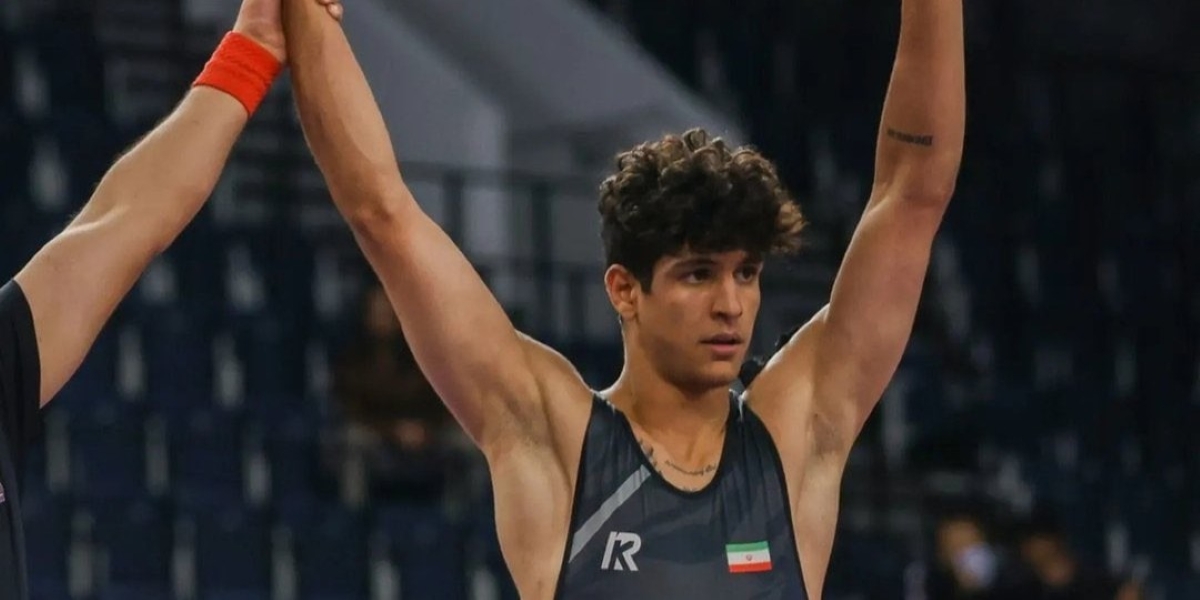
Saleh Mohammadi was only 19 years old when his life was abruptly ended. He was a highly promising wrestler with a clear ambition to one day become an Olympic champion. He had already begun making his mark on the international stage, recently securing a bronze medal at the 2024 Sayitiyev International Cup in Russia. Those dreams were permanently shattered when he was executed in the city of Qom, alongside two other young men, Mehdi Ghasemi and Saeed Davoudi.
For those unfamiliar with the mechanics of the sports world, the International Olympic Committee is the supreme global authority that organizes the Olympic Games. When an athlete of Mohammadi’s caliber is involved in a state execution, the international community naturally looks to this committee for a definitive response. However, navigating the legal systems of a sovereign nation proves incredibly complex.
Contradicting claims and forced confessions
The events leading up to these executions are surrounded by heavy dispute and wildly different narratives. The political climate in Iran has been intensely volatile, with widespread protests erupting in December and intensifying significantly by January.
According to Iranian state media, the three individuals were convicted of killing police officers during these massive public demonstrations. The state authorities insist the sentences were legally justified and carried out after the Supreme Court of Iran upheld the ultimate decision.
Read also: Guardiola’s Man City future in doubt after Champions League exit
Human rights advocates tell a completely different and deeply disturbing story. According to the Human Rights Activists News Agency, the confessions from Mohammadi and his peers were entirely coerced. The agency states that the young men were subjected to severe torture and were denied anything resembling a fair trial. The sheer scale of the national unrest is massive, as this same agency reports that over 7,000 people have lost their lives during the protests, including 236 children.
How the olympic committee is responding
Faced with mounting public pressure, the global sports authority has clarified its stance. According to Fox News Digital, the committee provided a statement addressing the execution and the broader struggles that athletes face today.
The organization noted that our current world is deeply divided and filled with tragedies, expressing profound concern whenever they learn about the mistreatment of competitors globally. They pointed out a major hurdle in their ability to act, explaining that it is exceptionally difficult to make definitive comments about individual situations during times of national unrest. This is largely because the information coming out is often highly contradictory and impossible for them to verify independently.
Despite these inherent challenges, they emphasized their specific worry for Iranian athletes who are currently impacted by the chaotic events unfolding within their home country.
Read also: The 15 most successful English clubs ever – ranked from bottom to top
The boundaries of quiet sports diplomacy
Many fans and activists want to see immediate penalties, but the reality of global sports administration is highly restrictive. The committee clarified its position by stating it operates as a civil, private organization. Therefore, it does not possess the legal remit or the power to alter the political systems or laws of an independent country.
They urged the public to remain realistic regarding how much direct influence the sports body actually has over national and global affairs. Even with these strict limitations, the organization maintains that it is not completely stepping away. Instead, they rely on what they describe as quiet sports diplomacy, keeping discrete lines of communication open to advocate for the safety of athletes behind closed doors.
Read also: Obama and Anthony Edwards take rivalry to new video