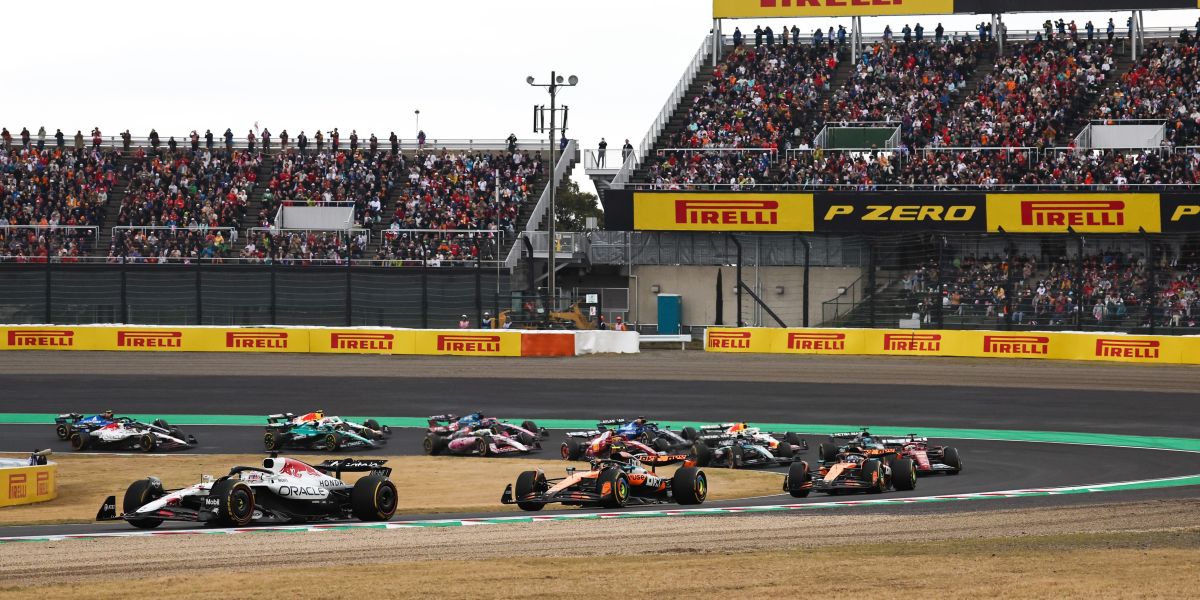
According to Lewis Larkam of Crash.net, Formula 1’s governing body has made a late adjustment to the qualifying regulations for the Japanese Grand Prix after concerns that Suzuka could expose the same battery management problems seen earlier in the 2026 season. The FIA has reduced the maximum permitted energy recharge in qualifying from 9MJ to 8MJ per lap, a change intended to ease the amount of harvesting required during a push lap and preserve more of the flat out feel drivers expect in qualifying.
The revision may look modest in regulatory terms, but it is another sign that the new 2026 framework is still being refined in live competition. Crash.net reported that Suzuka, much like Albert Park in Melbourne, was expected to put energy management under pressure, while the issue appeared less pronounced at the previous round in Shanghai. By stepping in before qualifying, the FIA is trying to prevent the kind of excessive lift and coast behaviour that can take away from the spectacle and place a greater emphasis on management than outright performance.
Why the FIA acted before Suzuka qualifying
In its statement, the FIA said the change followed discussions with teams and power unit manufacturers and had the support of every power unit manufacturer. The governing body said the adjustment was made to protect the intended balance between energy deployment and driver performance, adding that the maximum permitted energy recharge for qualifying this weekend had been cut from 9.0 MJ to 8.0 MJ. According to the FIA statement cited by Crash.net, the revision reflects feedback from drivers and teams who want qualifying to remain a genuine performance challenge rather than an exercise dominated by battery preparation and recovery.
That explanation matters because one of the central concerns around the 2026 regulations has been whether drivers would be forced into too much management even in sessions that are supposed to reward commitment and precision. Rather than waiting until after the weekend, the FIA chose to act immediately, which suggests the issue had become significant enough in simulations and team discussions to justify an earlier intervention. The change only applies to qualifying, so there is no adjustment for Sunday’s race, but it still amounts to an important signal that the new rules are being actively tuned as weaknesses become clearer.
Read also: Cristiano Ronaldo Jr could join European giants after training with top club
What super clipping means in practice
According to Lewis Larkam of Crash.net, “super clipping” is one of the new terms to emerge from Formula 1’s overhauled 2026 regulations and refers to a phase in the lap where the car begins aggressively recovering electrical energy rather than continuing to deploy it at full effect. In practical terms, that means the driver can still be at full throttle, but the car may no longer keep delivering the same level of battery assistance because the system has shifted toward harvesting energy. The result is a visible drop in acceleration at a point on the straight where fans would normally expect the car to keep pulling at maximum speed.
Crash.net explained that the new power units place much greater weight on electrical deployment and recovery, with the battery contributing far more performance than in the previous generation. That has created situations where drivers must manage energy much more carefully across a lap, especially at circuits where long straights and heavy demand make recovery more difficult. Super clipping has therefore become shorthand for one of the main complaints about the 2026 package, because it can force drivers into conserving and recharging even on laps that are supposed to be all out efforts in qualifying.
The term also matters in the context of Suzuka because the FIA’s late rule change is aimed at reducing how often drivers fall into that kind of energy saving pattern. By lowering the permitted recharge figure in qualifying from 9MJ to 8MJ, the governing body is effectively trying to reduce the need for the most obvious forms of battery management and make a flying lap feel more natural. In that sense, the rule tweak is not only a technical adjustment, it is a response to a wider concern that the new cars risk becoming too management heavy in the most important moments of a qualifying session.
Leclerc sees progress, but not a major reset
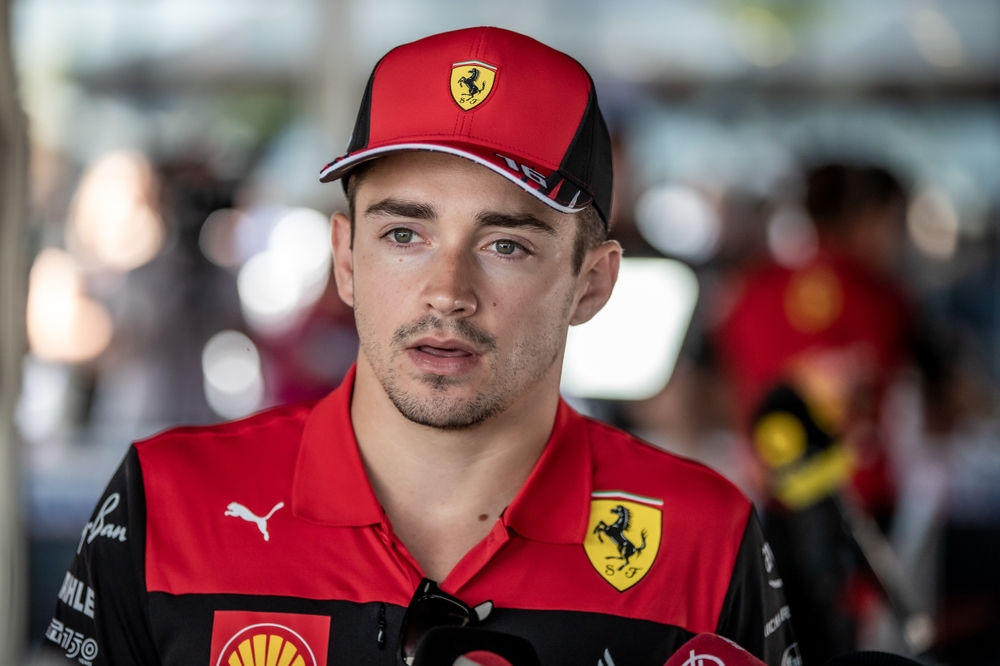
Ferrari driver Charles Leclerc does not expect the change to dramatically alter the competitive order, but he did make clear that he sees it as a move in the right direction. He said, “I don’t think it will be a game-changer,” before adding that the session should remain broadly similar, even if drivers may need a little less lift and coast. His reaction suggests that while the tweak could improve the feel of a qualifying lap, it is unlikely to suddenly reshape the grid on pace alone.
Read also: Aston Martin confirm Fernando Alonso will miss start of Japan GP weekend
Leclerc also pointed to a broader concern with how qualifying has worked under the new rules so far. He said the first two events had been more about managing everything correctly than delivering the kind of all out Q3 laps drivers were used to in previous years. That is an important distinction, because it shows the debate is not only about one number in the regulations, but about whether Formula 1 has found the right competitive balance between efficiency, deployment and driver expression. In that sense, the Suzuka adjustment may be useful, but it does not close the discussion.
Suzuka becomes another test for the new rules
The FIA also said the opening races under the 2026 regulations had been operationally successful and described the Suzuka decision as part of a normal optimisation process as the framework is tested in real world conditions. According to Crash.net, further discussions are planned in the weeks before Miami, with no changes set for the race itself in Japan. That leaves Suzuka as another important reference point in understanding how the new era is functioning, both technically and competitively, as teams, drivers and officials continue to work through the practical demands of the revised rules.
More broadly, this late change shows that Formula 1 is still in the phase where the theory of the regulations is being checked against the reality of race weekends. The FIA has not framed the issue as a crisis, but the decision to intervene before qualifying underlines that preserving the sporting quality of the session remains a priority. For now, the tweak should reduce some of the most visible energy saving concerns, even if the bigger conversation about how qualifying ought to feel in the 2026 era is far from over.
Sources: Crash.net
Read also: Trump’s ICE airport plan sparks World Cup safety fears
Read also: Eddie Hall blacks out after 1,000kg leg press in resurfaced training clip