Why the FIA made the change
According to SPORTbible’s report by Luke Davies, the FIA will reduce the maximum permitted energy recharge for qualifying in Japan from nine megajoules to eight megajoules. The governing body said the move followed discussions with teams, drivers and manufacturers as the sport continues to test its new regulations in live race conditions. The 2026 Formula 1 rules introduced a new power unit balance built around a 50 percent split between electrical power and internal combustion, a change the FIA had already presented as a defining part of the new era.
In its statement on Thursday, March 26, the FIA said: “This adjustment reflects feedback from drivers and teams, who have emphasised the importance of maintaining qualifying as a performance challenge.
“The FIA notes that the first events under the 2026 Regulations have been operationally successful, and this targeted refinement is part of the normal process of optimisation as the new regulatory framework is further validated in real world conditions.
“The FIA, together with F1 teams and power unit manufacturers, continues to embrace evolutions to energy management, with further discussions scheduled in the coming weeks.” According to the reporting, the practical effect should be less lifting and coasting on the straights during qualifying, which may help keep lap preparation closer to what drivers and teams expect from a peak performance session.
Read also: Toto Wolff addresses Mercedes’ stance on Max Verstappen move for 2027
How the season has started
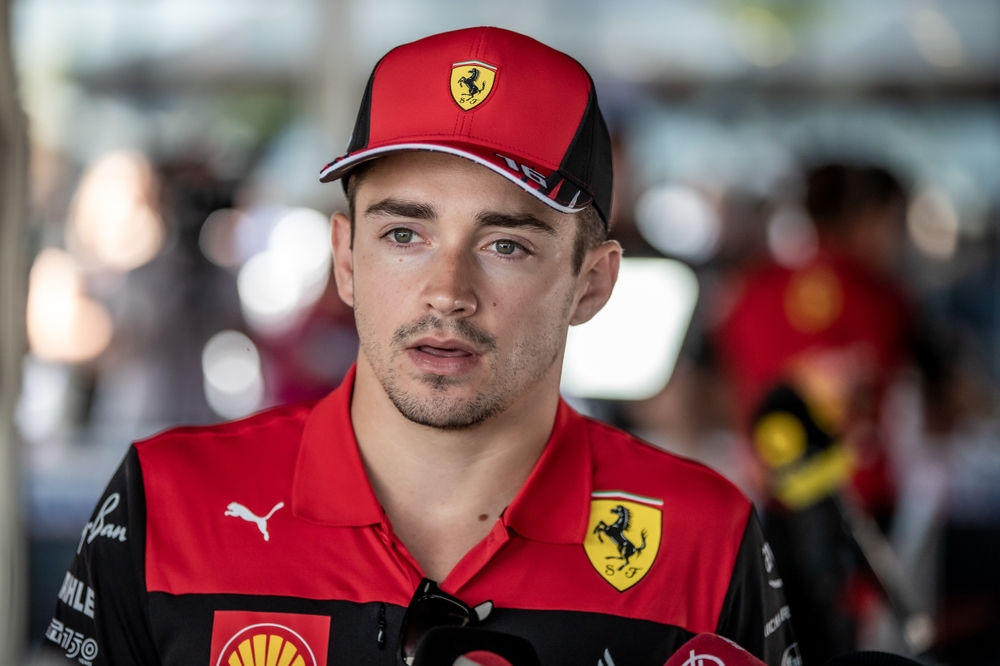
According to Formula 1’s official results and race coverage, Mercedes has made the strongest start to the season, with George Russell winning in Australia and Kimi Antonelli taking victory in China. Ferrari has also stayed firmly in contention, with Charles Leclerc and Lewis Hamilton both reaching the podium across the opening two rounds. That early competitive picture helps explain why teams are already focused on small regulatory refinements that could affect qualifying performance and energy deployment.
SPORTbible also reported that Max Verstappen has been frustrated by the early feel of the new package after a difficult start with Red Bull. With the 2026 cars relying more heavily on the electrical side of the power unit than in the previous era, concerns about drivability and race weekend rhythm have become part of the conversation almost immediately. That makes the FIA’s latest adjustment notable, not because it rewrites the rules entirely, but because it shows how quickly the governing body is willing to react once teams begin racing under the new framework.
Why Suzuka arrives at a key moment
According to Formula 1’s official schedule, the Japanese Grand Prix is set for March 29, with Suzuka serving as round three of the 2026 season. The timing matters even more because the calendar then opens into an unusually long pause. Formula 1 has confirmed that the Bahrain and Saudi Arabian Grands Prix will not take place in April because of the ongoing situation in the Middle East region, which means Japan now sits just before a significant break in the championship.
That gives this weekend extra weight. Any change made now, even a targeted one focused only on qualifying energy recharge, is likely to be watched closely by teams looking for an edge before the sport disappears from the calendar for several weeks. According to SPORTbible, the tweak was made in response to concerns about preserving qualifying as a true performance test, and Suzuka will be the first chance to see whether that adjustment changes the rhythm of a lap in a meaningful way.
Read also: Verstappen halts Suzuka press session in dispute with Guardian reporter
Sources: SPORTbible, Luke Davies, Formula 1, FIA.
Read also: Tiger Woods keeps Masters hope alive as online reaction turns to his physique