With the United States getting ready to host the 2026 World Cup, this feels like the right time to look back at the players who helped shape the country’s soccer story. American men’s soccer has not always had the depth or consistency of the global giants, but it has still produced stars, trailblazers, and big-match performers. Some built their name in Europe, some became icons in MLS, and some did both. This ranking counts down 20 of the best U.S. players featured in the list, starting at No. 20 and working up to No. 1. Along the way, it highlights what made each player special, as well as the limits that kept some of them from climbing even higher.
20. John Harkes
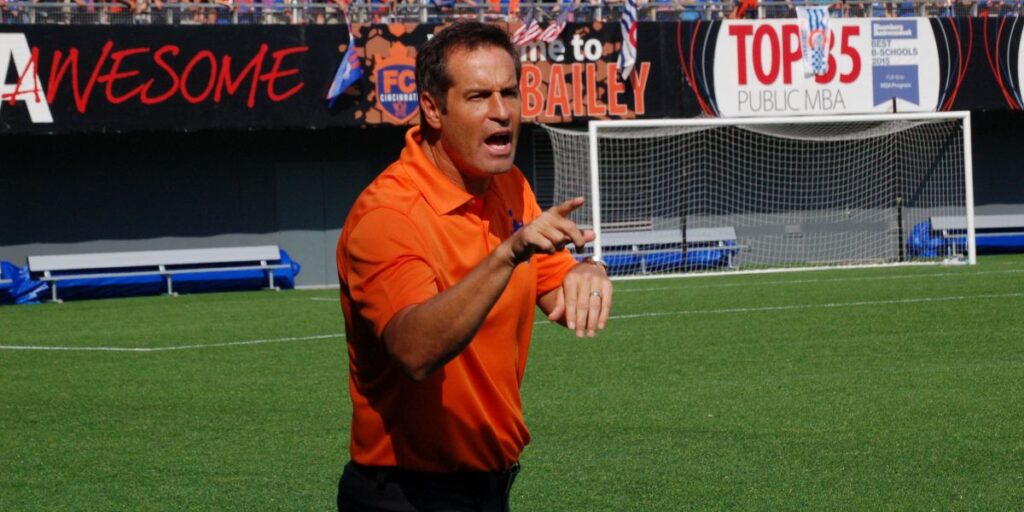
John Harkes was one of the key American midfielders of the 1990s and an important early figure for U.S. players abroad. He broke ground as the first American to play in the Premier League and later won two MLS Cups with D.C. United, which gave his career real weight on both sides of the Atlantic. His strengths were his leadership, his presence in midfield, and the fact that he stayed central to the national team for much of the decade. At the same time, his overall numbers for the U.S. were not as eye-catching as those posted by some of the attackers above him in this ranking. His legacy is strong, but it is built more on influence and milestones than on overwhelming production.
19. Tab Ramos

Tab Ramos was a smooth, intelligent midfielder and an important technical player at a time when the United States was still trying to establish itself in the modern game. He played professionally in Spain, Mexico, and the United States, and he also became the first player to sign with MLS, which says a lot about how highly he was regarded. Ramos brought quality on the ball and had the pedigree of a three-time World Cup player. The downside is that his career case is stronger in terms of significance than raw dominance. Compared with some of the players ranked above him, he is remembered more as a foundational figure than as a player who completely changed games on a regular basis.
18. Kasey Keller

Kasey Keller was one of the first American goalkeepers to prove he could belong in top European leagues. He became a regular in the Bundesliga, the Premier League, and La Liga, and that kind of range was a major achievement for a U.S. player of his era. He also played in four World Cups, which underlines both his quality and his longevity. His strength was reliability, especially in a position where trust matters more than flair. Still, his résumé does not have one signature record or defining international peak that clearly lifts him above the other great American keepers. That is why he remains admired, but not quite at the very top of the goalkeeping group.
Read also: PSG could receive major boost ahead of Liverpool Champions League clash
17. Cobi Jones
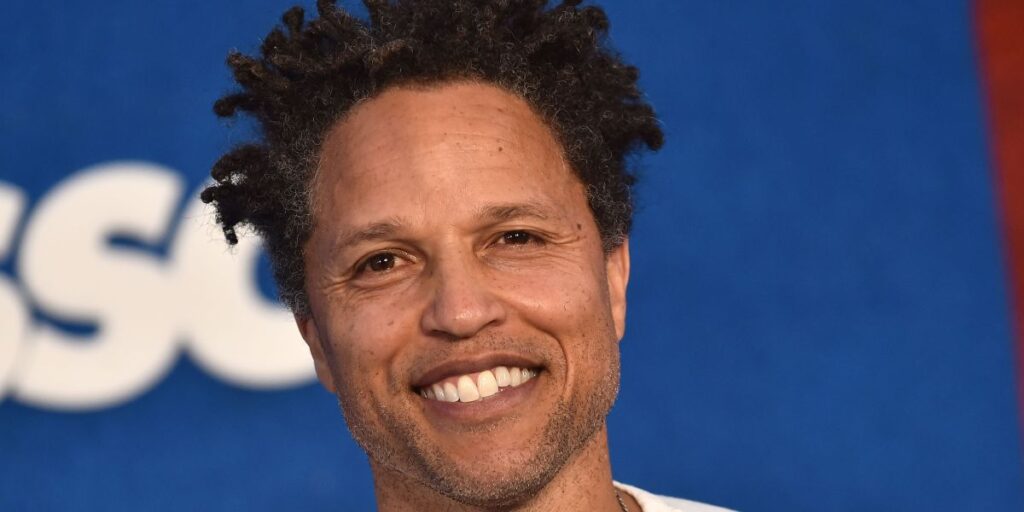
Cobi Jones brought energy, consistency, and incredible staying power to both the national team and MLS. He remains the all-time leader in caps for the United States, which speaks to his fitness, usefulness, and ability to stay relevant over many years. Jones also played abroad before returning to help MLS grow with the LA Galaxy, making him an important part of the league’s early identity. His game was built on work rate and presence rather than on headline-grabbing numbers. That makes him easy to respect, but harder to rank ahead of players who had a bigger impact in front of goal or on the biggest stages. He was a major figure, even if he was not always the most decisive one.
16. Tyler Adams
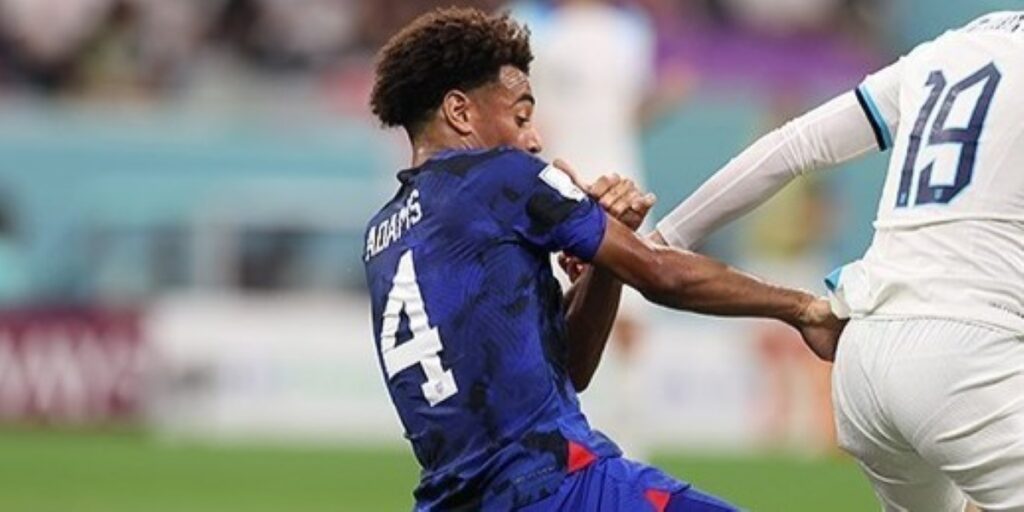
Tyler Adams stands out for his versatility and maturity, having already played key roles for both club and country. He came through the New York Red Bulls system, moved to RB Leipzig, and has been trusted in midfield while also being capable of playing in wider or deeper roles. Currently a part of the Bournemouth club His biggest strength is that he can solve problems in several parts of the pitch, which makes him valuable in almost any setup. The obvious limitation is that his case is still unfinished compared with retired legends who built their résumé over a full career. He has the profile of a top modern American player, but he still needs more years and more landmark moments to push much higher.
15. Marcelo Balboa
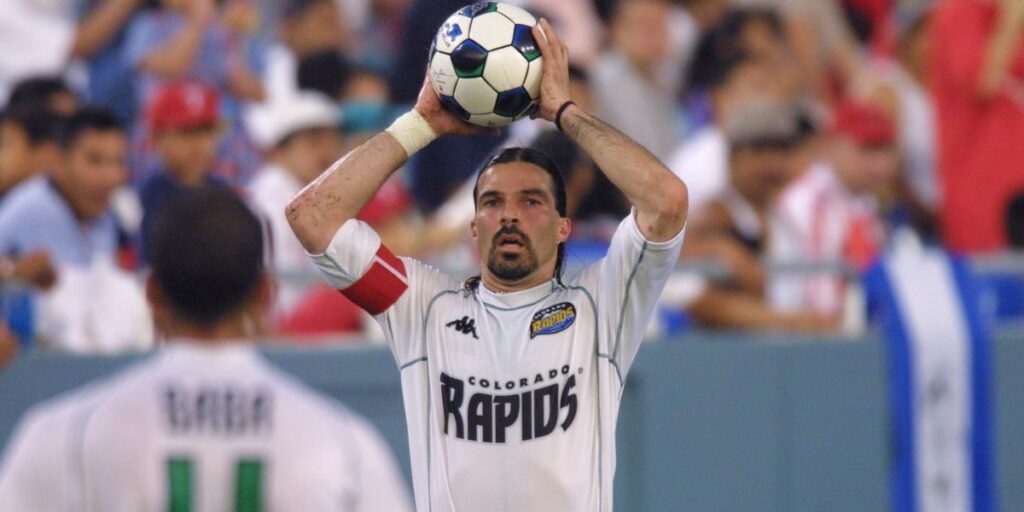
Marcelo Balboa was a key defender for the United States in the 1990s and later became the captain of the national team. He earned his reputation through leadership, toughness, and a long international presence in a period when the U.S. was still trying to earn global respect. Being elected to the National Soccer Hall of Fame reflects how important he was to that era. His strength lies in what he meant to the team and how central he was in defense. The drawback is that defenders from earlier American generations often have less club glamour attached to their name than players who later starred in Europe. Balboa’s standing is secure, but his case is more solid than spectacular.
14. Timothy Weah
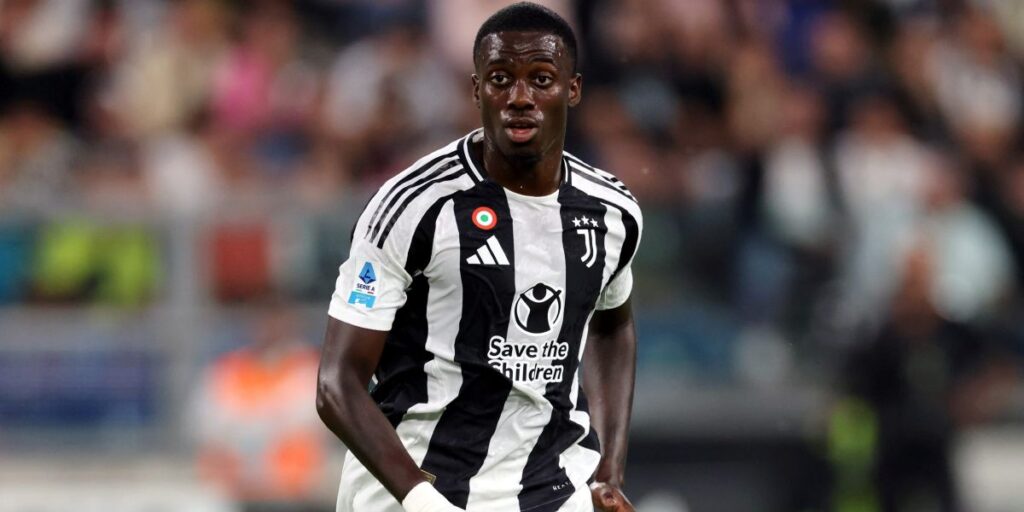
Timothy Weah has the kind of profile that naturally draws attention: top-level pedigree, major clubs, and room to grow. He made his senior debut for Paris Saint-Germain and later played for Lille, while also establishing himself with the United States. His strengths are clear in the source material: he is a forward with high-level experience and comes from a football background that set expectations early. The challenge is that he is still building the body of work needed to match the players above him. He has promise, pace, and pedigree, but his all-time case remains more about potential than completed achievement. That keeps him in the lower half of this ranking for now.
Read also: Trump administration’s visa bond policy puts enforcement and World Cup access in focus
13. Eric Wynalda

Eric Wynalda was one of the first American attackers to make a serious impression and one of the early faces of the sport in the United States. He played professionally in Europe, returned for the launch of MLS, and scored the first goal in league history, which gives him a permanent place in the game’s American story. He was also the U.S. all-time leading scorer until 2008, showing how dangerous he was in his prime. His strengths were directness, a heavy shot, and the ability to create something for himself. The flaw, if there is one, is that later generations eventually passed his numbers and widened the standard for what an elite U.S. attacker could be. He helped set the mark, but others later raised it.
12. Carlos Bocanegra
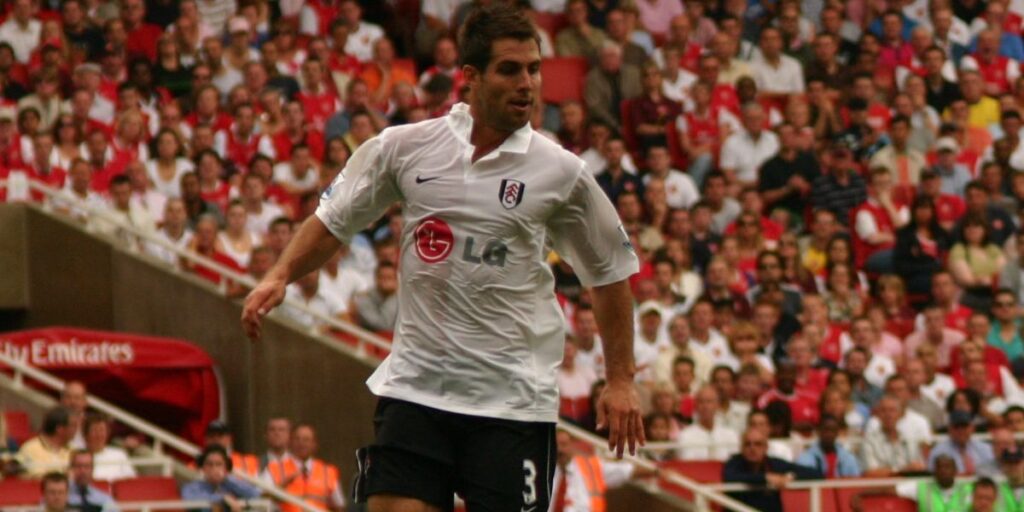
Carlos Bocanegra built a strong career on consistency, leadership, and defensive credibility. A two-time MLS Defender of the Year, he also played in England, Scotland, France, and Spain, which shows both adaptability and a high level of respect across different leagues. He earned more than 100 caps and captained the United States for six years, giving him one of the steadiest international résumés on this list. His strength was not flash but authority, and that made him dependable for a long time. The limitation is that central defenders rarely get the same spotlight as scorers or creative stars, especially in rankings like this one. Bocanegra’s case is excellent, but it is built on control and trust rather than star power.
11. Alexi Lalas

Alexi Lalas remains one of the most recognizable figures in American soccer history, and not just because of the beard and hair. He stood out at the 1994 World Cup, became the first American to play in Serie A, and later won major honors with the LA Galaxy. His strengths were physicality, stamina, and visibility at a time when the sport needed bold personalities in the United States. He also stayed influential after retirement through front-office work and media, which kept his profile high. The weakness in his all-time playing case is that his reputation can sometimes feel bigger than his pure football résumé. He was important and memorable, but not quite as complete or decorated as the players above him.
10. Weston McKennie
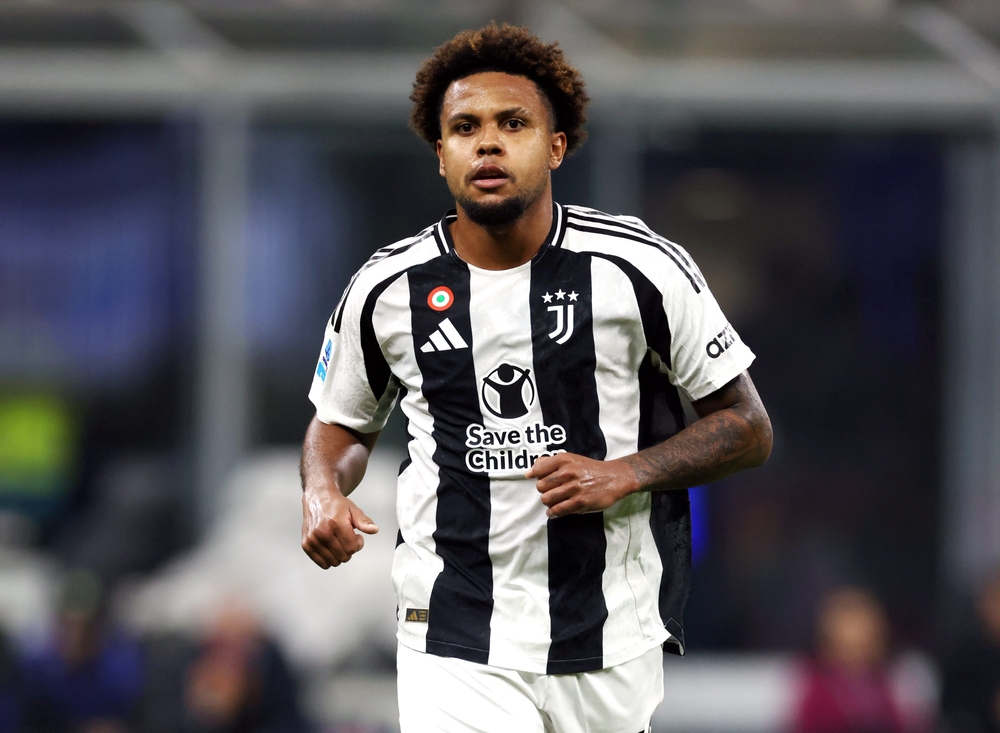
Weston McKennie represents the modern American player: athletic, adaptable, and able to hold his own at a major European club. Playing for Juventus while also serving the national team puts him in elite company by U.S. standards. His biggest strength is his versatility in midfield, where he can operate as a box-to-box player or in a deeper role. That flexibility gives coaches options, but it can also make him harder to define than players with one standout specialty. Compared with the legends higher on the list, his long-term résumé is still taking shape. He clearly belongs in the conversation, though, and his ceiling remains high.
Read also: Jesse Ventura questions Donald Trump’s WWE Hall of Fame induction
9. Brad Friedel
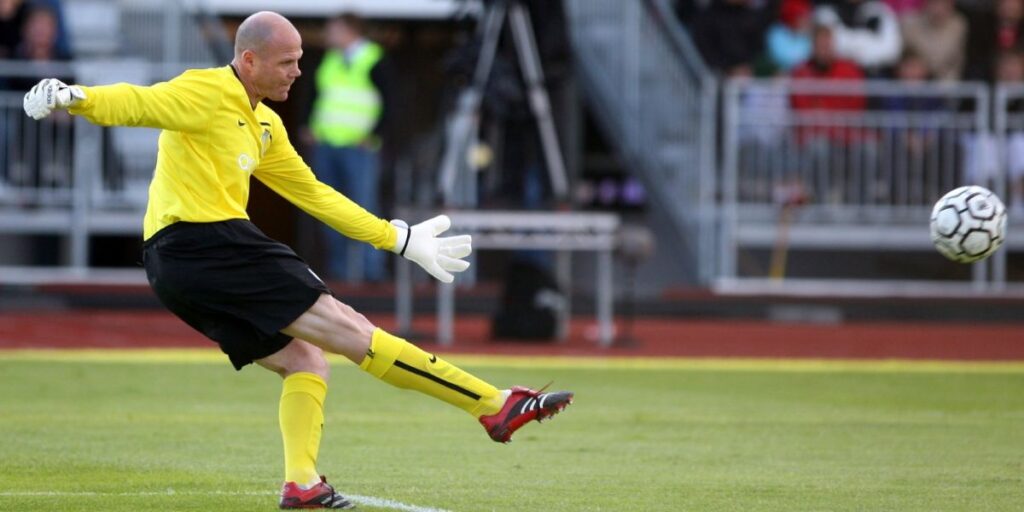
Brad Friedel was one of the great American exports to the Premier League and one of the most durable goalkeepers of his era. His record of 310 consecutive Premier League appearances is remarkable and says everything about his reliability, fitness, and level. He also represented the United States in three World Cups, adding international credibility to an already impressive club career. Friedel’s strength was steadiness over time, which is a rare quality at any level. The slight drawback is that his international résumé does not have the same singular iconic tournament memory that defines some other American stars. Even so, his longevity and consistency make him impossible to leave out of the top 10.
8. Brian McBride
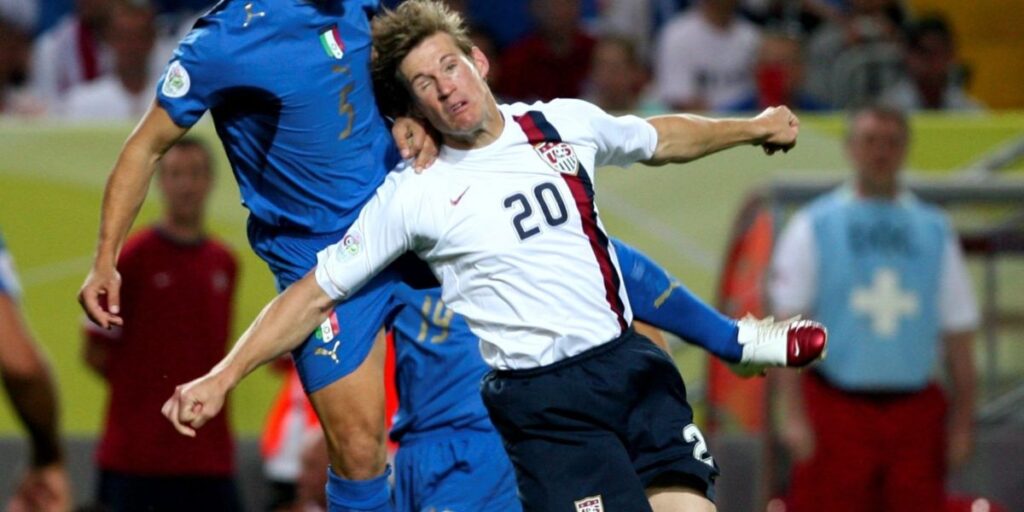
Brian McBride was the classic target forward: tough, dependable, and deeply respected wherever he played. He became a fan favorite and captain at Fulham, twice won the club’s Player of the Season award, and scored enough for the United States to remain one of the country’s leading international scorers. His strength was clear: he offered goals, physical presence, and leadership at a time when the U.S. often needed a focal point up front. He may not have had the flair or versatility of some players ranked above him, but he gave teams a reliable reference point. That slightly limits his ceiling in an all-time ranking. Still, as a proven striker in England and for the national team, his standing is secure.
7. Michael Bradley

Michael Bradley was a central figure for club and country thanks to his intelligence, range, and authority in midfield. He captained Toronto FC and spent time with Borussia Mönchengladbach, showing that he could operate in different football environments. His biggest strength was control: he could dictate tempo, cover ground, and give structure to the team. That said, players in his role rarely collect the kind of highlight moments that push them into mythic territory. Bradley’s profile is strong because of longevity and responsibility rather than because he was the most dynamic player on the field. He was hugely important, even if he was not always the most exciting.
6. DaMarcus Beasley
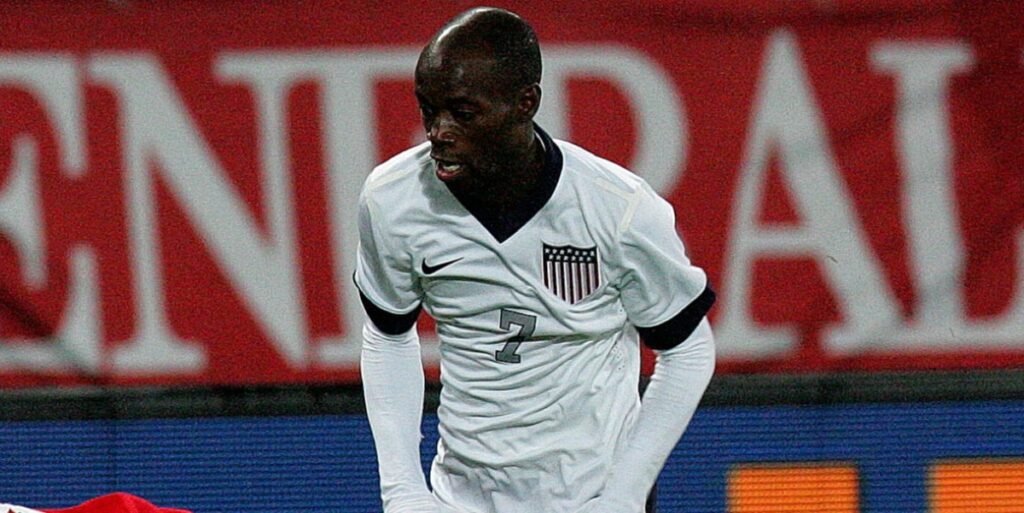
DaMarcus Beasley deserves enormous credit for both his longevity and his adaptability. A naturally left-sided player, he featured as a winger and a wingback, spent a decade abroad in several countries, and became the only U.S. man to play in four FIFA World Cups. That alone makes his career special. His strengths were pace, flexibility, and the ability to remain useful through tactical and generational change. The weakness is that he was not usually the central star of the team in the way top scorers or top playmakers often are. Even so, few American players have matched his durability and range of experience.
Read also: Kim Kardashian shares Tokyo family moments as Lewis Hamilton trip draws attention
5. Claudio Reyna

Claudio Reyna was the kind of midfielder every coach wants: calm, intelligent, and trustworthy in possession. He captained the United States before retiring from international football after the 2006 World Cup, and he is widely regarded as one of the best players the country has produced. His main strength was his command of midfield, where he could bring order and quality without needing to dominate the scoresheet. That elegance also points to the only real limitation in his ranking case. He was more about control than numbers, which can make him slightly less visible in debates shaped by goals and assists. Still, in terms of class and influence, he belongs near the very top.
4. Tim Howard

Tim Howard combined high-level club football with major international moments, which is why he remains one of the most admired American players ever. He played for Manchester United and Everton, became the most capped goalkeeper in U.S. men’s national team history, and set a World Cup record with 15 saves against Belgium in 2014. His strengths were shot-stopping, staying power, and big-stage presence. He also had a rare moment of attacking history when he scored a goal in the Premier League. The only reason he is not even higher is that goalkeepers often depend on team context more than outfield stars do when legacy debates begin. Even so, Howard’s peak and longevity are hard to argue with.
3. Christian Pulisic

Christian Pulisic is the great modern American attacking star, the player who arrived with huge expectations and largely justified them. He broke through at Borussia Dortmund at 17, became the youngest captain of the U.S. national team in the modern era, and has won major individual honors with U.S. Soccer. His strengths are obvious: he can play as a winger or attacking midfielder, he carries creative responsibility, and he has produced from a very young age. The reason he is still behind the top two is simple. Their international résumé is longer and their place in U.S. soccer history is more complete. Pulisic has the talent to climb higher, but this ranking still rewards the full body of work.
2. Landon Donovan
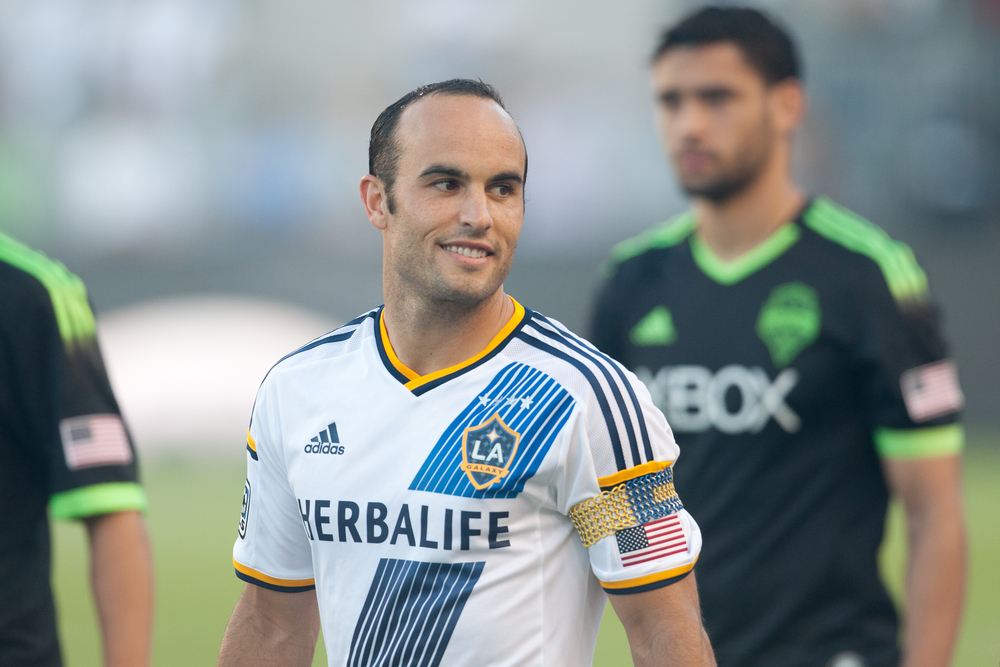
Landon Donovan has one of the strongest claims to be the greatest American men’s player ever, and many fans will still put him first. He is tied as the U.S. all-time leading scorer, stands alone as the national team’s all-time assists leader, and remains the only American man to hit the 50 goals and 50 assists mark. He also won a record six MLS Cups and became the namesake of the league’s MVP award, which shows how much weight his career carries. Donovan’s strengths were end product, intelligence, and the ability to deliver in massive moments, especially at World Cups. The only flaw, if it can even be called that, is that the debate at the very top is incredibly tight. He is an all-time great by any standard, even if this ranking places him just short of No. 1.
Read also: Two Premier League clubs angry Chelsea avoided points deduction
1. Clint Dempsey
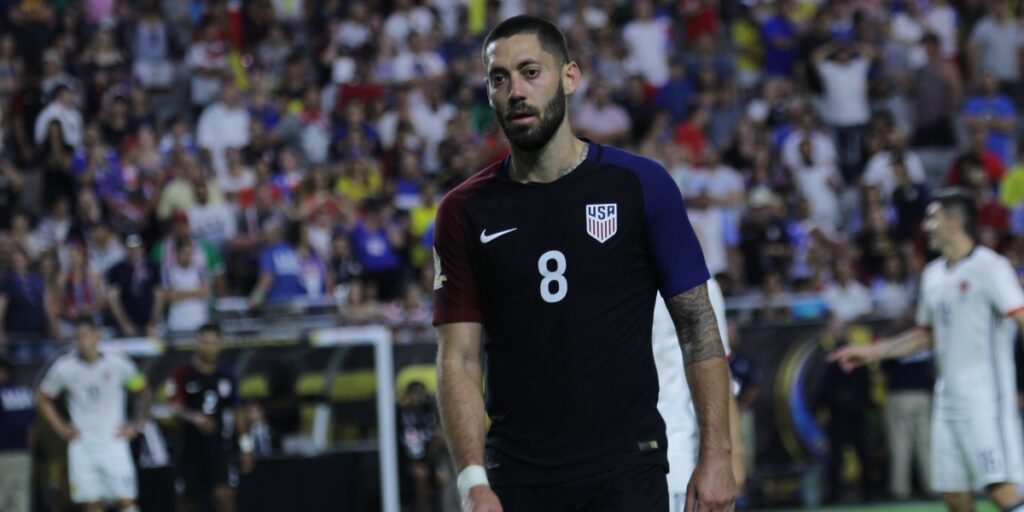
Clint Dempsey gets the top spot because his career mixed edge, production, and personality in a way few American players ever have. He scored 57 goals for the United States, tying Donovan for the all-time lead, and he did it while also becoming the highest-scoring American in a top-tier European league with 72 goals for Premier League clubs. Dempsey starred for Fulham, played for Tottenham, and later delivered for the Seattle Sounders, proving he could lead at different levels and in different settings. His strengths were clear: goals, swagger, big-game nerve, and the ability to play with a mean streak that unsettled opponents. The only real drawback is that his style was not always as polished or universally adored as some others. But that is also part of why he sits at No. 1: he was ruthless, productive, and impossible to ignore.