Penalty shootouts are now one of football’s most familiar and nerve-racking spectacles. But in August 1970, they were an experiment.
That experiment played out in Hull, where a pre-season fixture quietly reshaped how the sport settles its biggest moments.
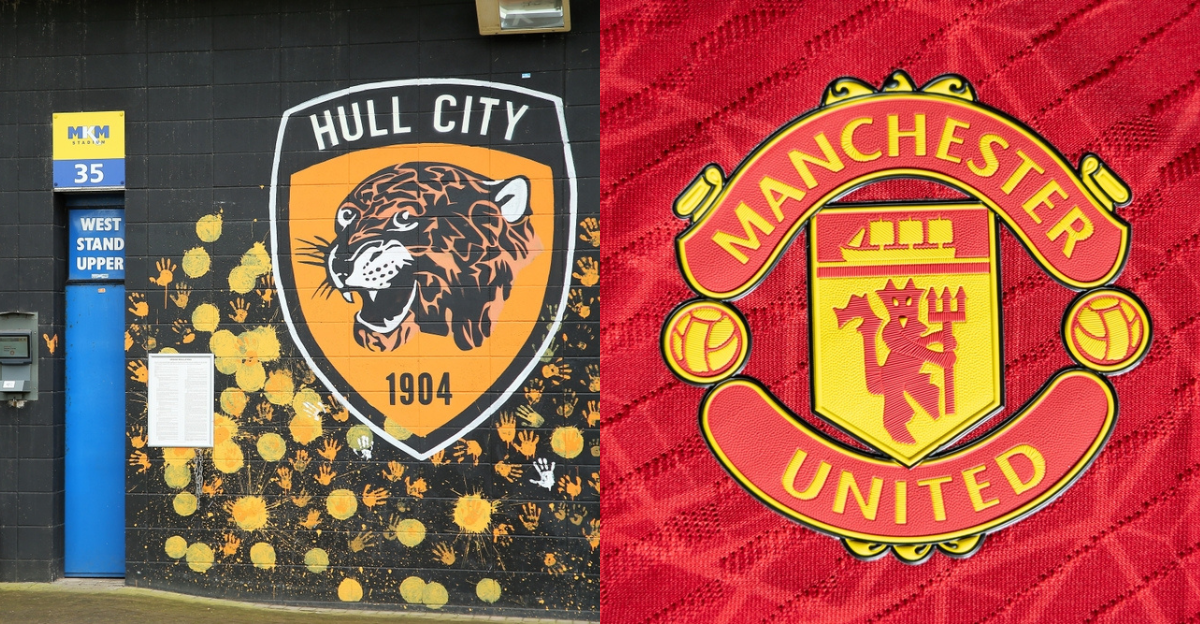
At Boothferry Park on 5 August, Hull City faced Manchester United in a Watney Cup semi-final that ended level after extra time. Instead of a replay or the toss of a coin, the match moved into something entirely new: a penalty shootout.
For 11-year-old fan Martyn Kelly, the significance was obvious even then. Speaking later on BBC Sporting Witness, he remembered the anticipation as George Best stepped forward for the first kick, aware he was watching something unprecedented in the game.
Read also: Kylian Mbappe had just hit top form – now Real Madrid have a problem
From chance to skill
Before 1970, tied knockout matches were often decided by methods many considered arbitrary. Teams replayed matches, drew lots or even relied on coin tosses.
According to BBC Sport, frustration reached a tipping point after Israel were eliminated from the 1968 Olympic football tournament by drawing lots. Israeli officials Yosef Dagan and Michael Almog subsequently proposed a more skill-based solution to Fifa: a structured penalty contest.
Football’s lawmaking body, the International Football Association Board (IFAB), approved the idea in June 1970. Weeks later, Hull and Manchester United provided its first real test in professional football.
A trial under pressure
The occasion carried weight beyond the experiment itself. Manchester United, European champions just two years earlier, arrived with a squad featuring Best, Bobby Charlton and Denis Law.
Read also: Premier League boss breaks silence with damning Manchester City statement
Former Hull player Frankie Banks later described the atmosphere as charged, with the underdogs determined to compete despite the gulf in reputation.
Hull took the lead through Chris Chilton before Law equalised late in normal time. With no winner after extra time, the match moved into unfamiliar territory.
Best converted the first penalty in shootout history. As the contest unfolded, Hull player-manager Terry Neill also scored, keeping the sides level. But the turning point came when Law’s effort was saved by goalkeeper Ian McKechnie a moment Banks noted would secure both men a place in football history.
The cruelty revealed
The drama did not end there. After another Hull miss, McKechnie unexpectedly stepped up to take his side’s decisive kick.
Read also: Kasper Schmeichel finds completely new path after football retirement
Kelly recalled the tension and disbelief among the crowd as the goalkeeper prepared to shoot. His attempt struck the crossbar, sealing a 4-3 victory for Manchester United and bringing the experiment to a dramatic close.
Banks later reflected that the miss stayed with McKechnie, highlighting the emotional weight that would become synonymous with shootouts.
A lasting legacy
What unfolded that evening offered an early glimpse of what penalty shootouts would become: a test not just of technique, but of composure under extreme pressure.
More than five decades later, the format introduced that night remains central to football, deciding World Cups, European Championships and countless domestic ties.
Read also: Andy Murray reveals one major regret about Nadal and Djokovic
For those who witnessed it, the experience left a lasting impression. As Kelly put it, each kick carried a sense of tension that has since become instantly recognisable to players and fans alike.
Sources: BBC Sporting Witness, BBC Sport
Read also: Manchester United told to ‘nick’ two Man City stars if relegation hits