Senators race against the clock
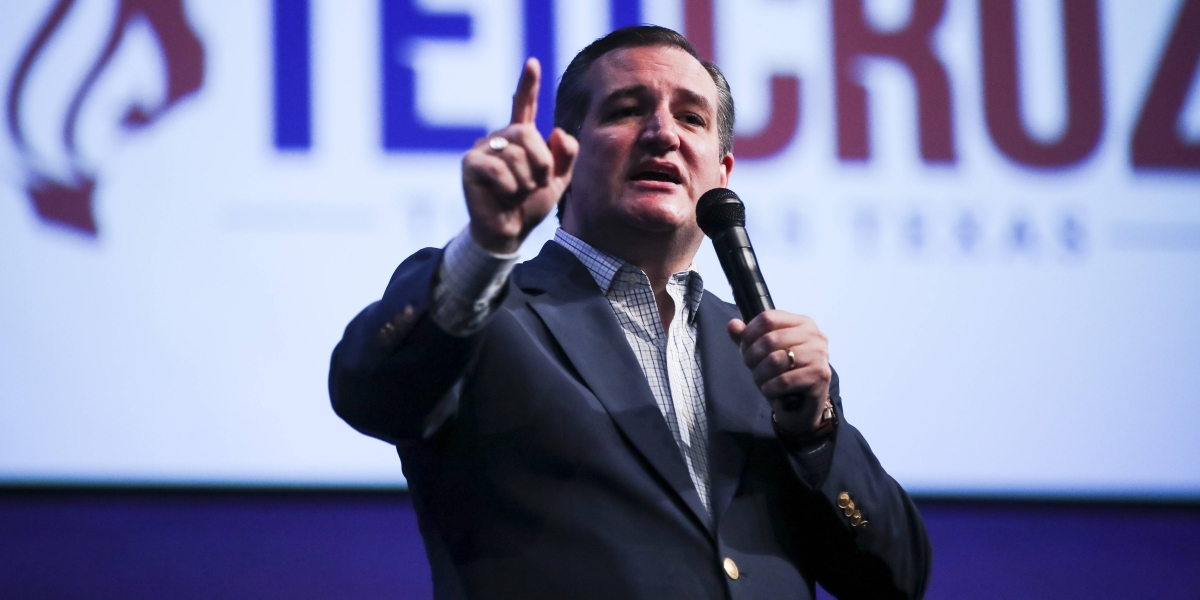
United States senators are holding urgent negotiations with leaders from the SEC and Big Ten over sweeping legislation designed to regulate college sports. Republican senator Ted Cruz of Texas and Democratic senator Maria Cantwell of Washington want the Protect College Sports Act brought to the Senate floor before the chamber begins its summer recess.
The final scheduled day before the break is August 7, leaving lawmakers with only a narrow window to resolve the remaining disagreements. “Those conversations are ongoing,” Cruz said while negotiations continued on Wednesday.
According to an Associated Press report by Joey Cappelletti and Eddie Pells, the Senate will not return for regular legislative business until the second half of September. It is then expected to break again throughout October, leaving little time before the November midterm elections.
New pool could push spending beyond $40 million
The most dramatic concession under discussion is a new retention pool worth more than $20 million per school. Universities could use that money to persuade athletes already on their rosters to remain rather than enter the transfer portal.
Read also: Ole Miss takes two LSU players to court in explosive $950,000 transfer fight
The pool would sit alongside the $21.3 million that schools can currently distribute under the revenue-sharing system introduced for the 2026-27 academic year. Together, the two mechanisms could permit direct athlete spending of more than $40 million annually at the wealthiest programmes.
That does not mean the existing $21.3 million limit has formally been doubled. The current negotiations concern a separate retention fund, and the precise size, eligibility rules and enforcement mechanism have not yet been written into a final public version of the legislation.
The proposal has already been cut
An earlier version of the compromise included a retention pool of as much as $25 million. Of that amount, $5 million would have been reserved for women’s sports, while the remaining money could have been distributed across other programmes.
The latest documents instead refer to a pool worth more than $20 million. It remains unclear whether the reduction would change the amount protected for women’s sports or how schools would divide the money among football, basketball and Olympic-sport athletes.
Read also: ‘A bad idea’: FIFA fast-tracks 64-team World Cup bombshell
As described by an earlier Associated Press report, Big Ten commissioner Tony Petitti said the different payment rules would have to work alongside the existing House settlement. He added that conference officials needed to see the complete legislative language before taking a position.
The House settlement creates a legal minefield
The proposed retention pool must coexist with the House v. NCAA settlement, the $2.8 billion legal agreement that established the current revenue-sharing system. That settlement allows schools to share approximately 22 per cent of specified athletic revenue with their players.
Adding another pool of more than $20 million could significantly change the financial calculations underpinning that agreement. It could also create questions about whether schools are being allowed to spend beyond a limit approved through the federal court process.
Jeffrey Kessler, the lead attorney representing the plaintiffs in the House case, has declined to reach a conclusion without seeing the final bill. “I would have to see the specific provisions of the entire bill to evaluate any issues with the settlement,” he said.
Read also: ‘They completely destroyed me’: Lolo Jones accuses Team USA of risking paralysis
NIL loopholes remain a major concern
The SEC and Big Ten are also demanding clarity over payments made by outside organisations. Although schools face a direct revenue-sharing limit, boosters and other third parties can still enter name, image and likeness agreements with athletes.
Critics claim those arrangements have allowed wealthy programmes to assemble rosters costing far more than the official cap suggests. Conference leaders want to know whether the retention pool would replace some third-party payments, operate alongside them or create another expensive layer in the system.
The distinction could determine whether the proposal controls roster spending or accelerates it. Without enforceable national standards, the richest schools could theoretically combine revenue sharing, retention payments and approved NIL agreements to create vastly larger compensation packages.
SEC and Big Ten still demand legal protection
Two of the largest unresolved issues are federal antitrust protection and the pre-emption of state laws. College conferences have repeatedly argued that they need protection from certain lawsuits if they are expected to enforce national rules on transfers, eligibility and athlete compensation.
Read also: The brutal A$6.9m twist behind the Matildas’ historic World Cup run
They also want federal legislation to override the patchwork of state NIL laws currently governing college sports. Without pre-emption, schools in different states could continue operating under conflicting rules even after Congress passes a national bill.
The latest concession documents did not contain proposed rewrites addressing those demands. That does not mean antitrust and pre-emption provisions are entirely absent from the legislation, but it suggests the SEC and Big Ten have not yet received the changes they consider essential.
‘College sports are at a breaking point’
The Protect College Sports Act was introduced in May by Cruz and Cantwell alongside senators Chris Coons and Eric Schmitt. Its sponsors argue that federal intervention is necessary to stabilise transfers, recruiting, eligibility, NIL payments and revenue sharing.
“College sports are at a breaking point,” Cruz said. “Fans can see their favorite teams being hollowed out by transfer chaos, fake NIL bidding wars, eligibility lawsuits, and a system that allows the richest programs to keep pulling away.”
Read also: ‘Money has no smell’: Saudi Arabia’s $75m esports spectacle takes over Paris
According to the Senate Commerce Committee’s official announcement, the legislation is also intended to preserve women’s and Olympic sports while creating enforceable national protections for athletes. Cantwell said the bill must control rapidly increasing costs without eliminating legitimate NIL rights or direct revenue sharing.
Super league threat enters negotiations
Lawmakers have also revised language governing conference expansion. The latest proposal would reportedly allow conferences to grow to as many as 19 members, offering greater flexibility as realignment continues across college sports.
Another provision is intended to prevent private-equity investors from paying schools to break away and form a new super league. The conferences may still request changes to ensure that the restriction does not interfere with ordinary investment or media-rights agreements.
The bill would also provide greater flexibility over requirements governing the number of women’s and Olympic-sport programmes maintained by certain universities. That issue is particularly sensitive because critics fear escalating football costs could lead schools to cut less profitable teams.
SEC and Big Ten cannot decide the vote
The SEC and Big Ten possess enormous influence, but they do not have formal authority to approve or reject federal legislation. Their support could nevertheless help the bill attract senators from states containing some of the country’s most powerful universities.
The legislation has already cleared the Senate Commerce Committee by a bipartisan vote of 19-9. It is now eligible for a full Senate vote but would require 60 votes to overcome the chamber’s usual procedural threshold.
As reported by The Texas Tribune, resistance from major conferences and disagreements among members of Congress could still derail Cruz’s timetable. No floor vote had been officially scheduled when the latest negotiations were reported.
The transfer market could be transformed
The retention pool could fundamentally change how universities approach the transfer portal. Instead of relying primarily on coaches, scholarships and outside NIL collectives, schools would have a substantial new fund specifically designed to prevent players from leaving.
Supporters believe the money could create stability and give athletes a transparent incentive to remain at their current schools. Opponents may argue that the proposal amounts to a second compensation system that favours the richest programmes and further separates the SEC and Big Ten from the rest of college sports.
With more than $40 million potentially available through revenue sharing and retention payments, the stakes extend far beyond one Senate vote. The final agreement could determine whether college athletics develops a controlled national compensation system or moves closer to an openly professional transfer market.