A new FIFA rule for the 2026 World Cup, which penalizes players for covering their mouths during confrontational exchanges, has ignited debate after Paraguay’s Miguel Almiron became the first player to be sent off under its provision. The incident occurred during a heated clash against Turkey, prompting questions about the rule’s application, even as England’s Jude Bellingham avoided sanction for a similar action.
The law, introduced at the request of FIFA president Gianni Infantino, allows for a red card if a player hides their mouth while speaking to an opponent in a confrontational situation. Its intent is to promote respect and transparency on the field, following incidents like Benfica winger Gianluca Prestianni receiving a six-match ban from UEFA for homophobic conduct towards Real Madrid’s Vinicius Jr in February.
Almiron’s dismissal and Bellingham’s reprieve
Miguel Almiron’s red card came at the weekend during a melee between Paraguay and Turkey players after Paraguay’s Isidro Pitta went to ground. The video assistant referee (VAR) intervened, advising a red card for Almiron who had covered his mouth while speaking to Turkey’s Mert Muldur amidst the heated exchange. Almiron subsequently received a one-game ban, meaning he will miss Paraguay’s final group game against Australia. The ban could have been longer had there been evidence of abusive language, according to BBC Sport.
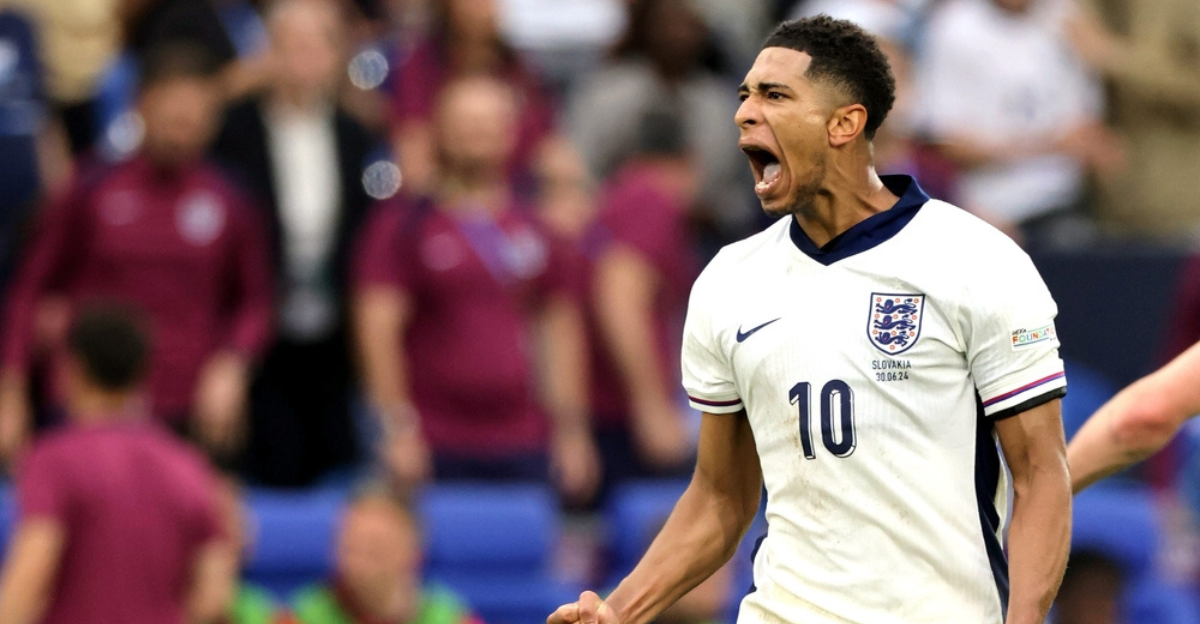
In contrast, England midfielder Jude Bellingham was not shown a red card during Tuesday’s 0-0 draw between England and Ghana in Boston, despite a picture circulating of him covering his mouth while talking to Ghana’s Jordan Ayew. VAR reviewed the incident but found no grounds for dismissal. The key difference, as later clarified, was the nature of the conversation; there was no animosity between Bellingham and Ayew, and it was deemed a friendly exchange.
Read also: McGregor speaking about his PED problems: “If you're gonna ask what I was on, I don't even know"
FIFA clarifies the rule’s intent
FIFA’s head of referees, Pierluigi Collina, explained the nuance of the new regulation. “Players can continue to cover their mouth with an arm and the shirt because they may chat with friends. It’s normal to a chat before, during or after the match. So if the conversation is a friendly conversation, they can continue to do it without any problem,” Collina stated. “When the conversation is confrontational, covering the mouth means that you are doing something very wrong, potentially, and the sanction is the red card.”
FIFA president Gianni Infantino reinforced the rule’s importance following Almiron’s dismissal. “This thing about covering the mouth is for us a very, very important rule. It’s about respect. It’s about the example that we should give. If you have nothing to hide, you don’t cover your mouth when you speak to somebody. The rules have been made very clear to everyone,” Infantino told SNTV.
Currently, the mouth-covering law is an opt-in regulation, meaning individual competitions can choose whether to implement it. As of now, it is only being used at the World Cup, raising questions about its potential adoption in domestic leagues given the complexities of its application.
Read also: Jack Wilshere reveals why he was too scared to ask Lionel Messi for his shirt
Read also: Mourinho asks Real Madrid for one more defender and a new midfield brain