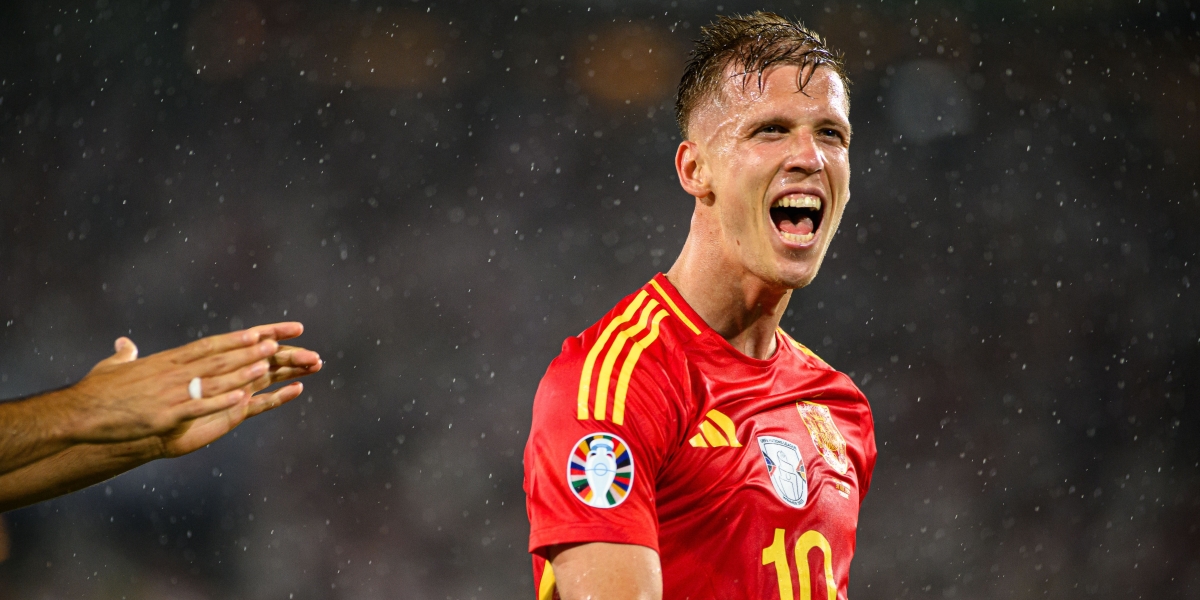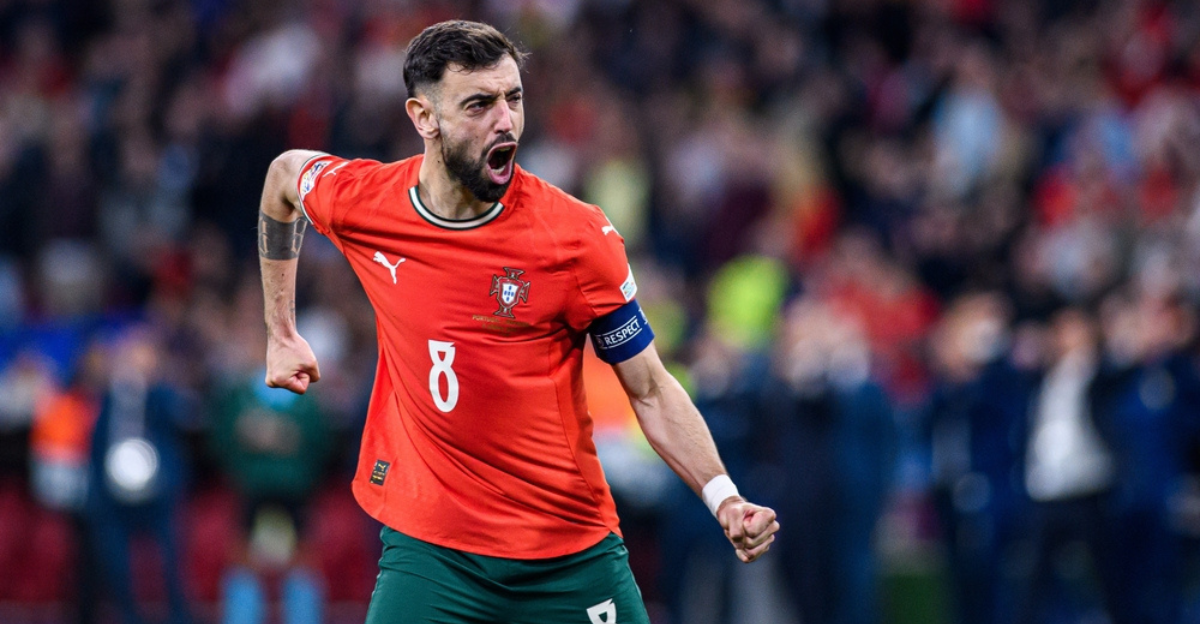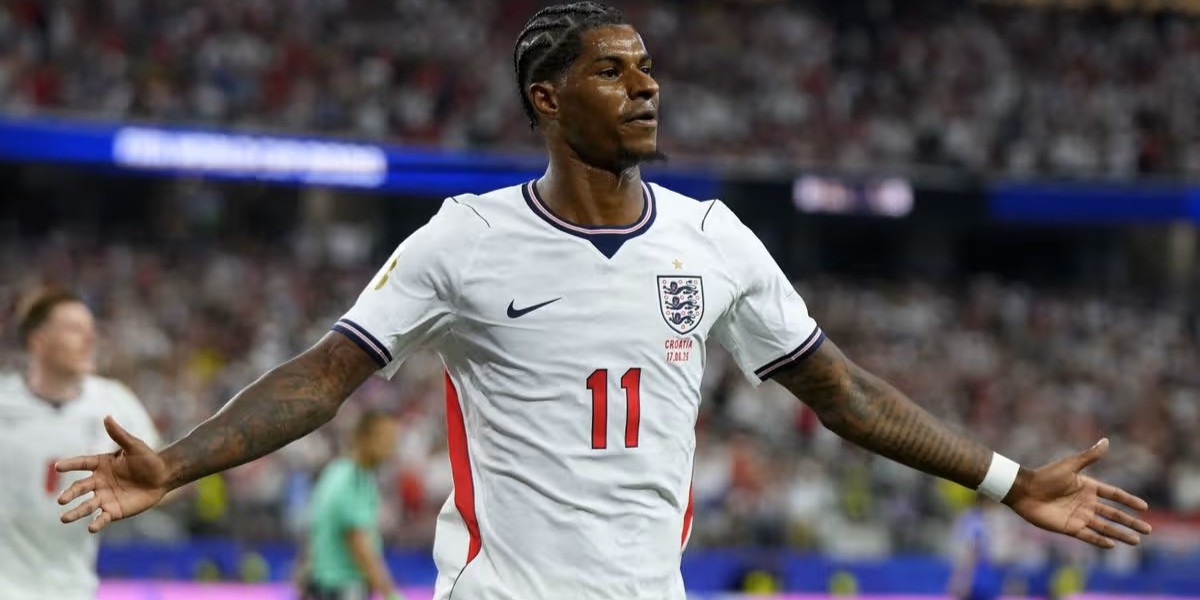
As the curtain falls on a captivating 2026 FIFA World Cup group stage, which saw 72 matches played across the globe, the focus now shifts to the knockout rounds beginning Sunday with South Africa vs Canada. Before the round of 32 kicks off, Opta Analyst has unveiled its statistically-driven Best XI from the group stage, highlighting standout performers who excelled under pressure.
The selection features a blend of established superstars and emerging talents, with surprising inclusions from nations like Cape Verde and Ghana, who defied expectations.
Veteran presence and defensive solidity
In goal, 40-year-old Vozinha of Cape Verde earns his spot after an exceptional group stage campaign that saw his nation progress to the knockouts. His heroics included a stellar performance against Spain on Matchday 1 and a crucial 0-0 draw against Saudi Arabia. Vozinha’s ‘goals prevented’ statistic of 1.4 was second only to Angus Gunn (1.5), and only Spain’s Unai Simón kept more clean sheets.
The defence features a mix of robust tackling and astute passing. Ghana’s right-back Marvin Senaya delivered arguably the finest defensive display by any full-back against England on Matchday 2, effectively nullifying Barcelona’s €80 million signing Anthony Gordon. Senaya’s 18 tackle attempts were the most of any player in the tournament, winning 24 of his 38 duels with a ‘true tackles’ success rate of 72.0%.
Read also: Harry Kane breaks silence on Man City verdict
Cape Verde’s Diney Borges partners Spain’s teenage sensation Pau Cubarsí at centre-back. Borges tallied 31 clearances, the second most among all outfielders, and won 68% of his duels. Cubarsí, just 19, demonstrated remarkable composure, misplacing only five of his 294 passes and registering 16 possession regains, a figure bettered by only three other centre-backs. On the left, Japan’s wing-back Keito Nakamura, currently with Reims in Ligue 2, proved a potent attacking force. He scored Japan’s first goal against the Netherlands and assisted their opener against Tunisia, completing five of his seven dribbles and contributing nine shot involvements.
Midfield engines and attacking maestros
In central midfield, the United States’ Weston McKennie and Ecuador’s Pedro Vite form a dynamic duo. McKennie, a key figure for co-hosts USA, created seven chances from open play, a testament to his consistent impact even as his side lost 3-2 to Türkiye. Vite, 24, a product of Independiente del Valle’s academy now playing for Pumas, was instrumental in Ecuador’s progression. He created eight chances from open play, recovered possession 29 times (matching Rodrigo Bentancur), and ranked third for tackle attempts with 14.
The attacking trident is predictably star-studded, featuring three of football’s most prolific forwards. Argentina’s 39-year-old captain Lionel Messi, who plays in MLS, made history by becoming the first player to score in seven successive World Cup games. Despite starting on the bench against Jordan, he netted his sixth goal of the tournament, giving him a two-goal cushion over any other player ahead of the knockouts.
Brazil’s Vinícius Júnior etched his name in the record books by becoming only the fifth Brazil player to score in all three group matches of a single World Cup, joining legends like Jairzinho (1970), Romário (1994), Ronaldo (2002), and Rivaldo (2002). His four goals also tied the record for the most by a Brazil player in a group stage. Upfront, Norway’s Erling Haaland, despite being rested for the final group game, notched four goals in his two outings, second only to Messi. His 40% shot conversion rate highlights his clinical edge.
Read also: Phil Taylor comes out of retirement for stunning darts return
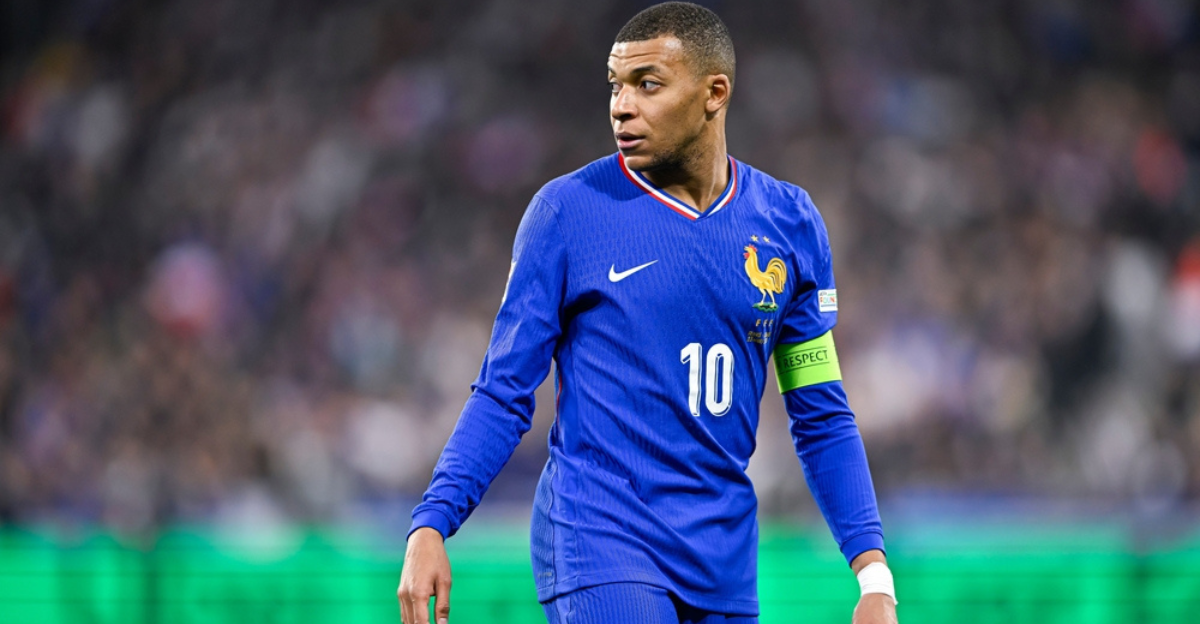
Completing the XI is France’s Kylian Mbappé, who scored a brace against Iraq and provided two assists against Norway. His 16 overall World Cup goals place him behind only Messi (19), and his six goal involvements this tournament match the Argentine’s tally, underlining his immense influence.
The knockout stage promises more drama, with these players having set a high bar for individual brilliance.
Read also: ‘If you lie to me, I will leave’: Guardiola’s City warning takes on new weight