England’s 60-year wait for another men’s World Cup title will continue after Thomas Tuchel’s side surrendered a late lead in a dramatic 2-1 semi-final defeat to Argentina.
Anthony Gordon put England ahead in the 55th minute at Atlanta Stadium, leaving the Three Lions within touching distance of their first World Cup final since 1966.
The momentum soon shifted, however. England retreated into a deeper defensive shape as Argentina increased the pressure, with Tuchel introducing several defenders in an attempt to protect the advantage.
Enzo Fernández equalised with a powerful long-range strike in the 85th minute before Lautaro Martínez headed home Lionel Messi’s cross in the second minute of stoppage time.
Read also: Harry Kane breaks silence on Man City verdict
According to TV 2 Sport’s live coverage of the semi-final, the defeat extended England’s painful history of falling short at the latter stages of major tournaments.
England also lost World Cup semi-finals against West Germany in 1990 and Croatia in 2018, while the country’s only men’s major international trophy remains the 1966 World Cup.
Rooney questions England’s reaction
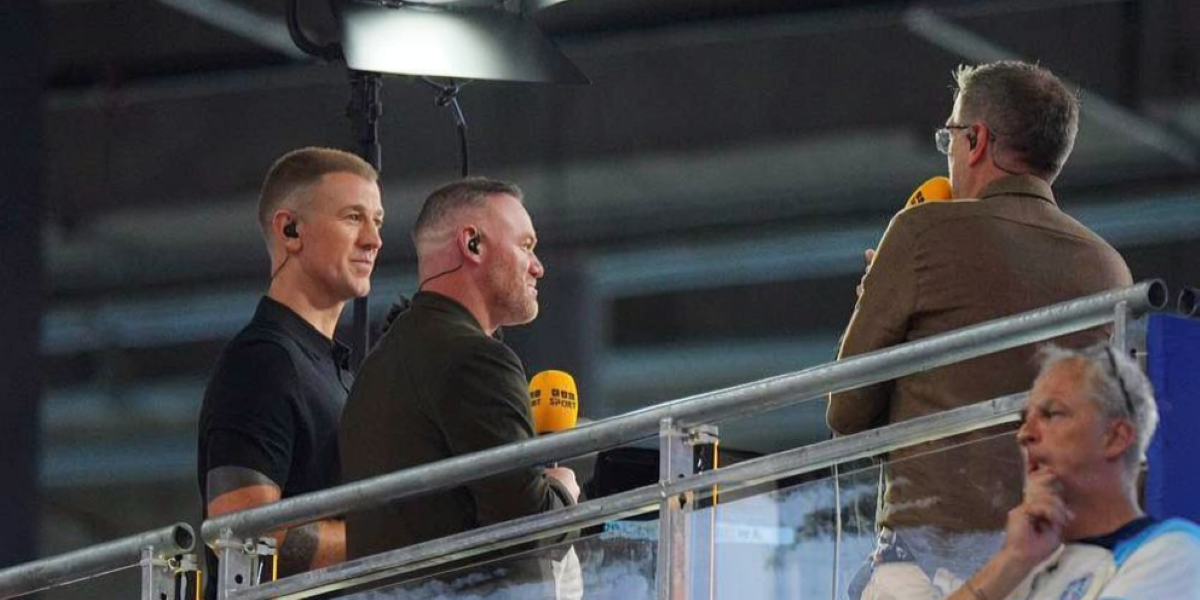
Former England captain Wayne Rooney was particularly critical of the way Tuchel’s side responded after Gordon’s opening goal.
“We got ourselves in such a good position and we didn’t know what to do,” Rooney said during the BBC’s post-match coverage, as quoted in Yahoo Sports’ report on England’s defeat.
Read also: Phil Taylor comes out of retirement for stunning darts return
“We sat back, allowed them to come on to us. They put us under pressure and we cracked. As soon as they got the first goal, it was inevitable they’d get the second.
“When you go on top, you have to stay on top. We go 1-0 up, then sit back, make changes, go five or six at the back. If you allow Messi and Argentina to come onto you, you’re asking for trouble.”
Tuchel replaced goalscorer Gordon with defender Ezri Konsa in the 72nd minute. Dan Burn and Nico O’Reilly were later introduced for Reece James and Declan Rice as England attempted to withstand Argentina’s growing pressure.
The changes left England without a consistent attacking outlet. Between Gordon’s goal and Martínez’s winner, Tuchel’s side recorded just 12 per cent possession.
Read also: ‘If you lie to me, I will leave’: Guardiola’s City warning takes on new weight
Shearer admits Argentina deserved victory
Alan Shearer also questioned England’s game management but conceded that Argentina had been the stronger side.
“I think the better team won,” Shearer said on BBC One.
“You have got to be open and honest about it. Their reaction was brilliant; they hit the post a few times and England got lucky. How they didn’t panic, how they stuck to their game plan, how they believed in what they were doing, and they did it.”
The former England captain also praised Argentina coach Lionel Scaloni for making changes that altered the course of the match.
Read also: Harry Kane’s Bayern future suddenly comes with a Tottenham escape route
“The substitutions worked for them and you have to respect the way they came back into the game,” Shearer added. “They deserve to be in the final on Sunday as much as it hurts to say that.”
Tuchel defended his decision to switch to a back five, explaining that Argentina had begun creating too many opportunities from crosses and aerial balls.
However, he also accepted responsibility for the result and admitted England had become too passive after taking the lead.
Argentina will now face Spain in the World Cup final, while England must recover for the third-place play-off against France.
Read also: ‘I’m not confident’: Red Bull chief delivers troubling verdict on Verstappen’s car
For England, the defeat represents another missed opportunity and raises familiar questions about the team’s ability to control decisive matches after moving into a winning position.