A body that would not continue
Novak Djokovic’s defeat to Mariano Navone was historic for reasons extending far beyond the result.
The 39-year-old lost 7-6(5), 5-7, 4-6, 6-2, 6-1 in the opening round of the US Open, marking his first first-round defeat at a Grand Slam since the 2006 Australian Open. It was also the first time in 20 appearances that Djokovic had lost his opening match in New York.
During the four-hour-and-36-minute contest, he vomited, struggled with cramps and received treatment for pain in his back and shoulder. At 1-3 in the deciding set, he was visibly emotional.
“It was an awful feeling on the court for me,” Djokovic said, according to the ATP. “Then my whole body starts to collapse, basically cramping and pain.”
Read also: Dana White missed Fury vs Joshua’s kickoff
Djokovic admitted that he considered stopping. Yet once he had survived the third set, he decided that he wanted to finish the match.
That decision carries additional significance when viewed through one of the defining conflicts of his early career.
“I think he’s a joke”
In 2006, Djokovic faced Stan Wawrinka during a Davis Cup tie between Serbia and Switzerland. The young Serbian required several medical breaks before eventually winning the match.
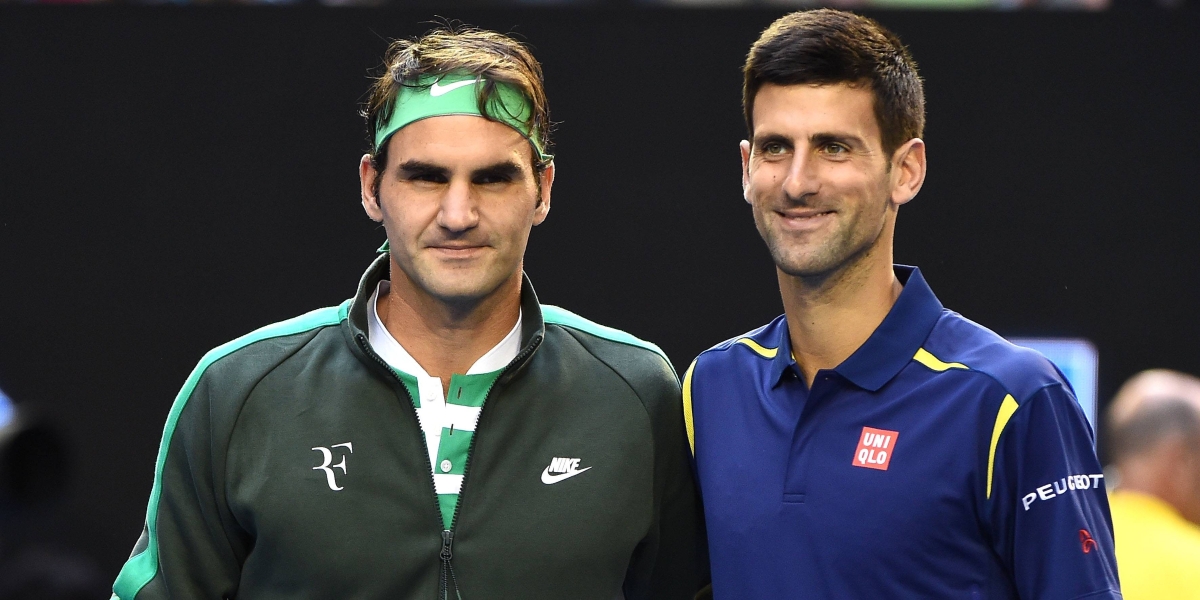
Roger Federer was unimpressed.
Read also: Leeds will receive huge compensation from Manchester City
“I don’t trust his injuries. I’m serious,” Federer said at the time. “I think he’s a joke, you know, when it comes down to his injuries.”
Djokovic had developed a reputation for physical problems and mid-match retirements. During the earlier stages of his career, he withdrew from Grand Slam matches because of breathing difficulties, exhaustion, stomach problems and other ailments.
The criticism did not disappear quickly. Djokovic later acknowledged that Federer “didn’t like” his behaviour when he arrived on the tour. However, he also said the resistance he encountered from established stars gave him additional motivation.
“That was fuelling me even more,” Djokovic explained in 2024, when revisiting his difficult relationship with Federer and other leading players.
Read also: Huge Super League twist as Real Madrid head back towards old allies
There is no evidence that Djokovic was thinking about Federer’s words while struggling against Navone. Nevertheless, the episode provides important context for the identity Djokovic has spent two decades constructing.
He went from being portrayed as the talented player who could not always finish matches to becoming arguably the greatest physical survivor tennis has known.
Two rivals and two very different farewells
The timing of Djokovic’s collapse creates a remarkable contrast.
Only shortly before the match, Federer was inducted into the International Tennis Hall of Fame. The Swiss spoke with peace and gratitude about a playing career that is now definitively behind him.
Read also: Zidane is in focus, Deschamps is in the dark
“My time as a player is done, but tennis will always stand at the intersection of everything I care most about,” Federer said during the ceremony.
While Federer celebrated a completed career, Djokovic was still fighting against the conclusion of his own.
One man cried while being welcomed into history. The other fought back tears as his body prevented him from controlling the present.
The reputation Djokovic spent 20 years rewriting
Djokovic’s physical transformation became one of the central stories of his career. Changes to his diet, preparation and recovery helped turn a player once questioned for retiring into the most successful men’s Grand Slam competitor of all time.
Read also: Harry Kane’s Ballon d’Or response says plenty without saying much
That history makes his refusal to stop against Navone more revealing than an ordinary act of sportsmanship.
Retiring would have been understandable. Djokovic was unwell, in pain and almost certainly heading towards defeat. Continuing offered little realistic hope of changing the result.
But Djokovic has spent much of his career escaping the image Federer attached to him in 2006. Endurance became part of his competitive identity, alongside his return of serve, flexibility and capacity to win matches from seemingly impossible positions.
Against Navone, his body finally imposed a limit his will could not overturn.
Djokovic finished the match, but he could not defeat the uncomfortable question it left behind: how much longer can the game’s greatest survivor continue when survival itself has become the challenge?