According to Ekstra Bladet, the controversy surrounding Argentina’s dramatic 3-2 victory over Egypt in the 2026 FIFA World Cup has fuelled widespread debate, with several leading football journalists arguing FIFA has opened the door to conspiracy theories following a string of contentious decisions.
The biggest flashpoint came when Egypt had what would have been a 2-0 goal ruled out after a lengthy VAR review identified a foul earlier in the attacking phase. Later, Egypt were also denied a penalty after Mohamed Salah went down under a challenge from Julián Álvarez, with referee François Letexier and the VAR deciding no foul had been committed.
The decisions sparked outrage among Egypt’s players and coaching staff following their elimination.
FIFA explains controversial VAR decisions
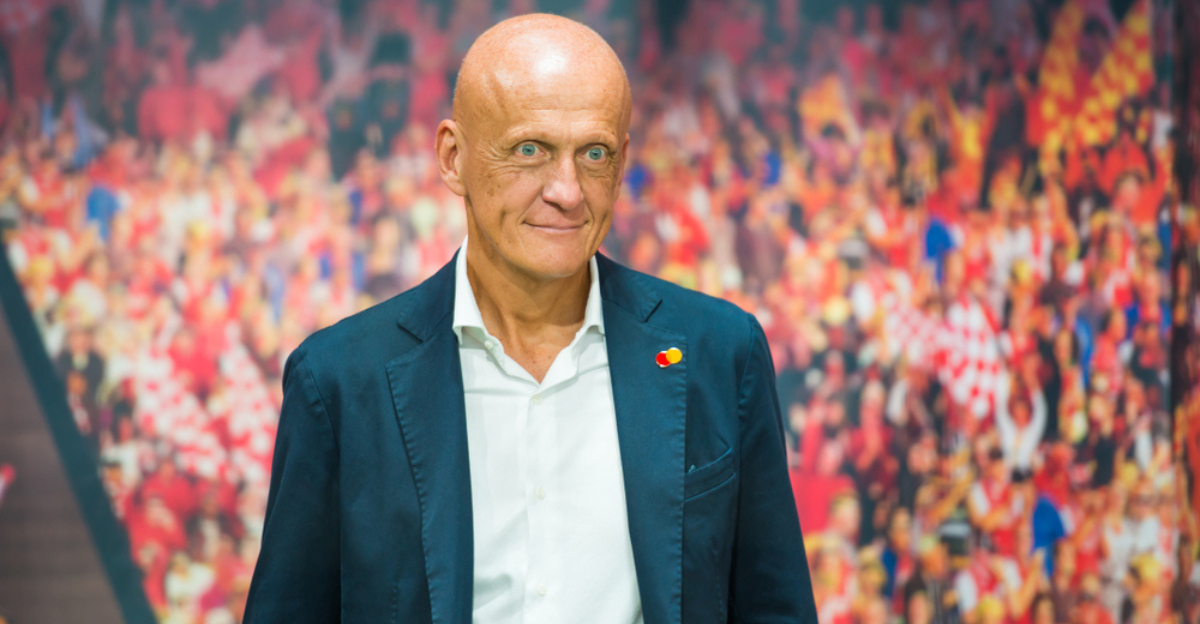
In response to the criticism, FIFA’s Head of Refereeing, Pierluigi Collina, defended the officials’ decisions in comments published on FIFA’s official website.
Read also: ‘If you lie to me, I will leave’: Guardiola’s City warning takes on new weight
Collina explained that every goal is automatically checked by VAR, including the entire attacking possession phase (APP), with no limit on how far back officials can review play if a foul directly contributes to a goal.
“We believe that a foul is a foul,” Collina said.
“Regardless of whether the foul appears obvious or not, VAR can intervene if the referee has not seen it on the field.”
Regarding Egypt’s disallowed goal, FIFA maintained that Marwan Attia stepped on Lisandro Martínez’s foot during the build-up, meaning the goal could not stand under the current Laws of the Game.
Read also: Harry Kane’s Bayern future suddenly comes with a Tottenham escape route
Collina also addressed Egypt’s late penalty appeal, saying the challenge between Salah and Álvarez was judged to be “normal football contact” rather than a punishable offence.
Debate continues despite FIFA explanation
Despite FIFA’s defence of the officials, the controversy shows little sign of disappearing.
As highlighted by Ekstra Bladet, commentators across Europe believe the governing body has created an environment where controversial refereeing calls inevitably lead to accusations of bias. Football Channel journalist Olof Lundh argued that FIFA itself had “opened the door to conspiracy theories” following its earlier decision to overturn Folarin Balogun’s suspension before the United States’ Round of 16 clash with Belgium.
Meanwhile, other analysts suggested the issue lies more with the VAR system than with the referees applying it, as lengthy reviews of incidents far earlier in attacking moves continue to divide opinion.
Read also: ‘I’m not confident’: Red Bull chief delivers troubling verdict on Verstappen’s car
While Collina insists the officials correctly followed FIFA’s protocols, the governing body’s explanation has done little to calm the debate surrounding one of the most controversial matches of the tournament so far.
Read also: Man City hit back at Premier League with explosive accusation