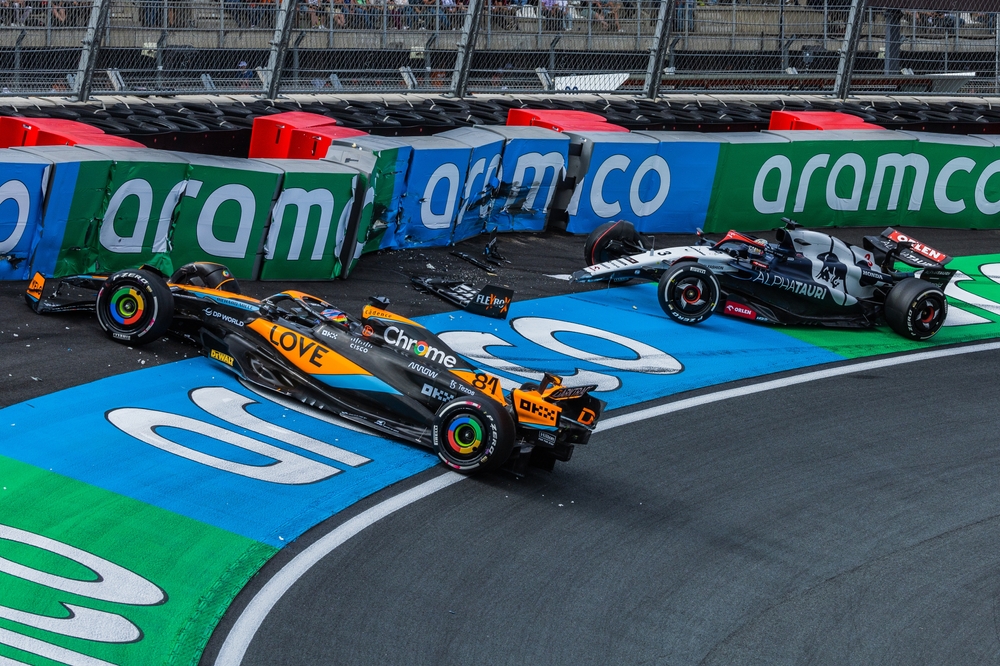
Max Verstappen never completed a lap of his home Grand Prix. The Red Bull driver dipped a wheel onto the painted line at the banked final corner on the opening lap, hit the wall and triggered a red flag that stopped Zandvoort’s goodbye almost before it began.
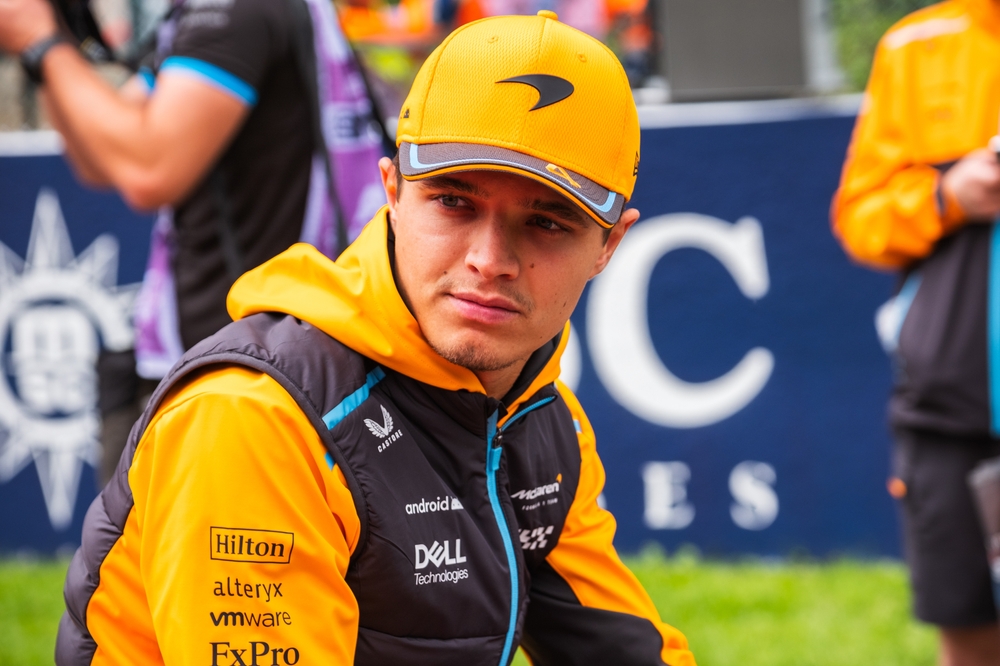
Lando Norris took the win in the restart, ahead of Kimi Antonelli and George Russell. The scoreboard mattered for the championship. It changed nothing about the race’s future.
The Dutch Grand Prix is off the calendar after 2026 because its promoter chose to stop. When Formula 1 offered a longer extension, Zandvoort signed only for one more year and set the exit date itself. That decision, not the on-track drama, is the story of the weekend.
The only race without a state cheque
Zandvoort and Silverstone occupy a category of two in modern Formula 1. Both are privately promoted, both stage a Grand Prix without public money behind them, and both compete against venues that treat the hosting fee as a line in a tourism budget.
Read also: Harry Kane breaks silence on Man City verdict
Circuit director Robert van Overdijk has spelled the problem out in blunt terms. He told Motor Sport Magazine that Zandvoort and Silverstone are “the only races that have to operate without any government support”, and that the Dutch GP needed a full house on all three days simply to break even.
A full house is no longer enough. Liberty Media’s average hosting fee climbed from around $31 million in 2019 to $43 million in 2025, a nominal jump of nearly 40% (about 12% in real terms once inflation is stripped out) that state-backed events in the Middle East and Las Vegas absorb as a rounding error. A private promoter selling every ticket at a small coastal circuit cannot.
Local taxes tightened the vice. A municipal “fun tax” added a few euros to every ticket, and a proposal to raise VAT on event tickets from 9% to 21% would have been fatal.
No dunes to build on
The site is the other constraint. Zandvoort sits between the North Sea dunes and a resort town on the Dutch coast, and there is nowhere to put the paddock club expansions, corporate pavilions and hospitality villages that generate the margins on modern race weekends.
Read also: Phil Taylor comes out of retirement for stunning darts return
That is why van Overdijk turned down the rotation model Formula 1 has floated for its European venues. Sharing the calendar with another circuit every second year would have kept the Dutch GP alive on the schedule but would not have closed the gap between what Zandvoort can earn from three days of racing and what the sport now charges to appear.
“We close the door ourselves”
Sporting director Jan Lammers has framed the ending as a decision rather than a defeat.
“We’ve created something no one can ever take away from us,” he wrote in an open letter to fans around the announcement.
“In 2026, we’ll close the door ourselves. But what we’ve built will live on in the memories of millions of fans.”
Read also: ‘If you lie to me, I will leave’: Guardiola’s City warning takes on new weight
The numbers back the second half of that claim. Nearly two million spectators have passed through the gates since the race returned in 2021 after a 36-year absence. Six editions delivered a home world champion, a signature banked corner and one of the loudest crowds on the calendar.
Sunday, with Verstappen out of his own race by the end of lap one, was a strange goodbye. The paperwork had already ensured it would be the last.
Read also: Harry Kane’s Bayern future suddenly comes with a Tottenham escape route