A record night in Kansas City
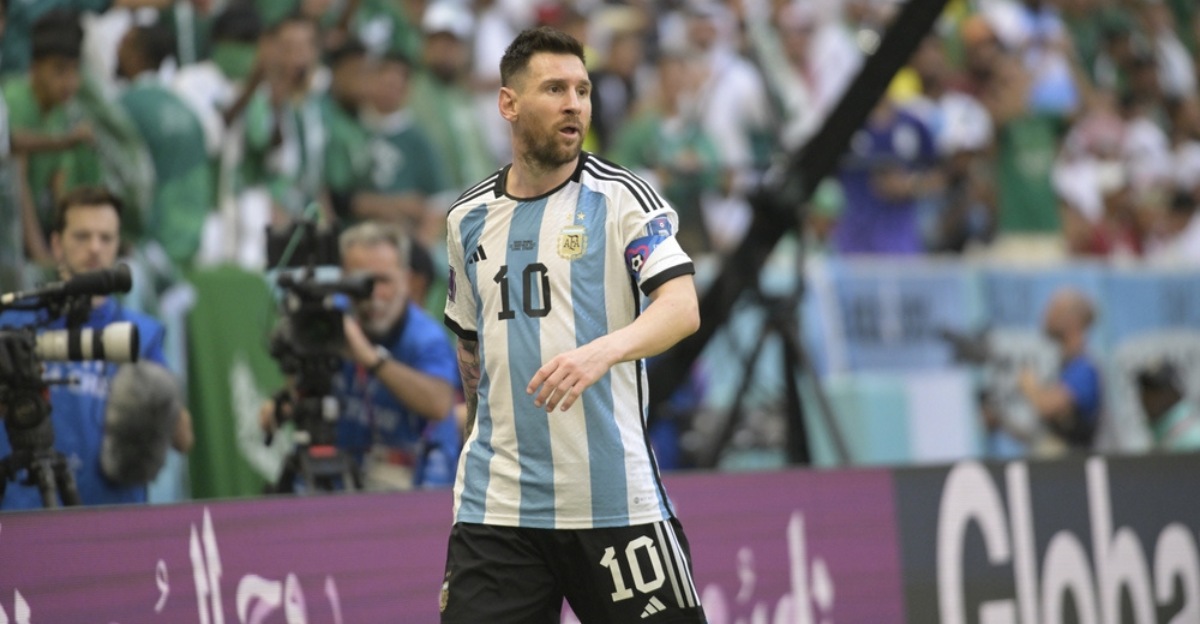
Lionel Messi began Argentina’s World Cup defence with another entry in the history books, scoring all three goals in a 3-0 win over Algeria in Kansas City.
According to FIFA’s official match report, Messi scored in the 17th, 60th and 76th minutes as Argentina opened their Group J campaign with a controlled victory.
The night was historic even before the goals. Messi became the first player to appear in six editions of the men’s World Cup, extending a tournament career that began in 2006. His hat-trick then took him to 16 World Cup goals, level with Germany’s Miroslav Klose at the top of the men’s all-time scoring list.
That record has since moved again. As reported by Digi24 in its article on Messi becoming the World Cup’s leading scorer, Messi later scored against Austria to move beyond Klose.
Read also: Thierry Henry reacts to Neymar's long-awaited Brazil comeback
The challenge that sparked controversy
The celebration around Messi’s performance was followed by debate over a first-half incident involving Algeria defender Aïssa Mandi.
According to Sebastian Eduard in Digi24’s report on Patrick Ittrich’s comments, the incident came in the 31st minute, when Messi caught Mandi on the back of the calf and around the Achilles tendon.
Polish referee Szymon Marciniak chose not to show a card, limiting himself to a verbal warning. VAR did not ask him to review the challenge.
Former German referee Patrick Ittrich, speaking as an analyst for MagentaTV, said the decision should have been more severe.
Read also: Danny Green on how LeBron James held the Lakers together after Kobe Bryants death
“For me, this is a red card. We have various examples from the Bundesliga where this has been punished with a red card,” Ittrich said.
He added: “According to the letter of the law, it is red. If I had seen something like that on the field, I would have shown the red card. If the referee had shown red, the decision certainly would not have been overturned.”
A different match if the call had changed
The incident has become part of the wider discussion around Messi’s opening-night performance. Argentina won comfortably in the end, but a dismissal in the 31st minute would have changed the shape of the match and possibly the group.
Instead, Messi stayed on and took full control. His second goal came after the break, before he completed the hat-trick in the closing stages to seal a victory that immediately strengthened Argentina’s title defence.
Read also: Why Jude Bellingham avoided a red card under FIFA's most controversial new rule
The decision not to send him off will not erase the records he set, but it does add a contested footnote to one of the standout individual displays of the tournament so far.
Argentina move on with their captain still central
Messi is 39, playing in what may be his final World Cup, but his performance against Algeria showed that Argentina’s attack still runs through him.
His club career has moved to Inter Miami, not Paris Saint-Germain, but his influence with the national team remains familiar. Argentina continue to rely on his timing, vision and finishing, particularly in moments when tight matches need a decisive touch.
For Algeria, the frustration will be obvious. They were beaten by a great player on a great night, but also left with the feeling that a key refereeing decision went against them.
Read also: McGregor speaking about his PED problems: “If you're gonna ask what I was on, I don't even know"
For Argentina, the result was exactly what they needed: three points, a clean sheet and a captain who once again turned a World Cup match into his own stage.
Read also: Jack Wilshere reveals why he was too scared to ask Lionel Messi for his shirt