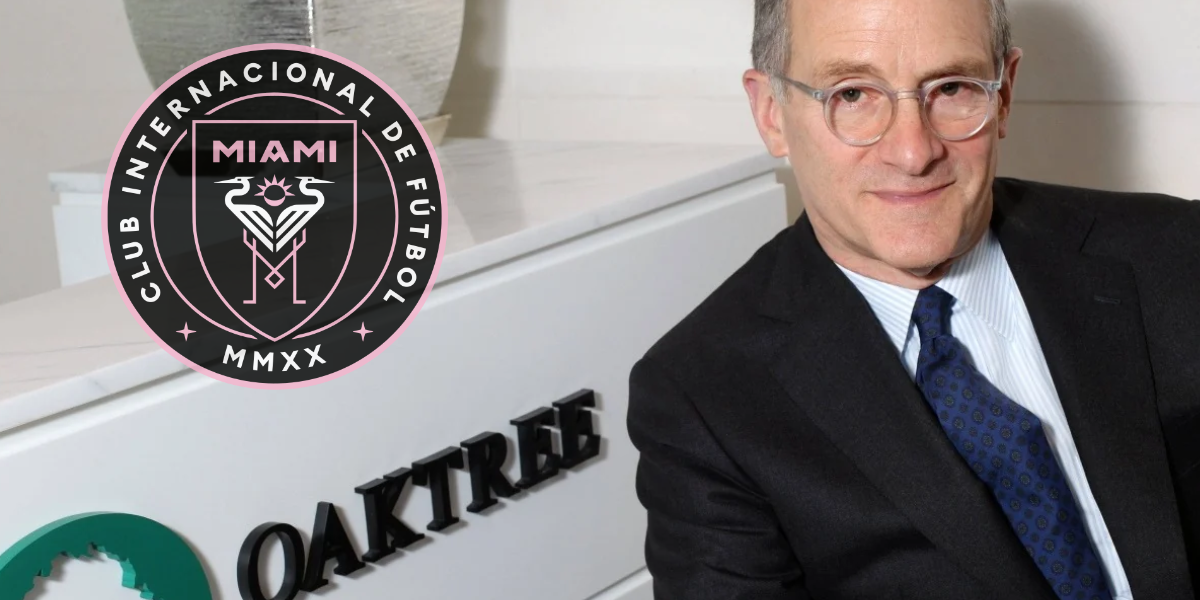
When Oaktree Capital Management took control of Inter Milan on 22 May 2024, the club was a case study in football financial distress. The previous owner, China’s Suning, had borrowed €275m from Oaktree in 2021 at roughly 12% interest. By the time the loan matured, the figure had ballooned to €395m, and a last-ditch attempt to refinance through PIMCO fell apart.
Two profit announcements later, that story looks very different.
Inter booked a net profit of €22.7m on revenue of €518m for 2025/26, the board confirmed on 24 September 2026. It is the second straight year in the black after a €35.4m profit on record revenue of €567m in 2024/25, which Inter described as the club’s first annual profit in 15 years.
From €140m losses to equity in the black
The scale of the turnaround is easier to see in context. According to a Football Benchmark Group analysis of Inter’s path to profit, operating revenue has climbed from €322m in 2021/22 to €546m in 2024/25, while the club swung from a €140m net loss in 2021/22 to profitability.
Read also: Xabi Alonso revives Chelsea interest in Barcelona star as €100m price tag emerges
Squad costs as a share of revenue, the single ratio UEFA now polices most closely, have fallen from 109% to 68% over that period. Net debt stands at €293m, down from €350m. Interest expense has roughly halved, with Inter’s own 2025/26 accounts showing a reduction in finance costs of about €19m, close to 50% year on year, following a refinancing completed late in the prior season.
Shareholders’ equity, negative by €12m a year earlier, is back in positive territory at €10.4m.
Oaktree’s clean-up of the balance sheet is the mechanical driver. The club repaid its senior secured bonds and replaced them with a long-term loan via a private placement, obtaining an investment-grade credit rating in the process.
Marotta: ‘The work accelerated with Oaktree’
Giuseppe Marotta, confirmed as president and chief executive after Oaktree’s arrival, told shareholders on 12 October 2026 that the new owners had sped up a process that had been under way for some time.
Read also: Alonso breaks silence on why Chelsea’s wonderkid Estevao is barely playing
“The work to put our finances on a sound footing accelerated further with the arrival of Oaktree as our new owners,” Marotta said at the shareholders’ meeting, as reported by Goal.
The sporting side has not collapsed under the fiscal discipline. Marotta told shareholders the club had secured a third domestic double in 2025/26, having reached the Champions League final the season before. Head coach Cristian Chivu, in charge since the summer of 2025, now oversees a squad whose recruitment has shifted toward younger players.
New commercial partnerships are helping fill the gap left by one-off European prize money. A 10-year global merchandising agreement with Fanatics took effect last season, contributing to a 7% increase in commercial revenue, and Chinese automotive brand BYD came on board as global automotive partner.
San Siro deal clears the city council
The piece Oaktree still needs for a full exit is a stadium Inter actually owns.
Read also: “Unstoppable Vini”: Dani Carvajal makes telling Vinicius Jr claim amid Real Madrid struggles
On 30 September 2025, after a nearly 12-hour overnight debate, Milan’s city council approved the sale of San Siro and its surrounding area to Inter and AC Milan for €197m, with 24 councillors in favor and 20 against. The clubs have hired Foster + Partners and Manica to design a replacement, intended to be ready for Euro 2032, which Italy will co-host with Turkey.
Marotta told shareholders the new venue “will also be a strategic platform enabling Inter to increase revenue and close the gap on Europe’s top clubs.”
A potential €1bn gain
Oaktree’s total exposure, the Football Benchmark Group estimates, sits at roughly €450m: the original €395m loan plus around €52m of fresh capital. Against that, the firm puts Inter’s enterprise value at €2.1bn as of December 2025, a 70% rise from €1.3bn in 2022, with estimated equity value by June 2026 of more than €1.8bn.
If those projections hold, Oaktree would stand to realise a paper gain of over €1bn should a sale be arranged on those terms. The firm has publicly framed its role as custodial rather than transactional, saying it is committed to the long-term success of the club.
Read also: Christian Horner makes F1 admission after £76m Red Bull exit
A sale decision is not expected before the stadium’s financing architecture is in place. Construction on the new San Siro is scheduled to begin in 2027.
Read also: Teenager who can’t drive yet breaks Luke Littler’s record